

DAS ABENTEUER BEGINNT

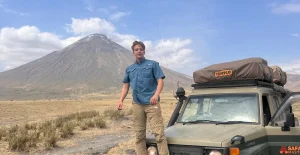
Reisender steht neben einem 4x4 mit Dachzelt unterhalb des Ol Doinyo Lengai

Sag uns, was du liebst, und wir werden dich inspirieren. Alle unsere Touren sind zu 100 % anpassbar. Bereit, deine Träume Wirklichkeit werden zu lassen? Lass uns reden.

Fordere ein Angebot an. Es ist kostenlos und

unverbindlich.

Gliederung

Erlebe die Große Gnu-Wanderung: Ein Serengeti- und Maasai-Mara-Abenteuer wartet

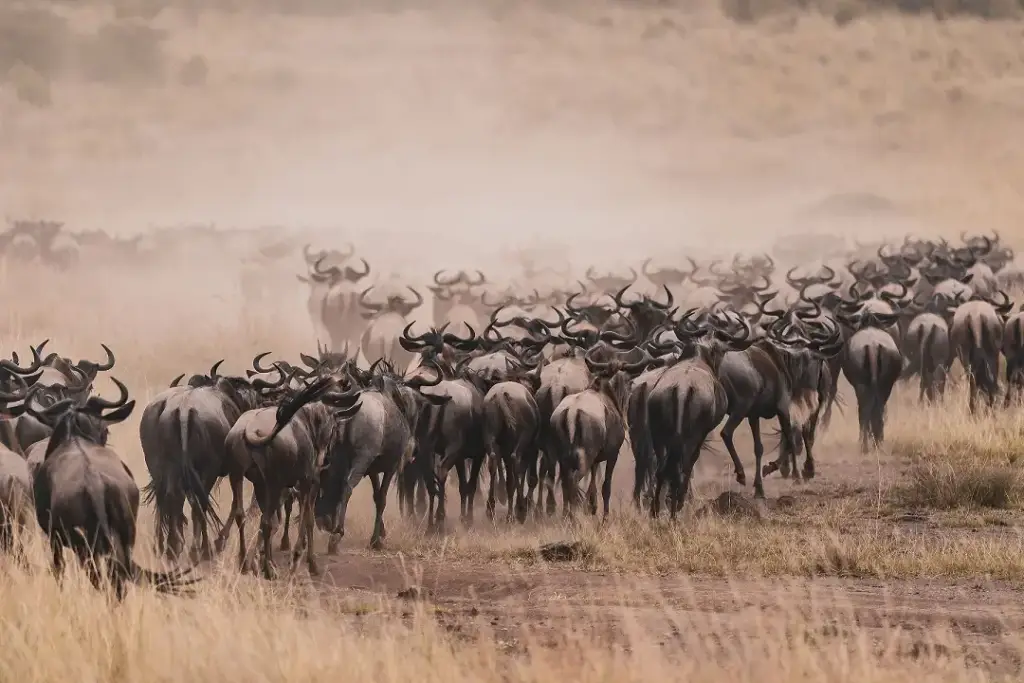
Eine Gnuherde zieht durch die Serengeti und zeigt die Große Migration in Richtung Maasai Mara.

Die Große Gnu-Wanderung ist eines der größten Wildtierereignisse der Welt und findet jedes Jahr in Ostafrika statt. Dabei ziehen über 1,5 Millionen Gnus zusammen mit Tausenden Zebras und Gazellen zwischen dem Serengeti-Nationalpark in Tansania und dem Maasai-Mara-Reservat in Kenia. Die Tiere wandern auf der Suche nach frischem Gras und Wasser den saisonalen Regenfällen hinterher.

Diese Migration findet aus natürlichen Überlebensgründen statt. In der Trockenzeit werden Nahrung und Wasser knapp, was die Herden zum Weiterziehen zwingt. Unterwegs begegnen sie Raubtieren wie Löwen, Geparden und Krokodilen – besonders bei gefährlichen Flussüberquerungen.

Die Überquerung des Mara-Flusses ist einer der intensivsten Momente der Migration: Tausende Tiere gehen ins Wasser und versuchen, sicher ans andere Ufer zu gelangen.

In diesem Guide erfährst du alles über die Große Migration: was, wann und wo – und wie sie Wildtiere, Tourismus und Naturschutz beeinflusst. Lass uns diese unglaubliche Reise im Detail erkunden.

Was ist die Große Gnu-Wanderung?

Die Große Migration ist die jährliche Wanderung von über 1,5 Millionen Gnus durch Tansania und Kenia. Die Tiere ziehen auf einer kreisförmigen Route durch den Serengeti-Nationalpark in Tansania und das Maasai-Mara-Reservat in Kenia, während sie nach frischem Gras und Wasser suchen. Es ist die größte Landmigration der Welt und eines der bekanntesten Wildtierereignisse.

Der Hauptgrund für diese Migration sind Nahrung und Überleben. Die Bewegung folgt dem Muster der saisonalen Regenfälle, durch die frisches Gras wächst. Gnus und andere Pflanzenfresser brauchen dieses Gras zum Überleben und ziehen deshalb weiter in Gebiete, in denen Nahrung verfügbar ist. Ihre Reise ist nicht zufällig, sondern folgt einem natürlichen Kreislauf.

Bei der Großen Migration geht es nicht nur um die Bewegung der Tiere. Sie spielt eine enorme Rolle für das Gleichgewicht des Ökosystems. Sie ist ein wesentlicher Bestandteil von Afrikas natürlichem System – ohne sie würden sich Wildtiere und Landschaften drastisch verändern.

Wann findet die Große Gnu-Migration statt?

Die Große Migration findet jedes Jahr statt und folgt dem Muster der saisonalen Regenfälle in Tansania und Kenia. Sie hat keinen festen Start- oder Endpunkt, weil es ein fortlaufender Bewegungskreislauf ist.

Trotzdem lässt sich die Reise je nach Jahreszeit und den konkreten Orten, an denen sich die Herden aufhalten, in verschiedene Phasen einteilen. Jede Phase spielt eine wichtige Rolle für das Überleben der Tiere.

Die Große Gnu-Migration im Januar, Februar und März: Kalbezeit in der Serengeti

    Zu Beginn des Jahres sammeln sich Gnus, Zebras und Gazellen in der südlichen Serengeti und im Ngorongoro-Schutzgebiet in Tansania. Dort bringen sie ihre Jungen zur Welt. Die weiten Graslandschaften bieten viel Platz und Nahrung für neugeborene Kälber – ideal für die Kalbezeit.

    In dieser Zeit werden innerhalb von zwei bis drei Wochen rund 300.000 Gnu-Kälber geboren. Die Neugeborenen lernen innerhalb von Minuten zu stehen und zu laufen und können schon nach wenigen Stunden rennen – das hilft ihnen, Raubtieren zu entkommen.

    Diese Saison zieht jedoch auch Löwen, Geparden, Hyänen und andere Raubtiere an, was sie zu einer gefährlichen Zeit für die Jungtiere macht. Viele Kälber überleben die ersten Wochen aufgrund von Beutegreifern nicht.

    Die Kalbezeit ist nicht nur für die Gnus wichtig, sondern für das gesamte Ökosystem. Raubtiere sind in dieser Zeit auf Nahrung angewiesen, und die hohe Zahl an Geburten hilft, das Gleichgewicht der Natur zu erhalten. Die üppigen Graslandschaften in dieser Region liefern genug Futter, damit die Muttertiere Milch produzieren können – und so das Überleben ihrer Jungen sichern.

    Wenn die Trockenzeit einsetzt, werden Nahrung und Wasser knapp. Im März beginnen die Herden, sich auf den Zug nach Norden vorzubereiten, auf der Suche nach besseren Weidegebieten. Damit beginnt die Migrationsreise: Sie lassen die Kalbegebiete hinter sich und starten ihren langen Marsch in Richtung zentrale und westliche Serengeti.

    Die Große Migration im April und Mai: Auf dem Weg zum Grumeti-Fluss

      Wenn der April beginnt, setzt die Trockenzeit ein, und das frische Gras in der südlichen Serengeti verschwindet allmählich. Gnus, Zebras und Gazellen spüren die Veränderung und ziehen nach Norden in Richtung zentrale und westliche Serengeti. Das ist eine wichtige Phase der Großen Migration, denn die Herden müssen lange Strecken zurücklegen, um bessere Weideflächen und Wasserquellen zu finden.

      Im April und Mai ist die Migration am langsamsten, da sich die Tiere über die zentrale Serengeti verteilen und vom verbleibenden Gras fressen. In diese Zeit fallen auch die langen Regenfälle, die die Landschaft wieder grün werden lassen. Der Regen macht den Boden jedoch auch schlammig, was die Herden ausbremsen und es schwächeren Tieren schwerer machen kann, mitzuhalten.

      Im Laufe des Mai setzen die Herden ihre Reise in Richtung Grumeti-Fluss in der westlichen Serengeti fort. Dieser Fluss ist das erste große Wasserhindernis der Migration. Er ist zwar nicht so gefährlich wie der Mara-Fluss, hat aber dennoch starke Strömungen und ist die Heimat großer Krokodile, die auf die überquerenden Herden lauern. Einige Tiere überleben die Überquerung nicht, doch die meisten schaffen es ans andere Ufer.

      Bis Ende Mai haben sich Gnus, Zebras und Gazellen nahe dem Grumeti-Fluss versammelt und bereiten sich auf die nächste Etappe ihrer Migration vor. Die Reise wird bald noch gefährlicher, wenn sie in Richtung nördliche Serengeti und zum tödlichen Mara-Fluss ziehen, wo der dramatischste und intensivste Teil der Migration stattfindet.

      Die Große Gnu-Migration im Juni: Erste große Flussüberquerung am Grumeti-Fluss

        Im Juni ist die Trockenzeit in vollem Gange, und die Gnus, Zebras und Gazellen ziehen weiter westwärts in Richtung Grumeti-Fluss in der Serengeti. This marks the first major river crossing in their journey.

        Im Gegensatz zum Mara-Fluss ist der Grumeti-Fluss breiter und langsamer, birgt aber dennoch erhebliche Gefahren. In diesen Gewässern leben große Nilkrokodile, die darauf warten, dass die wandernden Tiere den Fluss überqueren. Einige Gnus und Zebras werden leichte Beute, andere ertrinken in den starken Strömungen.

        Trotz dieser Risiken muss die Migration weitergehen. Die überlebenden Herden sammeln sich am anderen Ufer und ziehen weiter nach Norden zum Mara-Fluss, wo die bekannteste und gefährlichste Überquerung der Großen Migration stattfindet.

        In dieser Zeit beginnt auch die Paarungszeit der Gnus, in der die stärksten Männchen um die Vorherrschaft kämpfen.

        Die Große Migration im Juli, August und September: Mara-Flussüberquerung (ikonischste Phase)

          Von Juli bis September erreichen die Herden den Mara-Fluss, eines der schwierigsten Hindernisse der gesamten Migration. Das ist die dramatischste und ikonischste Phase der Großen Migration, denn Tausende Gnus und Zebras müssen die gefährlichen Gewässer überqueren, um die Maasai Mara in Kenia zu erreichen.

          Die Überquerung des Mara-Flusses ist extrem chaotisch und tödlich. Die Tiere sammeln sich in großer Zahl am Flussufer, zögern stunden- oder sogar tagelang, bevor sie springen. Sobald die erste Gruppe sich zur Überquerung entschließt, folgen die anderen – und es entsteht eine gewaltige Stampede.

          Starke Strömungen, steile Ufer und lauernde Krokodile machen diese Passage lebensgefährlich. Viele Tiere ertrinken, brechen sich die Beine oder werden Opfer von Raubtieren – doch die Überlebenden ziehen weiter.

          Das ist auch eine Hochsaison für die Jagd von Löwen, Leoparden und Hyänen, denn die erschöpften Tiere, die es hinüber schaffen, werden zu leichten Zielen. Wer die Überquerung überlebt, erreicht die Maasai Mara, findet frisches Gras und kann sich vor der Rückreise erholen.

          Die Große Migration im Oktober und November: Rückkehr nach Tansania

            Ab Oktober nimmt die Trockenzeit in Kenia zu, und die Graslandschaften der Maasai Mara beginnen auszutrocknen. Gnus, Zebras und Gazellen spüren die veränderten Bedingungen und treten die Rückreise nach Süden an. Die ersten Gruppen ziehen in Richtung Tansania, folgen ihren Spuren zurück über den Mara-Fluss und kehren in die Serengeti zurück.

            Im November setzen in der Serengeti die kurzen Regenfälle ein und schaffen üppige Weideflächen. Die Herden ziehen nach und nach in die östliche und zentrale Serengeti und nutzen das frische Gras. Doch auch diese Etappe bleibt gefährlich, denn Raubtiere wie Löwen, Geparden und Hyänen folgen den Herden weiterhin und jagen die schwächeren und langsameren Tiere.

            Die Große Migration im Dezember: Ankunft in der südlichen Serengeti

              Ab Dezember haben die meisten wandernden Tiere die südliche Serengeti und das Ngorongoro-Schutzgebiet erreicht. Hier beginnt der Kreislauf von vorn, denn die trächtigen Gnu-Weibchen bereiten sich auf die Kalbezeit vor, die im Januar startet. Das Land ist grün und fruchtbar und bietet genug Nahrung für die Tausenden neugeborenen Kälber, die bald zur Welt kommen.

              In dieser Phase werden die Herden langsamer und verteilen sich über die Graslandschaften, nutzen das frische Futter und ruhen sich aus, bevor der nächste Migrationszyklus beginnt. Raubtiere bleiben jedoch aktiv, weil sie wissen, dass die Kalbezeit bald reichlich leichte Beute bringen wird.

              Die Große Migration kommt nie wirklich zum Stillstand. Sie ist eine fortlaufende Überlebensreise, angetrieben vom Bedarf an Nahrung, Wasser und Sicherheit. Jede Phase trägt wesentlich dazu bei, das Gleichgewicht von Afrikas Ökosystem zu erhalten – und macht sie zu einem der wichtigsten und atemberaubendsten Wildtierereignisse der Welt.

              Wann sollte man reisen, um die Große Migration zu sehen?

              Die beste Zeit für einen Besuch der Großen Gnu-Wanderung hängt davon ab, welchen Teil der Migration du erleben möchtest. Jede Saison bietet ein anderes Erlebnis – von dramatischen Flussüberquerungen bis zu ruhigen Kalbezeiten. Reisende sollten die Bewegung der Herden, die Wetterbedingungen und das Safari-Erlebnis berücksichtigen, das sie suchen.

              • Von Juli bis September ist die Mara-Flussüberquerung die dramatischste Phase: Tausende Tiere treffen auf Krokodile, starke Strömungen und Raubtiere. Das ist Hochsaison – rechne also mit hohen Preisen und vielen Besuchern.
              • Von Januar bis März bietet die Kalbezeit in der südlichen Serengeti die Chance, 500.000 neugeborene Gnus und intensive Raubtier-Action zu sehen. Die Landschaft ist grün, und Wildtiere lassen sich leicht beobachten.
              • Für budgetfreundliche Safaris sind April und Mai ideal. Die Migration bewegt sich in Richtung Grumeti-Fluss, und weniger Touristen bedeuten niedrigere Preise. However, the rainy season can make travel challenging.

              Jede Saison bietet ein einzigartiges Erlebnis – deshalb ist die Große Migration das ganze Jahr über ein absolutes Muss.

              Wie planst du deine Great-Migration-Safari?

              Die Planung einer Great-Migration-Safari erfordert gutes Timing, den richtigen Ort und ein passendes Safari-Paket. Da die Migration das ganze Jahr über stattfindet, hängt die Entscheidung, wann und wohin du reist, davon ab, welchen Teil der Reise du erleben möchtest.

              1. Zuerst entscheidest du, wann die beste Reisezeit ist – je nachdem, was du sehen möchtest. Wenn du die Mara-Flussüberquerung erleben willst, plane Juli bis September in der nördlichen Serengeti oder der Maasai Mara. Für die Kalbezeit eignen sich Januar bis März in der südlichen Serengeti. Wenn du eine budgetfreundliche Reise mit weniger Touristen suchst, sind April bis Mai eine gute Option.
              2. Als Nächstes wählst du die passende Safari-Art. Du kannst eine Luxus-Lodge-Safari mit gehobenen Unterkünften und privaten Pirschfahrten buchen oder dich für eine Budget-Camping-Safari entscheiden, wenn du es abenteuerlicher magst. Es gibt auch mobile Zeltcamps, die der Migration eng folgen – für bestmögliche Tierbeobachtungen.
              3. Bei einem erfahrenen Safari-Anbieter zu buchen, ist wichtig. Achte auf Guides mit lokalem Know-how und auf Pakete, die zu deinem Budget und Reisestil passen. Viele Veranstalter bieten maßgeschneiderte Routen an – inklusive Pirschfahrten, Heißluftballon-Safaris und kulturellen Besuchen in Maasai-Dörfern.
              4. Zum Schluss bereitest du dich auf die Reise vor: Pack leichte Kleidung, ein Fernglas, eine Kamera und Insektenschutz ein. Da einige Gebiete abgelegen sein können, solltest du außerdem sicherstellen, dass du die richtigen Impfungen und eine Reiseversicherung hast. Eine gut geplante Safari ermöglicht dir, die Große Migration von ihrer besten Seite zu erleben.

              Fazit

              Die Große Migration ist eines der beeindruckendsten Wildtierereignisse der Welt. Egal, wann du reist: Du wirst riesige Herden von Gnus, Zebras und Gazellen sehen, die auf der Suche nach Nahrung und Wasser durch die Serengeti und die Maasai Mara ziehen. Wenn du deine Safari zur richtigen Zeit planst, erlebst du die besten Momente dieser unglaublichen Reise.

              FAQs

              In welchem Monat findet die Große Migration in Tansania statt?

              In Tansania findet die Migration das ganze Jahr über statt. Die besten Monate, um sie dort zu sehen, sind jedoch Januar bis März (Kalbezeit in der südlichen Serengeti) sowie Juni bis November (wenn die Herden durch die zentrale und nördliche Serengeti in Richtung Kenia ziehen).

              Wann ist die beste Zeit, um die Große Migration zu sehen?

              Die beste Zeit hängt davon ab, was du sehen möchtest. Für dramatische Flussüberquerungen reise von Juli bis September. Für Gnu-Babys und intensive Raubtier-Action reise von Januar bis März.

              Wo ist der beste Ort, um die Große Migration in Afrika zu sehen?

              Der Serengeti-Nationalpark in Tansania und das Maasai-Mara-Nationalreservat in Kenia sind die besten Orte, um die Migration zu sehen. Diese Regionen bieten hervorragende Safari-Lodges und Pirschfahrten, um die Bewegung der Herden zu erleben.

              Wer zieht während der Großen Migration?

              Über 1,5 Millionen Gnus ziehen zusammen mit Zebras, Gazellen und anderen Tieren durch die Serengeti und die Maasai Mara auf der Suche nach frischen Weideflächen. Raubtiere wie Löwen, Geparden und Krokodile folgen ihnen – das macht die Reise noch intensiver.

              Über den Autor
              Bild von George Joseph
              George Joseph

              Erfahrener Autor und Bergsteiger mit Schwerpunkt auf Kilimandscharo und Tansania-Safaris. Als CEO von Kilidove Tours verbinde ich Abenteuer aus erster Hand mit fundiertem Wissen, um inspirierende Inhalte über Bergtrekking und Wildtier-Erlebnisse in ganz Tansania zu erstellen.

              Entdecke Tansania – wo die Wildnis lebendig wird

              Erlebe eine aufregende Tansania-Safari mit erfahrenen Guides von Kilidove Tours. Sieh atemberaubende Wildtiere, beeindruckende Landschaften und unvergessliche Abenteuer. Buche deine Safari noch heute und entdecke Afrika wie nie zuvor!

              Plane dein nächstes Safari-Abenteuer mit Kilidove Tours

              Posted on Tripadvisor Tripadvisor
              saschastoltenow profile picture
              saschastoltenow
              Tripadvisor star 1Tripadvisor star 2Tripadvisor star 3Tripadvisor star 4Tripadvisor star 5Verified
              A life-time experience We were on a family trip to Tansania and through a recommendation for a Safari operator we got in contact with Kilidove. And what can I say: Right from the moment Sam, our guide for the first week, picked us up at Kilimanjaro Airport, we were complety immersed. And yes, we were tourists, but never really feeled like, but more as guests, with Sam beeing the perfect host - a true lover of the animals and nature, an excellent driver and very attentive and open to share his experiences.
              Posted on Tripadvisor Tripadvisor
              Jillian D profile picture
              Jillian D
              Tripadvisor star 1Tripadvisor star 2Tripadvisor star 3Tripadvisor star 4Tripadvisor star 5Verified
              Incredible people! Trip of a lifetime! Kilidove is incredible!! We did the 6 day machame route on Kilimanjaro followed by a 4 day safari followed by 4 days in Zanzibar. The accommodations were amazing, the people were even better and we are both vegan and gluten free and they were able to accommodate (even on the mountain while camping). I cannot say enough good things about this company!! For the trek up Kili our chief guide was Colman and he was so kind, funny, and caring. Because of him we both had a successful and pleasurable experience summiting. He is an excellent guide! For our safari we had Jackson and we saw the big 5 plus every other animal you could think of. He was an excellent safari guide. We had one small hiccup on the trip in Zanzibar with a city tour that got cut a bit short. Notified the company and they were extremely apologetic, comped our dinner for the next 3 nights (which was completely unnecessary but much appreciated) and given a new tour guide for the next day. The trip then ran flawlessly. They most definitely made it right! They are amazing. I recommend kilidove to anyone and everyone for all your Africa adventures!!
              Posted on Tripadvisor Tripadvisor
              san profile picture
              san
              Tripadvisor star 1Tripadvisor star 2Tripadvisor star 3Tripadvisor star 4Tripadvisor star 5Verified
              Best safari tour ever! We booked our honey moon with Kilidove and it was the best experience ever!We were super lucky to get Bony as our guide and he couldn’t have been better!!The overall experience was great, they care about sustainability and our guide was super respectful to wilde life!! 10/10 experience.Everything was well organized (transport, hotels, foods, itinerary) we didn’t have to worry about anything… only enjoying!
              Posted on Tripadvisor Tripadvisor
              mormon profile picture
              mormon
              Tripadvisor star 1Tripadvisor star 2Tripadvisor star 3Tripadvisor star 4Tripadvisor star 5Verified
              Perfect job, and very trustful company to climb Kilimanjaro in a 6 people group Activity: climbing Kilimanjaro.We climbed Kilimanjaro in 7 days by the Machame road.Group of 6 people, with 3 guides 1 chef, 1 waiter and 18 porters (3/pax), which is the norm. Everything went well and we succeeded in our quest to the summit. The guides and all the Tanzanian people with us have been amazing, helpful, and nice ... Considering the lack of comfort and the difficulty of the ascension, we consider that they did a perfect job with the cooperation and the advice. Asante for everything you made for us, to make the dream coming true!!
              Posted on Tripadvisor Tripadvisor
              aborow profile picture
              aborow
              Tripadvisor star 1Tripadvisor star 2Tripadvisor star 3Tripadvisor star 4Tripadvisor star 5Verified
              Mr. Bonny at Kilidove is Amazing! We had Mr. Bonny from Kilidove pick us up from our Arusha hotel and serve as a private guide for 3 nights in the Seregenti, and our return trip back to Arusha. Mr. Bonny was an incredible guide! He was so knowledgable about all the animals and everything we saw on our safari. It was clear how much he loved the animals and at home he was in the Serengeti, having grown up right outside the park. He was able to spot animals so far in the distance, and find the elusive leopard in the tree that no one else could find. Mr. Bonny was engaging, kind and an absolute pleasure to spend time with. It truly was sad to say goodbye to him. I have to also note that Mr. Bonny was a very safe driver. When driving to/from Arusha, we were stunned by the number of safari vehicles speeding by us on the unsafe and rocky dirt roads. Driving in Tanzania is not for the faint of heart, as we witnessed a few accidents, including some cows being hit by a public bus. We were so grateful to him and would highly recommend!
              Posted on Tripadvisor Tripadvisor
              Franziska profile picture
              Franziska
              Tripadvisor star 1Tripadvisor star 2Tripadvisor star 3Tripadvisor star 4Tripadvisor star 5Verified
              Best safari experience! We spent our honeymoon in Tanzania for a 9 day safari trip in Tarangire, Lake Manyara, Serengeti and Ngorongoro national parks and it probably was the most incredible experience we had so far. The booking process was really comfortable and easy, Lisa answered all of our questions quickly and made the safari fit to all our wishes (not leaving the set budget out of mind).We especially want to thank our guide, Sam, for the amazing trip that was mostly his merit. He went above and beyond to ensure we got the most out of our trip. He had a profunde knowledge of all the locations and the wildlife and knew where the best spots for watching wildlife were. No wishes remained unfulfilled. Besides that, Sam was incredibly nice and a great (and hilarious) company during the long car rides. Everybody getting to do a safari trip with him can call themselves lucky!Thank you so much to the whole team, asante sana!
              Posted on Tripadvisor Tripadvisor
              PaulU561 profile picture
              PaulU561
              Tripadvisor star 1Tripadvisor star 2Tripadvisor star 3Tripadvisor star 4Tripadvisor star 5Verified
              Superb in every way. Highly recommended and without hesitation! Choose Kilidove for the experience of a lifetime! We contacted Kilidove after an online search to find a company that could plan a month-long itinerary including Rwanda, Uganda, Kenya and Tanzania ending in Zanzibar to celebrate my 60th birthday. We received back a professionally presented proposal which we were delighted to find was a privately guided tour. Our only essential requirement was to see the mountain gorillas in Rwanda, but the proposal was comprehensive and varied including safaris as well as cultural experiences. We had to book our own international flights, apply for necessary visas and get certain vaccinations ourselves, but everything else was taken care of without a single hiccup. We stayed in a variety of accommodations from 5-star hotels and lodges to tented camps and they all enhanced our adventure in different ways. The main guides and drivers, Duncan, George and Boni were all professional, dedicated and enthusiastic. Our stand out experiences were obviously meeting the gorillas high up in the mountain in Rwanda, seeing the elusive leopard up a tree in Kenya, spending 90 minutes alone with a lion family complete with four cubs by a water hole in the Serengeti and two hours hunting with the Hadzabe tribe in Tanzania. There were many more, the cheetahs close up in the Maasai Mara and the hot air balloon ride, the many different bird species including huge flocks of flamingos and pelicans, the Karen Blixen Museum in Nairobi, the Genocide Memorial in Kigali, the cycling tour of Mto Wa Mbu, I could write a book! It was a very active holiday so it was nice to just chill out in Zanzibar for five days at the end. Everything was organised by the incredible Lisa Adams who was there to help with any questions via WhatsApp or email throughout the planning process and after we had arrived in East Africa. We were told there are 300+ safari companies in Arusha where she is based and for sure, without hesitation, we would highly recommend Kilidove to anyone. They were superb in every way. As well as that I have now clocked up my 87th country worldwide and my 13th African country. Thank you Kilidove for everything!
              Posted on Tripadvisor Tripadvisor
              Louise G profile picture
              Louise G
              Tripadvisor star 1Tripadvisor star 2Tripadvisor star 3Tripadvisor star 4Tripadvisor star 5Verified
              A memorable outstanding safari to Kenya and Tanzania , Hakuna Matata We just came back from a wonderful , well planned and organized safari to Kenya and Tanzania for 12 days and with an additional 5 days in Zanzibar from October 6th to October 23rd 2023. We really want to thank Lisa Adams who helped us plan and coordinate this memorable, private safari and leisure time in these countries. We had marvelous, respectful , reliable and so knowledgeable guides and drivers. First, Kelvin Vinkar from Dove Africa, the sister company in Kenya, was on time at the airport and despite the fact that we missed our connection with Qatar airlines, everything turned out quite well with the airlines personnel and we were on time for our schedule to go to our first park Amboseli and to Kibo safari lodge for two nignts. Perfect, we had game drives on both days that were unbelievable with the Kilimandjaro that was so clear. We were able to see so many species of animals such as girafes, elephants, zebras, Thomson's gazelles ,antilopes, impalas, waterbucks, cheetahs and lions with all their beauty and living environment. The Kibo lodge was very comfortable with beautiful views of the Kilimanjaro. We continued our itinary to lake Nakuru, 9 hours of driving and stopping at the incredible Great Rift valley. We were so happy to visit the park as we saw 2 rhinoceros, mother and baby , we were at our 4 th big 5 already . We were a bit late to arrive at the Ziwa Bush Lodge that seemed to be very nice, so quiet and peaceful, the staff accomodated us so nicely for one night, The next morning we left for the Maassai Mara reserve and Olengoti eco lodge at Narok at the Talek river . What a reception on arrival we got by all the staff, an incredible 2 days , having breakfast and dinner with the hippopotams and crocrodiles and beautiful and memorable game drive to the awesome Maassai Mara reserve , The plains are so beautiful and the animals are incredible. We were able to visit a Maassai village near the camp, memorable time with these beautiful people and children. We learned so much of their culture and habits. Kelvin with his calm and patience drove us safely for 5 hours through massai mara reserve to the border of Tanzania. We didn't have trouble to pass the border and customs and Bonnie , Boniphace Sospiter our incredible guide for Tanzania was already waiting for us for the take over. We were heading to the Serengeti park north side to Gnu migration camp. We were the only visitors , what a service we had . With a little of rain but a real blessing as David said. Marvelous meals and attention from the staff, We already start with a game drive that was so wonderful in Serengeti parks with all the beautiful Gnus and Zebras and the next morning a leopard our 5th big five that was missing so far, Bonnie was so knowledgeable, sensitive , very helpful and very accomodating to all our needs and ensure we see animals in all their behaviors of calm or hunting. He ensure in every camp that we always had our lunch to all game drives on long days. We loved so much all the Mawe lodges that we visit along our itinary in Serengeti and Norongoro crater, Karatu and Tarangire national parks. All the teams and personel of the Mawe lodges are so welcoming, so nice and so handsome . We loved everyone we met. Bonnie drove us to the airport after 7 days of intense safari games but so memorable in the savanah . We flew for internal flight to Zanzibar with flight link and other driver Luqman was waiting for us, and drove us to Tembo hotel, in Stonetown, so beautiful and confortable on the beach with a wonderful view of the port. The next morning we were able to have a visit of stone town that was very interesting to learn the history and culture, the big market. We could visit the Freddy Mercury museum. After we left for Pongwe beach hotel for 4 days that concluded in peace and rest at the marvelous beach and resort with excellent cuisine. We will always remember this wonderful trip of East Africa and Zanzibar and we are so happy to have chosen Kilidove safari and tours for planning the trip as everything went so well , so safely and so well organized and the choices of the lodge or camp were so confortable and we ate everywhere so well with an outstanding service with amazing staff. Thank you to every one we met in this incredible journey and you will always remain in our hearts. Hakuna Matata. Louise and Serge from Montréal, Québec, Canada.
              Posted on Tripadvisor Tripadvisor
              Flyer46143703659 profile picture
              Flyer46143703659
              Tripadvisor star 1Tripadvisor star 2Tripadvisor star 3Tripadvisor star 4Tripadvisor star 5Verified
              "Bucket List Brilliance" We 6 Seasoned Safari Enthusiasts were blown away by The Serengeti Experience. The best decision was adopting Kilidove Tours to hang it all together. Lisa, your Admin. Management was perfect. (even to the extent of organizing a Birthday Party Cake in the Bush). Then there was our Driver/Guide and Friend Bonny, You are simply "The Best".Asante-sana. Derek Fay (Cape Town).
              Posted on Tripadvisor Tripadvisor
              KatieCT045 profile picture
              KatieCT045
              Tripadvisor star 1Tripadvisor star 2Tripadvisor star 3Tripadvisor star 4Tripadvisor star 5Verified
              5 Stars isn't high enough for Kilidove Tours My husband and I have recently returned from a 15-day private adventure designed and carried out by Kilidove Tours and Safaris. From start to finish this trip was planned and executed flawlessly thanks to the amazing team at Kilidove. On a scale from one to ten, they deserve a fifteen! I could write pages about our experience, but I will try to hit the highlights. From the first contact a year before our trip, Lisa Adams (Kilidove’s operations manager) responded to every question in a series of emails ranging from possible itineraries to vehicle maintenance. The result was the perfect trip that addressed every wish and concern on our list- safari start day in case of travel delays, safari locations, cultural experiences, snorkeling, and a beach retreat. Our safari guide mentioned several times how impressed he was with our personalized itinerary.Eleven months passed between the date we booked our trip and our departure for Tanzania. During that time whenever a question came up, I would send an email off to Kilidove and Lisa would respond immediately. We received guidance on packing lists, luggage limits, visa requirements, and availability of health services. All this information allowed us to be well prepared for our Tanzanian adventure.Once in Tanzania, each person we encountered did everything they could to make us feel at home and worked tirelessly to ensure we had the best experience possible. All the accommodations were clean and comfortable ranging from the Mawe tent lodges to the Zanzibar beach resort. Meals were tailored to an American/European pallet and the greatest care was taken to provide safe water and food in order to prevent any illness. Our drivers and safari guide were the most amazing people. The range of skills they possessed took us by surprise. They are professional drivers, multi-linguists, cultural ambassadors, and wildlife experts. Each one asked us what our wishes and desires were for our trip and work tirelessly to make sure we didn’t leave Tanzania disappointed. Above all they were warm and friendly people with whom we shared many laughs and special experiences. We are forever grateful to Johnson our Arusha guide, Luqman our Zanzibar guide, Habib our Stone Town guide and most importantly Samson our safari guide who showed us more of Tanzania then we could ever have imagined. Thank you all for your hospitality and kindness.Finally, I want to thank Lisa and everyone on the Kilidove team that made our dream vacation a reality. I know during our fifteen-day adventure she kept tabs on us, either through direct contact with me or one of our guides. She was always one step ahead of us making sure that transitions from one part of the trip to the next ran smoothly. I hope that I can return to Tanzania one day and I look forward to that time when we can work together once again.