Game drives are usually the main part of a safari, but children do not need to spend every available hour in a vehicle. Family safari activities in Tanzania can also include painting with a local artist, cycling through Mto wa Mbu, joining a guided cultural visit, or keeping a wildlife journal between outings.
Choose a few activities that fit your children’s interests and the places you are already visiting. A child who enjoys drawing may prefer an art session to another drive. An older child who likes cycling may want time outside the vehicle. Some activities need advance arrangements, and walking, canoeing, and children’s programs have their own participation rules.
This guide covers things to do on safari with kids on Tanzania’s northern circuit, plus two options for a Zanzibar extension. For routes, accommodation, and trip arrangements, compare our Tanzania family safari options.
Choose activities that fit your safari route
The mainland activities below can fit different parts of a northern Tanzania safari. Stone Town and beach time require a separate Zanzibar stay. You do not need to include all ten in one trip.
| Activity | Where it fits | Check before arranging it |
|---|---|---|
| Wildlife spotting | Scheduled game drives | Drive length, breaks, and your children’s interests |
| A wildlife journal | Between drives or at camp | A supervised place to sit and observe |
| A hosted Maasai visit | An arranged visit along your route | Host availability, visit format, and photography permission |
| An art or craft workshop | Mto wa Mbu or Arusha | Whether the visit includes a demonstration or a hands-on session |
| Guided cycling | Mto wa Mbu | Bike size, helmets, riding ability, and route conditions |
| A local meal or food visit | A planned stop along your route | Dietary needs, ingredients, and the setting |
| A guided park walk | Arusha National Park | Minimum age, ranger arrangements, and walking requirements |
| Camp activities | Your chosen lodge or camp | The actual program, eligible ages, and supervision |
| A short Stone Town walk | Zanzibar extension | Walking distance, shade, and rest stops |
| Beach or pool time | Zanzibar extension | Water conditions, supervision, and the property’s facilities |
1. Make wildlife spotting part of the game drive
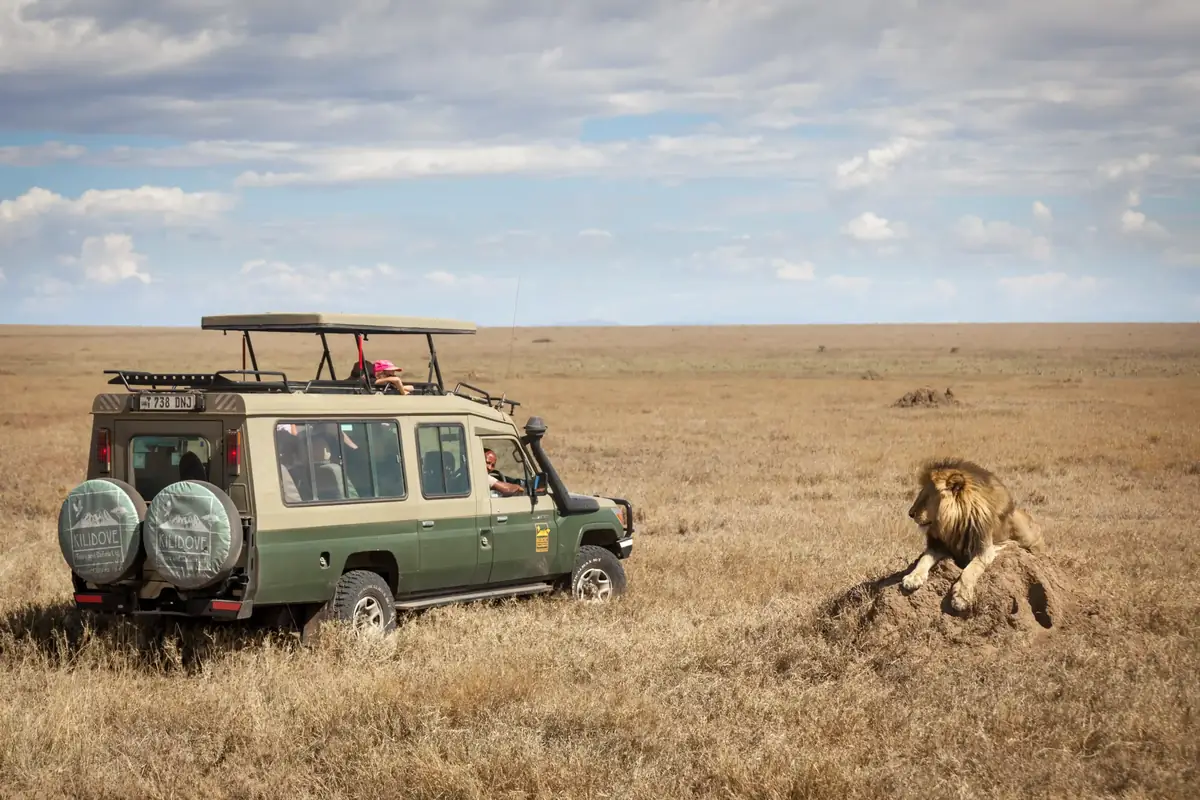
Give children something specific to look for before the drive starts. It could be three different birds, an animal with horns, or a giraffe feeding. A short list is easier to follow than trying to find every animal in a field guide.
Ask your safari guide to explain what an animal is doing. Watching an elephant use its trunk or a bird build a nest gives children something to discuss, even when there are no predators in sight. Older children can compare tracks or use a camera from their seat.
The Serengeti and Tarangire give this activity a setting within a safari route. Sightings depend on the place, season, and conditions. Avoid making a particular animal the test of whether the outing was worthwhile.
Keep the game quiet, stay inside the vehicle unless your guide allows you to leave at an approved stop, and let children stop playing when they lose interest.
2. Keep a wildlife journal between outings

A small notebook gives children a way to record what they actually noticed. Younger children can draw an animal or choose a favorite sighting. Older children can add its name, behavior, and where they saw it.
Try a simple prompt: “What did this animal do that surprised you?” Another is to draw the same animal from memory, then check the drawing against a photograph. The point is observation, rather than a school exercise during a holiday.
Use a supervised seating area at camp for this activity. Listening for birds or comparing photographs does not require a walk into the bush. Leave feathers, plants, stones, and other natural objects where they are, and follow the camp’s rules about moving around the property.
A pencil and notebook are enough. Binoculars or a camera can add interest if your child already enjoys using them.
3. Arrange a hosted Maasai cultural visit
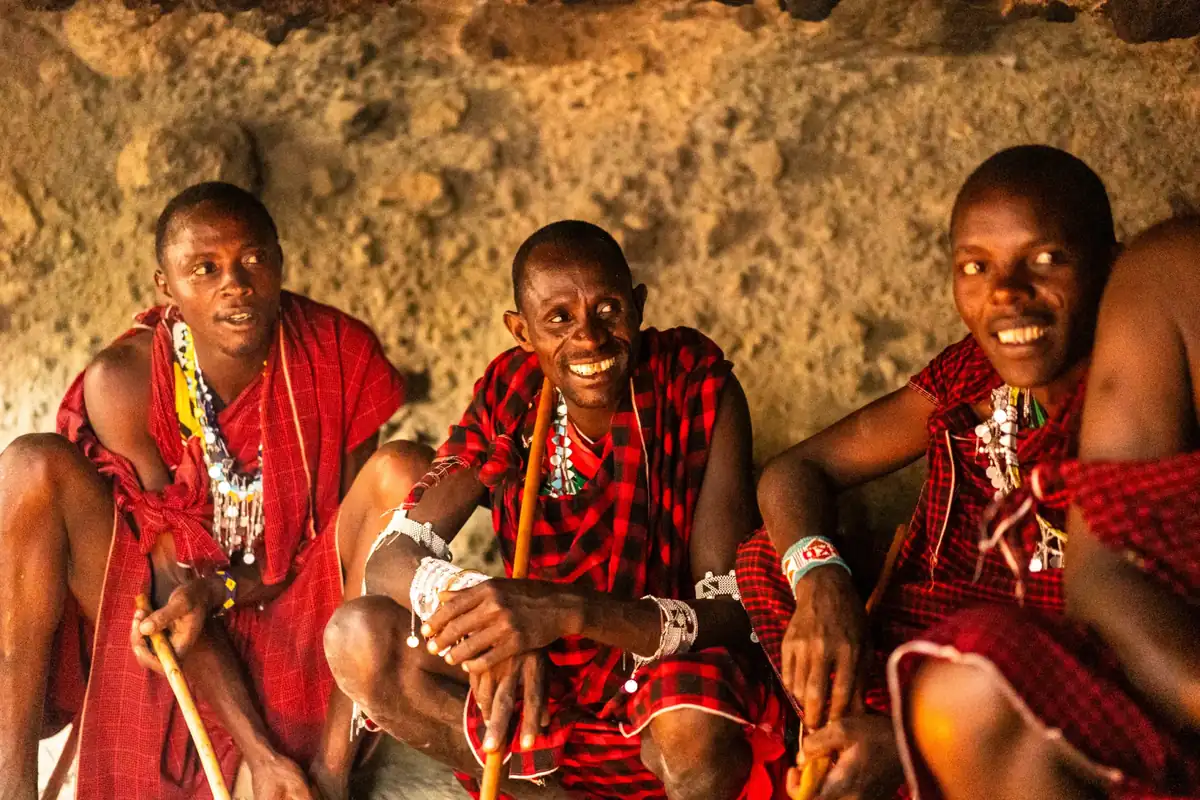
A cultural visit can give children time to ask about daily life, livestock, homes, and language. Arrange it with hosts who welcome visitors, rather than treating a roadside settlement as a place to enter without an invitation.
Before booking, ask what the visit includes and how long your family will spend there. Some children prefer a short conversation or a demonstration to a longer group presentation. A guide who can explain questions in both directions helps the exchange make sense.
Ask permission before taking photographs, including photographs of children. Follow the hosts’ guidance about entering homes and buying crafts. If your family wants to support a community project, discuss an established arrangement in advance instead of handing out gifts during the visit.
Explain to your children that you are visiting someone’s home and community. Give the visit the same courtesy you would expect from guests in your own neighborhood.
4. Meet local artists and try a craft workshop
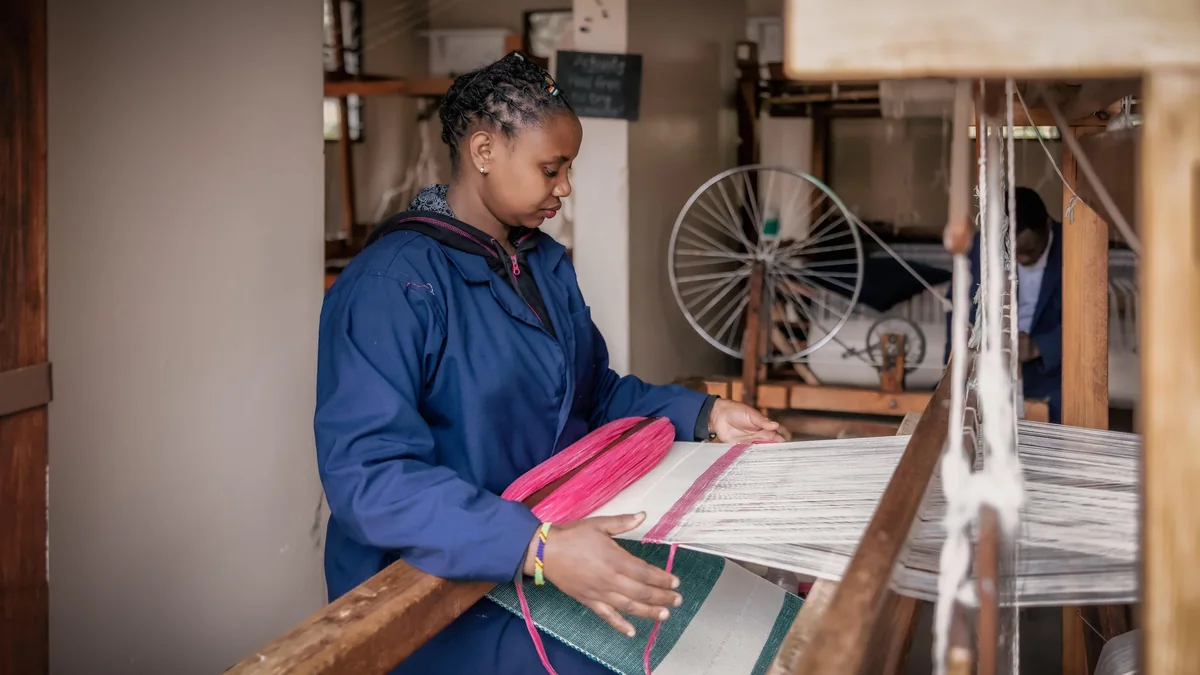
An art or craft visit suits children who would rather see how something is made than spend another afternoon sightseeing. In Mto wa Mbu, ask about a Tinga Tinga painting workshop with a local artist. In Arusha, Shanga has an open workshop with weaving, glasswork, painting, and other crafts. Choose the stop that fits your route.
Confirm whether the booking is a demonstration or a hands-on session. Watching a craftsperson at work is different from a workshop where each child has materials and time to make something. Ask which activities are available for your children before booking.
Let the artist explain the style and the materials. Tinga Tinga painting and Maasai cultural traditions should not be presented as the same thing. Children can ask how the artist chooses an animal, builds a pattern, or adds color to a background.
Check whether the finished work will be dry enough to pack and whether protective packaging is available. This is also worth considering before scheduling a workshop just before a transfer.
5. Take a guided cycling outing in Mto wa Mbu
Cycling offers a change from sitting in a safari vehicle. Guided outings in Mto wa Mbu can pass through village areas and farmland, including banana and rice-growing areas. The exact route should match your family’s riding ability.
Ask about children’s bike sizes, helmets, the surface, traffic, and places to stop. A child who rides confidently on a paved path at home may find an uneven track more demanding. Heat and the distance from your accommodation also affect the plan.
Agree on a shorter route if that is what your family needs. A guided village walk may be a better alternative when suitable bikes are unavailable or a child is not comfortable riding.
Stay with your guide, ask before photographing residents, and do not enter farms or homes without permission. This is an outing through a place where people live and work.
6. Share a meal and explore local food
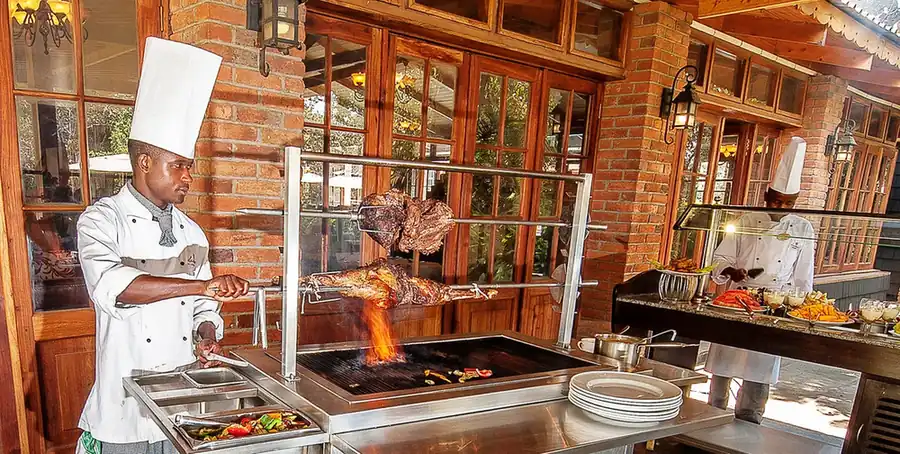
A meal can be a useful break between more active outings. Consider a hosted lunch in Mto wa Mbu or a restaurant stop along your route. Children can ask about familiar ingredients, try a dish in a small portion, and hear how it is prepared.
Tell the organizer about allergies, dietary requirements, and foods your children can comfortably eat before the visit. Confirm what is being served and whether an alternative is available. Do not assume that a meal described as suitable for families meets every dietary need.
If your children want to cook, ask whether a participatory session is available. A local lunch, a cooking demonstration, and a hands-on cooking class are different bookings. Check which one you are arranging and which tasks children may take part in.
You can consider a meal alongside an art session or village outing, but leave room for a rest. Filling every gap between transfers with another activity can make the day harder for everyone.
7. Consider a guided walk in Arusha National Park
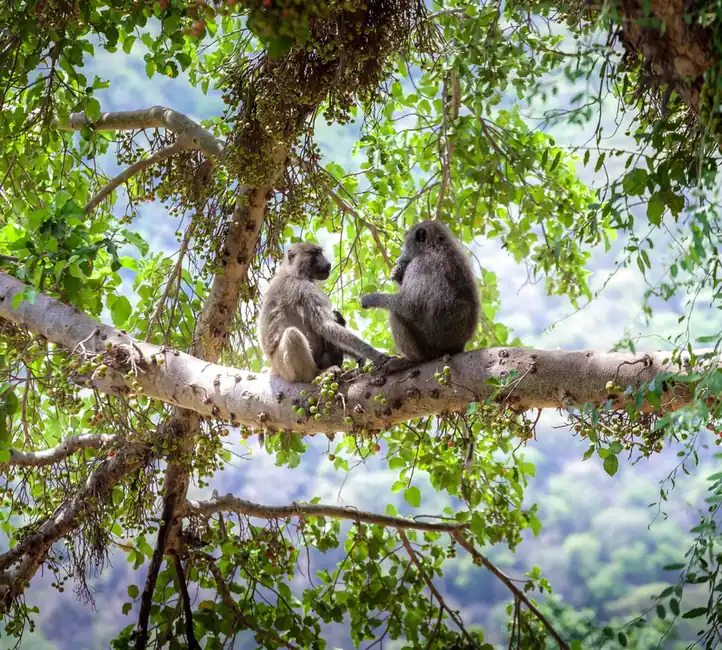
A park walk offers a different way to observe the surroundings. It also has different requirements from a game drive. Check whether your children meet the current minimum age and other participation rules before including it in your trip.
Tanzania National Parks lists walking as an activity in Arusha National Park, with arrangements made through the park gates. Confirm the permitted route, ranger escort, expected terrain, and duration through your trip organizer. A park walk should never be treated as an independent family stroll.
It may suit older children who can follow instructions and stay attentive throughout the outing. If the walk is unsuitable, keep a game drive or another activity that matches the family’s needs.
Canoeing is a separate option. The park lists canoeing by prior arrangement on Small Momella Lake. Ask separately about eligible ages, flotation equipment, supervision, and operating conditions. Permission to join a walk does not establish eligibility for canoeing.
8. Choose a camp activity that is actually available
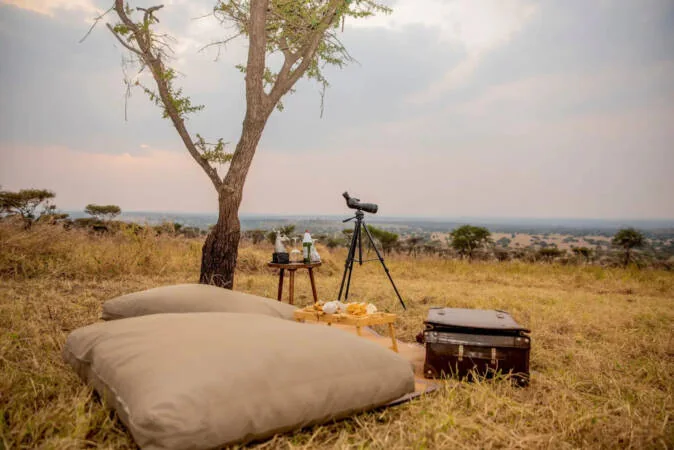
Some lodges offer organized children’s activities, while others provide a place to rest between drives. Check the specific property before promising a junior ranger session, craft workshop, or children’s club.
For example, Four Seasons Safari Lodge Serengeti publishes a children’s program linked to its Discovery Centre. Its family facilities include arts and crafts and other indoor activities. This is a property-specific example, rather than a service available at every safari camp.
Ask about eligible ages, the current schedule, and whether an adult must attend. A children’s activity is not automatically a childcare service. Confirm any babysitting arrangements separately.
If your camp has no organized program, a card game, drawing session, or time looking through the day’s photographs may be enough. Use the areas designated by the staff and follow the property’s supervision rules.
9. Keep a Stone Town walk short and focused
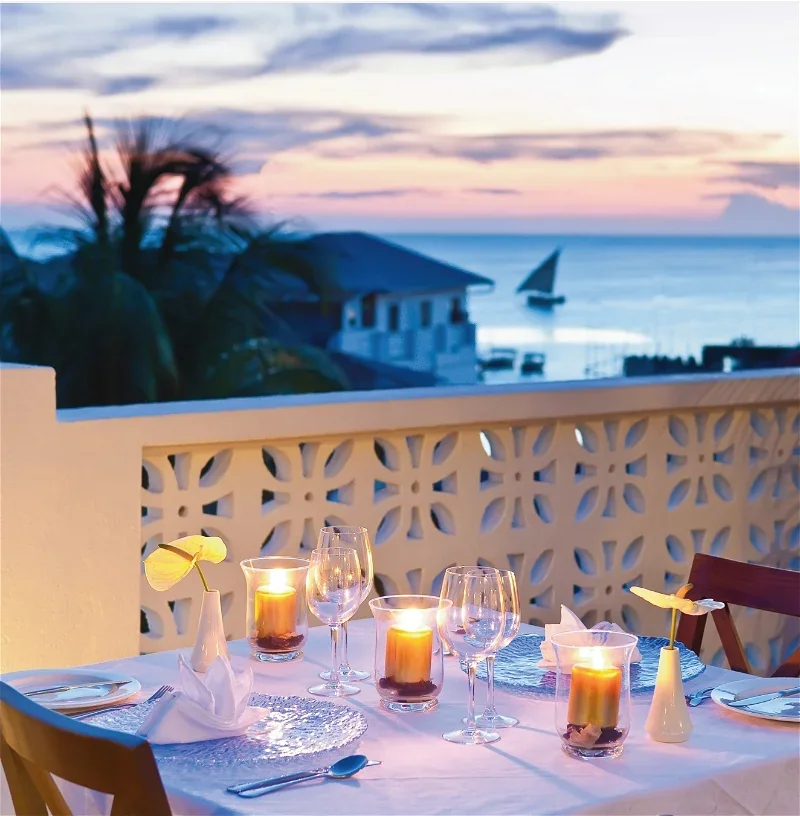
If your trip continues to Zanzibar, choose a few stops in Stone Town instead of expecting children to follow a long history tour. Ask your guide to focus on subjects they enjoy, such as carved doors, market ingredients, or words they have learned in Swahili.
Agree on the walking distance, rest stops, and where the outing will finish. Allow for heat, narrow streets, and your children’s energy that day. A shorter visit with time to ask questions can work better than a checklist of landmarks.
Check photography rules at each stop and ask permission before photographing people. If a child needs a break, change the plan rather than trying to complete every stop.
Our Zanzibar island guide covers the wider destination. Stone Town is an optional island extension, rather than an activity to add between mainland game drives.
10. Leave time for the beach or pool in Zanzibar
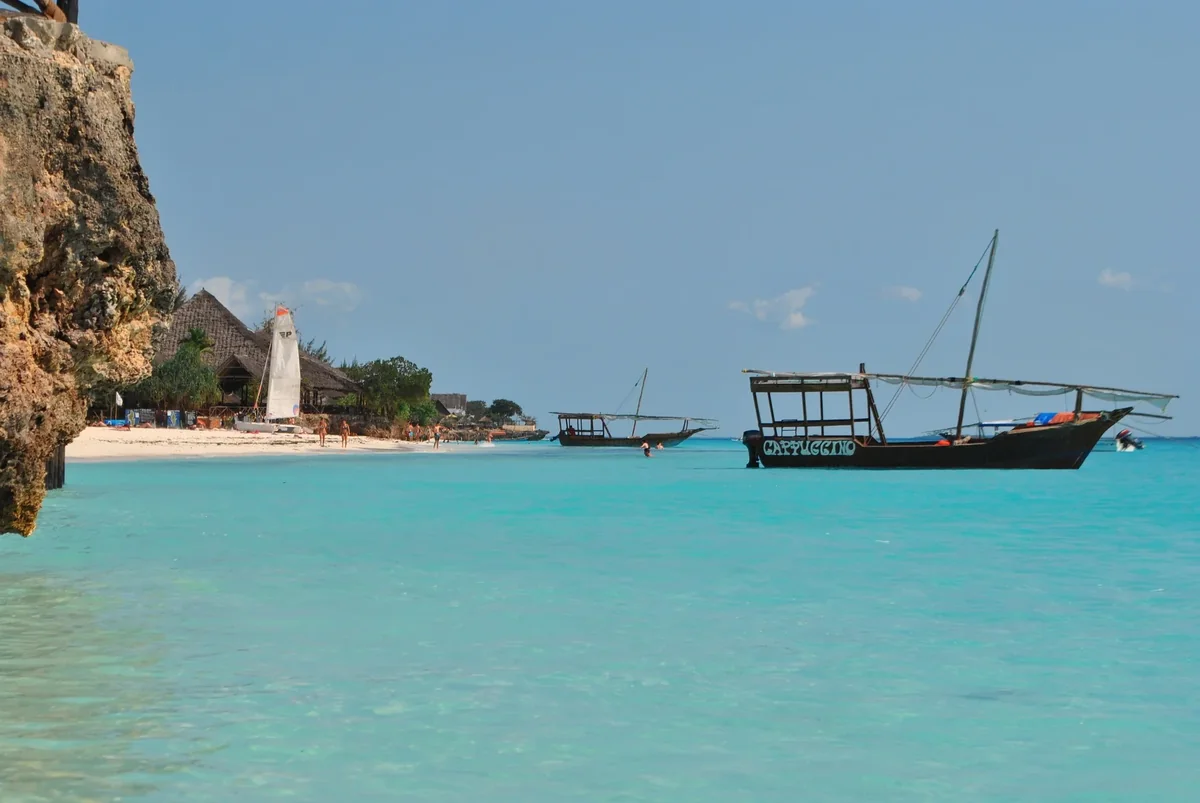
After several safari days, children may want time with no scheduled outing. A Zanzibar stay can provide that break, whether your family prefers playing on the beach or spending time by the pool.
Check the actual beach conditions and the accommodation’s facilities. Tides, sea conditions, access, and supervision needs vary. A beach property should not be described as suitable for a particular child based only on its photographs.
Treat snorkeling, boat trips, and other water activities as separate decisions. Ask about the provider’s age rules, equipment, sea conditions, and what happens if an outing cannot operate. Swimming ability alone does not answer every suitability question.
There is no need to book a water activity every day. Keep some time free so your family can decide how much it wants to do after the safari.
How to keep children interested without overbooking
Choose one or two activities your children are likely to enjoy, then see where they fit along the route. There is little value in adding a long detour for a workshop when a similar activity is available near a place you already plan to stay.
For younger children, favor activities that can end easily when they become tired. For children who enjoy making things, consider painting or a journal. Confident cyclists may prefer a village ride. Older children may be interested in photography or a guided walk, provided they meet the relevant rules.
Keep an alternative for activities affected by weather, equipment, or availability. A quiet afternoon at camp is a reasonable choice after a tiring transfer. Share your children’s interests with your guide, rather than measuring the day only by the number of stops.
What to confirm before booking an extra activity
Send your children’s ages and any relevant needs when you enquire. For each activity, confirm:
- The minimum age and any other participation requirements.
- The start point, transfer time, terrain, and expected duration.
- Who provides the activity and who supervises the children.
- Which equipment, materials, meals, or transfers are included.
- Whether the price is separate from your safari arrangements.
- What happens if weather, availability, or conditions change the plan.
For a balloon safari, request the flight provider’s current participation rules before adding it for children. Do not assume that eligibility for a game drive also applies to a flight, walk, or water activity.
Questions about family safari activities
What can children do between game drives?
They can draw wildlife, keep a photo journal, play a quiet game, or join a confirmed activity at their lodge. A supervised seating area is enough for many of these ideas. They do not require children to explore camp grounds independently.
Do all safari lodges have children’s clubs?
No. Check the named property’s current facilities, eligible ages, and supervision arrangements. A lodge that accepts children may have no organized children’s program, and a program may still require a parent to attend.
Can children join a walking safari in Tanzania?
That depends on the park, the activity, and the current participation rules. Give your organizer each child’s age and confirm eligibility before booking. Do not use the rules for a game drive or a different property as evidence that a park walk is suitable.
Can we combine cycling, painting, and lunch in Mto wa Mbu?
These activities are available locally, but the combination needs arranging. Check the actual availability, transfer time, bike fit, and your family’s energy. You can choose one activity instead of booking a full day.
Do we need to add Zanzibar for a family safari?
No. Wildlife spotting, cultural visits, art, and camp activities can form part of a mainland trip. Stone Town and the beach are optional additions if your family wants time on the island.
Plan activities around your family’s trip
Start with the places you want to visit, then choose the activities that fit. Tell Kilidove your children’s ages, what they enjoy, and which ideas you would like us to check. Availability and participation requirements should be confirmed before you commit.
See our family safari routes and trip options to plan the wider journey.