COMIENZA LA AVENTURA

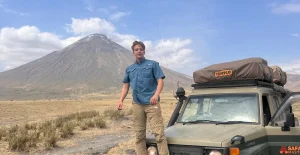
Viajero de pie junto a un 4x4 con tienda de techo bajo el Ol Doinyo Lengai

Cuéntanos qué te gusta y te inspiraremos. Todos nuestros tours son 100 % personalizables. Así que, ¿estás listo para hacer realidad tus sueños? Hablemos.

Solicita un presupuesto. Es gratuito y

sin compromiso.

Índice

¿Cómo se formó el monte Kilimanjaro?

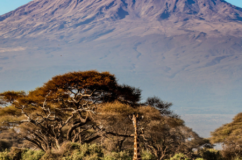
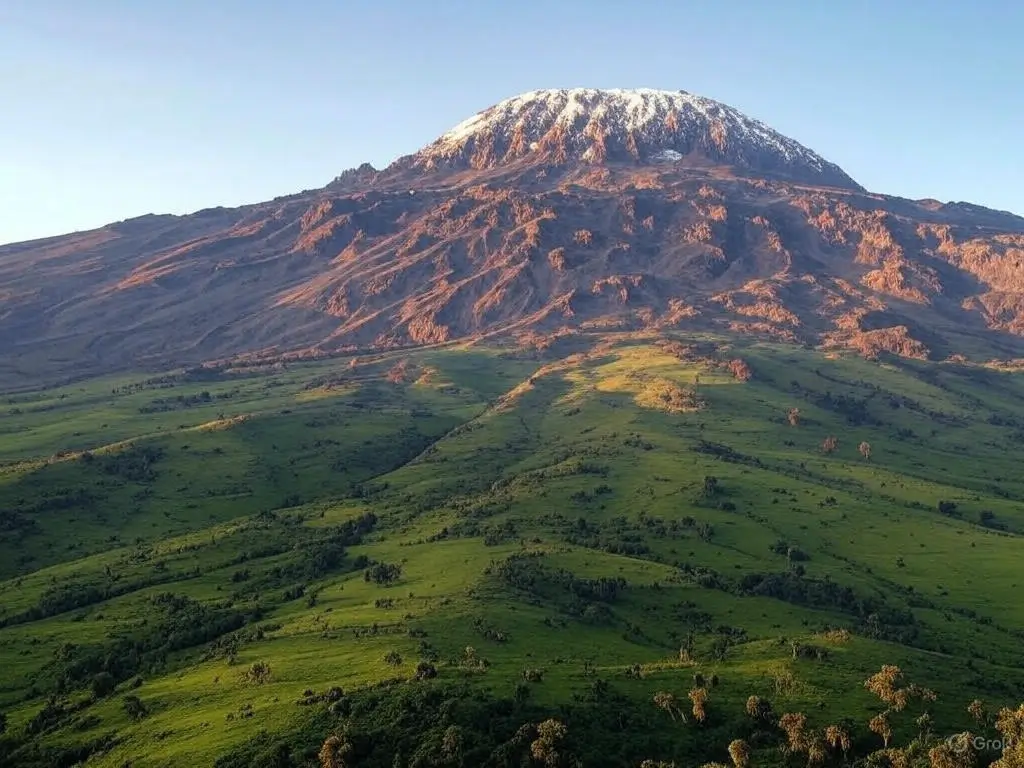
El majestuoso monte Kilimanjaro se alza sobre colinas verdes, con su cumbre nevada iluminada por la luz del sol.

El monte Kilimanjaro es una de las montañas más famosas del mundo. Situado en Tanzania, África, es la montaña independiente más alta de la Tierra. Pero, ¿alguna vez te has preguntado cómo se formó el monte Kilimanjaro?

A diferencia de otras montañas que forman parte de una cordillera mayor, el Kilimanjaro se alza en solitario, emergiendo de la tierra como un guardián imponente. Su creación es una fascinante historia de fuego, lava y poderosas fuerzas bajo la superficie terrestre.

Hace millones de años, las profundas grietas de la corteza terrestre permitieron que la roca fundida ascendiera, lo que creó enormes volcanes. El Kilimanjaro nació de esta actividad ardiente, tomando la forma del impresionante pico que vemos hoy. Pero eso no es todo, ya que esta montaña tiene tres conos volcánicos y cada uno cuenta una parte diferente de su historia.

En este artículo, exploraremos cómo se formó el monte Kilimanjaro, paso a paso, de una manera fácil de entender. Viajemos al pasado y descubramos los secretos de este poderoso volcán.

¿Cómo se formó el monte Kilimanjaro? Un viaje tectónico

El monte Kilimanjaro es un estratovolcán, un tipo de volcán formado por múltiples capas de lava endurecida, ceniza volcánica y roca. Su historia comienza hace millones de años, en las profundidades de la corteza terrestre, donde las fuerzas geológicas dieron forma a su creación.

La corteza terrestre está formada por secciones en movimiento llamadas placas tectónicas. En el este de África, estas placas empezaron a separarse, lo que creó profundas grietas en el terreno. Este proceso se conoce como formación de un rift y forma parte del enorme Gran Valle del Rift, que sigue dando forma a la región hoy en día.

A medida que la tierra se estiraba y fracturaba, la roca fundida, o magma del interior de la Tierra, empezó a subir por estas grietas. Cuando llegó a la superficie, entró en erupción en forma de lava, que fue acumulando capas gradualmente hasta formar el imponente Kilimanjaro. Pero a diferencia de un volcán único, el Kilimanjaro consta de tres conos volcánicos: Shira, Mawenzi y Kibo, cada uno con su propia historia única:

  • Shira, el cono más antiguo, se formó hace unos 2,5 millones de años. En su día fue un pico enorme, pero acabó colapsando debido a la erosión y a la actividad volcánica, dejando tras de sí una amplia meseta.
  • Mawenzi se formó a continuación, hace aproximadamente 1 millón de años. Su estructura escarpada y empinada es el resultado de una intensa actividad volcánica y de la erosión.
  • Kibo, el cono más joven y alto, se eleva a 5.895 metros (19.341 pies). Su última erupción tuvo lugar hace entre 150.000 y 200.000 años y aún muestra signos de actividad volcánica, como fumarolas (respiraderos de vapor) cerca de su cumbre.

Aunque los volcanes del Kilimanjaro están ahora inactivos, su formación moldeó el paisaje que vemos hoy. A lo largo de miles de años, los glaciares, el viento y la lluvia tallaron las laderas de la montaña, creando valles profundos y crestas rocosas.

El monte Kilimanjaro se erige como un recordatorio de las poderosas fuerzas de la Tierra. Desde las erupciones ardientes hasta los glaciares de lento movimiento, su formación es una historia de cambio, destrucción y belleza.

Etapas de la formación del Kilimanjaro

El monte Kilimanjaro no apareció de la noche a la mañana, ya que tardó millones de años en formarse a través de diferentes etapas volcánicas. El proceso comenzó en las profundidades de la superficie terrestre, donde una intensa actividad geológica obligó a la roca fundida (magma) a subir y construir lo que hoy llamamos Kilimanjaro. Esto ocurrió en tres etapas principales:

  1. El nacimiento de Shira (hace unos 2,5 millones de años)

La primera etapa de la formación del Kilimanjaro comenzó hace unos 2,5 millones de años con la erupción del Shira. En aquel momento, el magma del interior de la Tierra atravesó la corteza formando un gran cono volcánico.

Sin embargo, tras miles de años, la actividad volcánica del Shira disminuyó y el pico acabó colapsando debido a la erosión y a la inestabilidad interna. Este colapso creó la meseta de Shira, una zona amplia y relativamente llana que sigue siendo visible hoy en día. El Shira es el más bajo de los tres conos y ya no está activo.

  1. La formación de Mawenzi (hace aproximadamente 1 millón de años)

Una vez que el Shira quedó inactivo, la actividad volcánica se trasladó a una nueva ubicación que dio lugar a la formación del Mawenzi, que entró en erupción hace aproximadamente 1 millón de años. Las erupciones del Mawenzi formaron una montaña escarpada y empinada, pero con el tiempo, la intensa erosión talló valles profundos y crestas afiladas en su estructura.

A diferencia del Kibo, que se mantiene algo redondeado, el aspecto del Mawenzi es tosco y accidentado debido a siglos de erosión. Aunque el Mawenzi está extinguido, sigue siendo el segundo pico más alto del Kilimanjaro, alcanzando los 5.149 metros (16.893 pies).

  1. El ascenso del Kibo (desde hace unos 500.000 años hasta la actualidad)

La etapa final y más significativa de la formación del Kilimanjaro fue la erupción del Kibo, que comenzó hace unos 500.000 años. Esta fue la actividad volcánica más potente y sostenida, y acabó creando el pico más alto de la montaña.

Las erupciones del Kibo continuaron durante miles de años, añadiendo capas de lava y ceniza que lo convirtieron en el cono dominante. Hoy en día, el Kibo tiene una altura de 5.895 metros (19.341 pies) y sigue siendo el mejor conservado de los tres conos volcánicos del Kilimanjaro. Aún conserva pruebas de erupciones pasadas, como un gran cráter y fumarolas humeantes.

Última actividad volcánica y estado de inactividad

Aunque el Kilimanjaro ya no es un volcán en erupción activa, su actividad volcánica pasada no se detuvo de repente. El Kibo siguió entrando en erupción periódicamente, y la última erupción importante se produjo hace entre 150.000 y 200.000 años. La actividad volcánica menor más reciente en el Kilimanjaro ocurrió hace unos 360.000 años, cuando coladas de lava bajaron por sus laderas.

Hoy en día, el Kibo se considera un volcán inactivo, lo que significa que no está en erupción en este momento, pero aún tiene potencial para activarse de nuevo. Los científicos han detectado fumarolas (respiraderos de vapor) cerca del cráter del Kibo, lo que sugiere que todavía hay calor bajo la superficie.

Sin embargo, no hay indicios de una erupción inminente. A diferencia de los volcanes extinguidos, que están permanentemente inactivos, un volcán aletargado como el Kilimanjaro podría, teóricamente, volver a entrar en erupción si se dan las condiciones geológicas adecuadas.

Erosión e influencia de los glaciares

El monte Kilimanjaro no solo ha sido moldeado por las erupciones volcánicas, sino también por la erosión y la actividad de los glaciares a lo largo de miles de años. Una vez que cesaron las erupciones, las fuerzas del viento, la lluvia y el hielo alteraron gradualmente el paisaje de la montaña.

Talla glacial y formaciones de hielo

Durante la Edad de Hielo, el Kilimanjaro estuvo cubierto por grandes glaciares que se extendían ladera abajo. Estos glaciares tallaron lentamente valles profundos y dejaron tras de sí superficies rocosas lisas.

Con el tiempo, el movimiento del hielo y las temperaturas gélidas dieron forma a las crestas y acantilados de la montaña. Algunos de los glaciares más famosos del Kilimanjaro, como el glaciar Furtwängler, son restos de esta antigua capa de hielo.

El deshielo de los glaciares y el cambio climático

En los últimos siglos, los glaciares del Kilimanjaro han ido retrocediendo debido al cambio climático. Los estudios demuestran que más del 80% del hielo del Kilimanjaro ha desaparecido en los últimos 100 años, y los científicos predicen que los glaciares restantes podrían desaparecer por completo en las próximas décadas. El deshielo también ha afectado a las fuentes de agua de la montaña, reduciendo los arroyos y ríos que antes fluían desde sus cumbres.

Erosión por viento y lluvia

Aparte de los glaciares, el viento y la lluvia han desempeñado un papel fundamental en la formación del Kilimanjaro. Las fuertes lluvias en las laderas más bajas han tallado valles profundos, mientras que los fuertes vientos en las altitudes más elevadas han desgastado gradualmente las formaciones rocosas expuestas. Esta erosión constante ha contribuido a los paisajes accidentados y espectaculares que se ven hoy en la montaña.

Reflexiones finales

La formación del monte Kilimanjaro es una historia de fuego, hielo y tiempo. Comenzó como un volcán ardiente con erupciones que crearon tres conos volcánicos. A lo largo de miles de años, la actividad volcánica dio forma a sus imponentes picos, pero una vez que cesaron las erupciones, los glaciares y la erosión continuaron esculpiendo la montaña. Hoy en día, el Kilimanjaro se erige como la montaña más alta de África, una maravilla geológica moldeada por fuerzas tanto destructivas como creativas. Comprender su historia nos ayuda a apreciar el poder de la naturaleza y los cambios que siguen dando forma al paisaje de la Tierra.

Preguntas frecuentes

¿Dónde está el monte Kilimanjaro?

El monte Kilimanjaro se encuentra en Tanzania, en el este de África, cerca de la frontera con Kenia. Es la montaña más alta de África, con 5.895 metros (19.341 pies) sobre el nivel del mar. La montaña forma parte del Parque Nacional del Kilimanjaro, declarado Patrimonio de la Humanidad por la UNESCO.

¿En qué límite de placas se encuentra el monte Kilimanjaro?

El monte Kilimanjaro no se encuentra directamente sobre un límite de placas. En su lugar, se halla en la zona del Rift de África Oriental, causada por el límite divergente entre la placa africana y la placa somalí.

¿Qué tipo de volcán es el monte Kilimanjaro?

El monte Kilimanjaro es un estratovolcán, también conocido como volcán compuesto. Este tipo de volcán se forma a partir de capas de lava endurecida y ceniza acumuladas a lo largo del tiempo. El Kilimanjaro consta de tres conos volcánicos: Shira (extinto), Mawenzi (extinto) y Kibo (inactivo, pero no extinguido).

¿Cuándo entró en erupción por última vez el monte Kilimanjaro?

La última erupción importante del monte Kilimanjaro se produjo hace entre 150.000 y 200.000 años. La actividad volcánica menor más reciente, como las coladas de lava, ocurrió hace unos 360.000 años. Hoy en día, el Kibo, el cono más alto, está inactivo pero aún presenta cierta actividad geotérmica, como fumarolas humeantes cerca del cráter.

¿Cómo se formó el monte Kilimanjaro? (Respuesta corta)

El monte Kilimanjaro se formó por erupciones volcánicas causadas por el Rift de África Oriental. Hace más de 2,5 millones de años, el magma del interior de la Tierra rompió la superficie creando los conos Shira, Mawenzi y Kibo. Las repetidas erupciones formaron la montaña y, con el tiempo, la erosión y los glaciares ayudaron a darle su aspecto actual.

Sobre el Autor
Imagen de George Joseph
George Joseph

Escritor experto y escalador especializado en el Kilimanjaro y safaris en Tanzania. Como director ejecutivo de Kilidove Tours, combino experiencia de aventura de primera mano con un profundo conocimiento para crear contenido inspirador sobre trekking de montaña y exploración de vida salvaje en Tanzania.

Explora Tanzania—Donde la Naturaleza Salvaje Cobra Vida

Embárcate en un emocionante safari por Tanzania con guías expertos de Kilidove Tours. Contempla una vida salvaje impresionante, paisajes asombrosos y aventuras inolvidables. ¡Reserva tu safari hoy y descubre África como nunca antes!

Planifica tu Próxima Aventura de Safari con Kilidove Tours

Posted on Tripadvisor Tripadvisor
saschastoltenow profile picture
saschastoltenow
Tripadvisor star 1Tripadvisor star 2Tripadvisor star 3Tripadvisor star 4Tripadvisor star 5Verified
A life-time experience We were on a family trip to Tansania and through a recommendation for a Safari operator we got in contact with Kilidove. And what can I say: Right from the moment Sam, our guide for the first week, picked us up at Kilimanjaro Airport, we were complety immersed. And yes, we were tourists, but never really feeled like, but more as guests, with Sam beeing the perfect host - a true lover of the animals and nature, an excellent driver and very attentive and open to share his experiences.
Posted on Tripadvisor Tripadvisor
Jillian D profile picture
Jillian D
Tripadvisor star 1Tripadvisor star 2Tripadvisor star 3Tripadvisor star 4Tripadvisor star 5Verified
Incredible people! Trip of a lifetime! Kilidove is incredible!! We did the 6 day machame route on Kilimanjaro followed by a 4 day safari followed by 4 days in Zanzibar. The accommodations were amazing, the people were even better and we are both vegan and gluten free and they were able to accommodate (even on the mountain while camping). I cannot say enough good things about this company!! For the trek up Kili our chief guide was Colman and he was so kind, funny, and caring. Because of him we both had a successful and pleasurable experience summiting. He is an excellent guide! For our safari we had Jackson and we saw the big 5 plus every other animal you could think of. He was an excellent safari guide. We had one small hiccup on the trip in Zanzibar with a city tour that got cut a bit short. Notified the company and they were extremely apologetic, comped our dinner for the next 3 nights (which was completely unnecessary but much appreciated) and given a new tour guide for the next day. The trip then ran flawlessly. They most definitely made it right! They are amazing. I recommend kilidove to anyone and everyone for all your Africa adventures!!
Posted on Tripadvisor Tripadvisor
san profile picture
san
Tripadvisor star 1Tripadvisor star 2Tripadvisor star 3Tripadvisor star 4Tripadvisor star 5Verified
Best safari tour ever! We booked our honey moon with Kilidove and it was the best experience ever!We were super lucky to get Bony as our guide and he couldn’t have been better!!The overall experience was great, they care about sustainability and our guide was super respectful to wilde life!! 10/10 experience.Everything was well organized (transport, hotels, foods, itinerary) we didn’t have to worry about anything… only enjoying!
Posted on Tripadvisor Tripadvisor
mormon profile picture
mormon
Tripadvisor star 1Tripadvisor star 2Tripadvisor star 3Tripadvisor star 4Tripadvisor star 5Verified
Perfect job, and very trustful company to climb Kilimanjaro in a 6 people group Activity: climbing Kilimanjaro.We climbed Kilimanjaro in 7 days by the Machame road.Group of 6 people, with 3 guides 1 chef, 1 waiter and 18 porters (3/pax), which is the norm. Everything went well and we succeeded in our quest to the summit. The guides and all the Tanzanian people with us have been amazing, helpful, and nice ... Considering the lack of comfort and the difficulty of the ascension, we consider that they did a perfect job with the cooperation and the advice. Asante for everything you made for us, to make the dream coming true!!
Posted on Tripadvisor Tripadvisor
aborow profile picture
aborow
Tripadvisor star 1Tripadvisor star 2Tripadvisor star 3Tripadvisor star 4Tripadvisor star 5Verified
Mr. Bonny at Kilidove is Amazing! We had Mr. Bonny from Kilidove pick us up from our Arusha hotel and serve as a private guide for 3 nights in the Seregenti, and our return trip back to Arusha. Mr. Bonny was an incredible guide! He was so knowledgable about all the animals and everything we saw on our safari. It was clear how much he loved the animals and at home he was in the Serengeti, having grown up right outside the park. He was able to spot animals so far in the distance, and find the elusive leopard in the tree that no one else could find. Mr. Bonny was engaging, kind and an absolute pleasure to spend time with. It truly was sad to say goodbye to him. I have to also note that Mr. Bonny was a very safe driver. When driving to/from Arusha, we were stunned by the number of safari vehicles speeding by us on the unsafe and rocky dirt roads. Driving in Tanzania is not for the faint of heart, as we witnessed a few accidents, including some cows being hit by a public bus. We were so grateful to him and would highly recommend!
Posted on Tripadvisor Tripadvisor
Franziska profile picture
Franziska
Tripadvisor star 1Tripadvisor star 2Tripadvisor star 3Tripadvisor star 4Tripadvisor star 5Verified
Best safari experience! We spent our honeymoon in Tanzania for a 9 day safari trip in Tarangire, Lake Manyara, Serengeti and Ngorongoro national parks and it probably was the most incredible experience we had so far. The booking process was really comfortable and easy, Lisa answered all of our questions quickly and made the safari fit to all our wishes (not leaving the set budget out of mind).We especially want to thank our guide, Sam, for the amazing trip that was mostly his merit. He went above and beyond to ensure we got the most out of our trip. He had a profunde knowledge of all the locations and the wildlife and knew where the best spots for watching wildlife were. No wishes remained unfulfilled. Besides that, Sam was incredibly nice and a great (and hilarious) company during the long car rides. Everybody getting to do a safari trip with him can call themselves lucky!Thank you so much to the whole team, asante sana!
Posted on Tripadvisor Tripadvisor
PaulU561 profile picture
PaulU561
Tripadvisor star 1Tripadvisor star 2Tripadvisor star 3Tripadvisor star 4Tripadvisor star 5Verified
Superb in every way. Highly recommended and without hesitation! Choose Kilidove for the experience of a lifetime! We contacted Kilidove after an online search to find a company that could plan a month-long itinerary including Rwanda, Uganda, Kenya and Tanzania ending in Zanzibar to celebrate my 60th birthday. We received back a professionally presented proposal which we were delighted to find was a privately guided tour. Our only essential requirement was to see the mountain gorillas in Rwanda, but the proposal was comprehensive and varied including safaris as well as cultural experiences. We had to book our own international flights, apply for necessary visas and get certain vaccinations ourselves, but everything else was taken care of without a single hiccup. We stayed in a variety of accommodations from 5-star hotels and lodges to tented camps and they all enhanced our adventure in different ways. The main guides and drivers, Duncan, George and Boni were all professional, dedicated and enthusiastic. Our stand out experiences were obviously meeting the gorillas high up in the mountain in Rwanda, seeing the elusive leopard up a tree in Kenya, spending 90 minutes alone with a lion family complete with four cubs by a water hole in the Serengeti and two hours hunting with the Hadzabe tribe in Tanzania. There were many more, the cheetahs close up in the Maasai Mara and the hot air balloon ride, the many different bird species including huge flocks of flamingos and pelicans, the Karen Blixen Museum in Nairobi, the Genocide Memorial in Kigali, the cycling tour of Mto Wa Mbu, I could write a book! It was a very active holiday so it was nice to just chill out in Zanzibar for five days at the end. Everything was organised by the incredible Lisa Adams who was there to help with any questions via WhatsApp or email throughout the planning process and after we had arrived in East Africa. We were told there are 300+ safari companies in Arusha where she is based and for sure, without hesitation, we would highly recommend Kilidove to anyone. They were superb in every way. As well as that I have now clocked up my 87th country worldwide and my 13th African country. Thank you Kilidove for everything!
Posted on Tripadvisor Tripadvisor
Louise G profile picture
Louise G
Tripadvisor star 1Tripadvisor star 2Tripadvisor star 3Tripadvisor star 4Tripadvisor star 5Verified
A memorable outstanding safari to Kenya and Tanzania , Hakuna Matata We just came back from a wonderful , well planned and organized safari to Kenya and Tanzania for 12 days and with an additional 5 days in Zanzibar from October 6th to October 23rd 2023. We really want to thank Lisa Adams who helped us plan and coordinate this memorable, private safari and leisure time in these countries. We had marvelous, respectful , reliable and so knowledgeable guides and drivers. First, Kelvin Vinkar from Dove Africa, the sister company in Kenya, was on time at the airport and despite the fact that we missed our connection with Qatar airlines, everything turned out quite well with the airlines personnel and we were on time for our schedule to go to our first park Amboseli and to Kibo safari lodge for two nignts. Perfect, we had game drives on both days that were unbelievable with the Kilimandjaro that was so clear. We were able to see so many species of animals such as girafes, elephants, zebras, Thomson's gazelles ,antilopes, impalas, waterbucks, cheetahs and lions with all their beauty and living environment. The Kibo lodge was very comfortable with beautiful views of the Kilimanjaro. We continued our itinary to lake Nakuru, 9 hours of driving and stopping at the incredible Great Rift valley. We were so happy to visit the park as we saw 2 rhinoceros, mother and baby , we were at our 4 th big 5 already . We were a bit late to arrive at the Ziwa Bush Lodge that seemed to be very nice, so quiet and peaceful, the staff accomodated us so nicely for one night, The next morning we left for the Maassai Mara reserve and Olengoti eco lodge at Narok at the Talek river . What a reception on arrival we got by all the staff, an incredible 2 days , having breakfast and dinner with the hippopotams and crocrodiles and beautiful and memorable game drive to the awesome Maassai Mara reserve , The plains are so beautiful and the animals are incredible. We were able to visit a Maassai village near the camp, memorable time with these beautiful people and children. We learned so much of their culture and habits. Kelvin with his calm and patience drove us safely for 5 hours through massai mara reserve to the border of Tanzania. We didn't have trouble to pass the border and customs and Bonnie , Boniphace Sospiter our incredible guide for Tanzania was already waiting for us for the take over. We were heading to the Serengeti park north side to Gnu migration camp. We were the only visitors , what a service we had . With a little of rain but a real blessing as David said. Marvelous meals and attention from the staff, We already start with a game drive that was so wonderful in Serengeti parks with all the beautiful Gnus and Zebras and the next morning a leopard our 5th big five that was missing so far, Bonnie was so knowledgeable, sensitive , very helpful and very accomodating to all our needs and ensure we see animals in all their behaviors of calm or hunting. He ensure in every camp that we always had our lunch to all game drives on long days. We loved so much all the Mawe lodges that we visit along our itinary in Serengeti and Norongoro crater, Karatu and Tarangire national parks. All the teams and personel of the Mawe lodges are so welcoming, so nice and so handsome . We loved everyone we met. Bonnie drove us to the airport after 7 days of intense safari games but so memorable in the savanah . We flew for internal flight to Zanzibar with flight link and other driver Luqman was waiting for us, and drove us to Tembo hotel, in Stonetown, so beautiful and confortable on the beach with a wonderful view of the port. The next morning we were able to have a visit of stone town that was very interesting to learn the history and culture, the big market. We could visit the Freddy Mercury museum. After we left for Pongwe beach hotel for 4 days that concluded in peace and rest at the marvelous beach and resort with excellent cuisine. We will always remember this wonderful trip of East Africa and Zanzibar and we are so happy to have chosen Kilidove safari and tours for planning the trip as everything went so well , so safely and so well organized and the choices of the lodge or camp were so confortable and we ate everywhere so well with an outstanding service with amazing staff. Thank you to every one we met in this incredible journey and you will always remain in our hearts. Hakuna Matata. Louise and Serge from Montréal, Québec, Canada.
Posted on Tripadvisor Tripadvisor
Flyer46143703659 profile picture
Flyer46143703659
Tripadvisor star 1Tripadvisor star 2Tripadvisor star 3Tripadvisor star 4Tripadvisor star 5Verified
"Bucket List Brilliance" We 6 Seasoned Safari Enthusiasts were blown away by The Serengeti Experience. The best decision was adopting Kilidove Tours to hang it all together. Lisa, your Admin. Management was perfect. (even to the extent of organizing a Birthday Party Cake in the Bush). Then there was our Driver/Guide and Friend Bonny, You are simply "The Best".Asante-sana. Derek Fay (Cape Town).
Posted on Tripadvisor Tripadvisor
KatieCT045 profile picture
KatieCT045
Tripadvisor star 1Tripadvisor star 2Tripadvisor star 3Tripadvisor star 4Tripadvisor star 5Verified
5 Stars isn't high enough for Kilidove Tours My husband and I have recently returned from a 15-day private adventure designed and carried out by Kilidove Tours and Safaris. From start to finish this trip was planned and executed flawlessly thanks to the amazing team at Kilidove. On a scale from one to ten, they deserve a fifteen! I could write pages about our experience, but I will try to hit the highlights. From the first contact a year before our trip, Lisa Adams (Kilidove’s operations manager) responded to every question in a series of emails ranging from possible itineraries to vehicle maintenance. The result was the perfect trip that addressed every wish and concern on our list- safari start day in case of travel delays, safari locations, cultural experiences, snorkeling, and a beach retreat. Our safari guide mentioned several times how impressed he was with our personalized itinerary.Eleven months passed between the date we booked our trip and our departure for Tanzania. During that time whenever a question came up, I would send an email off to Kilidove and Lisa would respond immediately. We received guidance on packing lists, luggage limits, visa requirements, and availability of health services. All this information allowed us to be well prepared for our Tanzanian adventure.Once in Tanzania, each person we encountered did everything they could to make us feel at home and worked tirelessly to ensure we had the best experience possible. All the accommodations were clean and comfortable ranging from the Mawe tent lodges to the Zanzibar beach resort. Meals were tailored to an American/European pallet and the greatest care was taken to provide safe water and food in order to prevent any illness. Our drivers and safari guide were the most amazing people. The range of skills they possessed took us by surprise. They are professional drivers, multi-linguists, cultural ambassadors, and wildlife experts. Each one asked us what our wishes and desires were for our trip and work tirelessly to make sure we didn’t leave Tanzania disappointed. Above all they were warm and friendly people with whom we shared many laughs and special experiences. We are forever grateful to Johnson our Arusha guide, Luqman our Zanzibar guide, Habib our Stone Town guide and most importantly Samson our safari guide who showed us more of Tanzania then we could ever have imagined. Thank you all for your hospitality and kindness.Finally, I want to thank Lisa and everyone on the Kilidove team that made our dream vacation a reality. I know during our fifteen-day adventure she kept tabs on us, either through direct contact with me or one of our guides. She was always one step ahead of us making sure that transitions from one part of the trip to the next ran smoothly. I hope that I can return to Tanzania one day and I look forward to that time when we can work together once again.