
COMIENZA LA AVENTURA

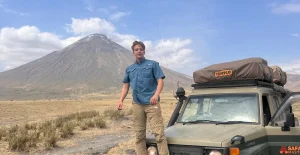
Viajero de pie junto a un 4x4 con tienda de techo bajo el Ol Doinyo Lengai

Cuéntanos qué te gusta y te inspiraremos. Todos nuestros tours son 100 % personalizables. Así que, ¿estás listo para hacer realidad tus sueños? Hablemos.

Solicita un presupuesto. Es gratuito y

sin compromiso.

Índice

¿Dónde está el Monte Kilimanjaro? Ubicación, características y datos

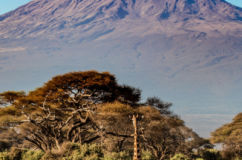
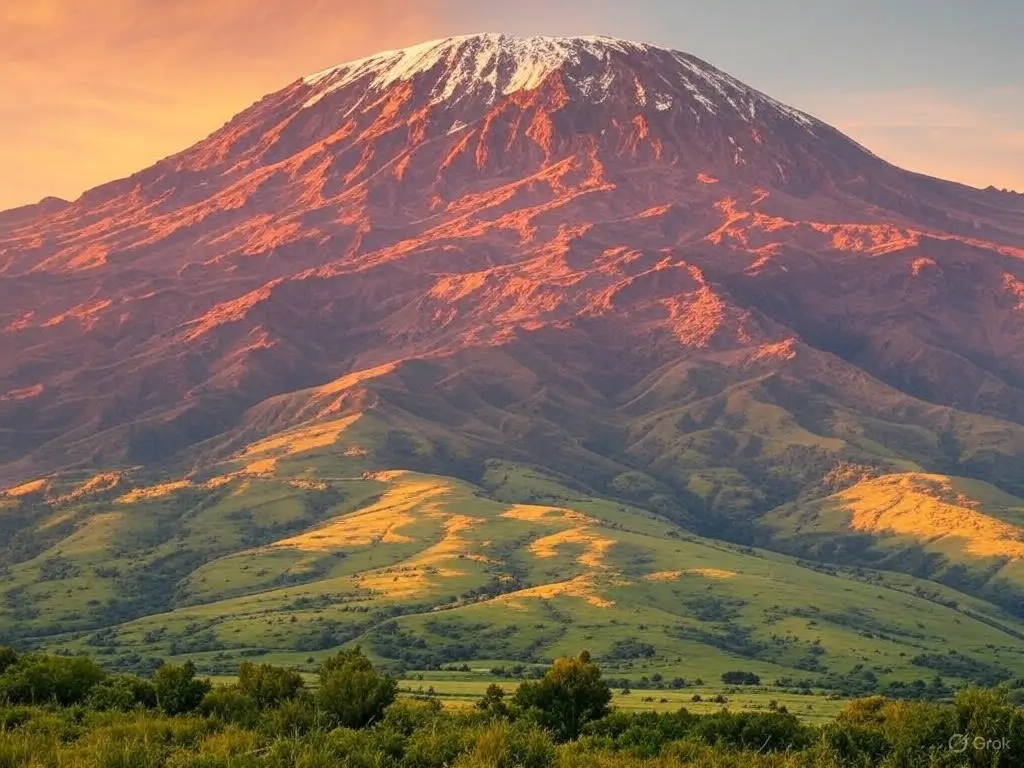
Vista del Monte Kilimanjaro en temporada verde. Mucha gente quiere saber la ubicación y los datos sobre el Kilimanjaro.

El Monte Kilimanjaro es una de las montañas más famosas del mundo, pero ¿sabes cuál es la ubicación exacta del Kilimanjaro? Este gigante imponente se alza en África, atrayendo a miles de escaladores y amantes de la naturaleza cada año. Con su pico cubierto de nieve, su abundante vida silvestre y su increíble historia, el Kilimanjaro es más que una montaña; de hecho, es una maravilla natural.

En este artículo, aprenderás sobre su ubicación exacta, sus características clave y datos asombrosos que lo hacen único. Sigue leyendo para descubrir por qué el Monte Kilimanjaro es tan especial y qué lo convierte en un destino de visita obligada.

AtributoDetalles
Coordenadas geográficas3°4′33″ S, 37°21′12″ E (-3.075833, 37.353333)
UbicaciónÁfrica, Tanzania, cerca de la frontera con Kenia
Tipo de formaciónMontaña, estratovolcán (dormido)
CordilleraValle del Rift de África Oriental
Edad geológicaPlioceno
Distancia desde el centro de la Tierra6.384.134 metros (20.935.892 pies), ocupando el 4º lugar a nivel mundial
Elevación5.895 metros (19.341 pies) sobre el nivel del mar
Punto más altoPico Uhuru
Conos volcánicosKibo, Mawenzi y Shira
Primer ascenso documentado1889 por Hans Meyer, Ludwig Purtscheller y Mwini Amani
Estado UNESCOPatrimonio de la Humanidad por la UNESCO
ImportanciaLa montaña más alta de África y un Parque Nacional
Aeropuerto internacional más cercanoAeropuerto Internacional del Kilimanjaro (JRO)
Ciudades cercanasMoshi, Arusha

¿Dónde se encuentra el Monte Kilimanjaro?

El Monte Kilimanjaro se encuentra en Tanzania, África Oriental. Se alza cerca de la frontera norte del país, que está próxima a Kenia. La montaña forma parte del Parque Nacional del Kilimanjaro. Es un área protegida famosa por sus impresionantes paisajes y su abundante vida silvestre.

El Kilimanjaro está a unos 330 km (205 millas) al sur del Ecuador y a unos 160 km (99 millas) de Arusha, una ciudad importante en Tanzania. La ciudad más cercana a la montaña es Moshi, que sirve como principal punto de acceso para los escaladores.

Aunque el Monte Kilimanjaro está en Tanzania, es visible desde Kenia, especialmente desde el Parque Nacional de Amboseli. Sin embargo, todas las rutas de ascenso oficiales a la cima comienzan desde el lado tanzano.

Geografía y clima únicos del Kilimanjaro

El Monte Kilimanjaro no es una montaña cualquiera; de hecho, es un volcán independiente, el más alto del mundo. A diferencia de las cordilleras que se extienden por varios países, el Kilimanjaro se alza solo, elevándose dramáticamente desde las llanuras africanas. Debido a su altura, la montaña tiene diferentes zonas climáticas, cada una con su propio clima, plantas y animales.

Estructura volcánica

El Monte Kilimanjaro es un volcán dormido, lo que significa que no ha entrado en erupción en miles de años, pero aún tiene el potencial de volver a activarse. Se formó a través de la actividad volcánica hace millones de años, cuando el magma de las profundidades de la Tierra entró en erupción y se enfrió, creando la enorme montaña que vemos hoy.

Kibo – El cono central y más alto

Kibo es el más grande y alto de los tres conos volcánicos del Kilimanjaro. Alcanza los 5.895 metros (19.341 pies) y alberga el Pico Uhuru, que es el punto más alto de la montaña. A pesar de estar dormido, Kibo aún muestra signos de actividad volcánica, con gases que ocasionalmente escapan de las profundidades del cráter.

Mawenzi – El pico escarpado y afilado

Mawenzi es el segundo cono más alto del Kilimanjaro, con 5.149 metros (16.893 pies). A diferencia de Kibo, Mawenzi tiene una apariencia escarpada y afilada, lo que lo hace extremadamente difícil de escalar. Está compuesto por roca volcánica erosionada que crea acantilados pronunciados y valles profundos.

Shira – El cono más antiguo y colapsado

Shira es el más antiguo de los conos volcánicos del Kilimanjaro, que una vez fue tan alto como Kibo. Sin embargo, con el tiempo, gran parte de Shira colapsó, dejando una gran meseta a una altitud de 4.005 metros (13.140 pies). Hoy en día, esta meseta es una vasta área abierta con plantas y vida silvestre dispersas, que ofrece un paisaje hermoso pero inquietante.

Altura y elevación

El Monte Kilimanjaro es la montaña más alta de África, con 5.895 metros (19.341 pies) sobre el nivel del mar. Esta impresionante altura la convierte en una de las cumbres más codiciadas por los escaladores de todo el mundo.

A diferencia de las montañas que forman parte de una cadena, el Kilimanjaro es una montaña volcánica independiente, lo que significa que se eleva de forma autónoma desde el terreno circundante sin picos conectados.

La altura extrema de la montaña provoca cambios drásticos de temperatura a medida que se asciende. En la base, el clima es cálido y tropical, similar a las llanuras africanas circundantes. Sin embargo, a medida que los escaladores ascienden, las temperaturas bajan significativamente y el aire se vuelve más denso.

En la cima, las condiciones son duras, con temperaturas bajo cero que pueden descender por debajo de los -20°C (-4°F). La falta de oxígeno a gran altitud dificulta la respiración, lo que provoca mal de altura en muchos escaladores. Por eso, la mayoría de los escaladores tardan varios días en aclimatarse antes de intentar alcanzar la cima.

La combinación de la altura del Kilimanjaro y su posición única cerca del ecuador la convierte en una de las montañas más fascinantes del mundo.

Cinco zonas climáticas

Una de las características más singulares del Monte Kilimanjaro son sus cinco zonas climáticas distintas, cada una con su propio clima, vegetación y vida silvestre. A medida que los escaladores ascienden la montaña, experimentan un increíble cambio de paisajes, desde exuberantes bosques hasta terrenos áridos y helados.

Matorral / Laderas bajas

La base del Kilimanjaro, que va de 800 a 1.800 metros (2.600 a 5.900 pies), es una zona seca y cálida cubierta de tierras de cultivo y pastizales abiertos. Esta región es el hogar de comunidades locales que cultivan productos como plátanos, café y maíz. La vida silvestre en esta zona es limitada, pero se pueden observar algunos animales, incluyendo antílopes y pequeños mamíferos. El clima aquí es relativamente templado, con temperaturas moderadas y lluvias ocasionales.

Zona de selva tropical

Entre 1.800 y 2.800 metros (5.900 y 9.200 pies), el paisaje cambia drásticamente a medida que la montaña se cubre de densa selva tropical. Esta es la zona más húmeda y biodiversa, hogar de una variedad de animales, incluyendo monos azules, monos colobos e incluso elefantes.

Zona de páramo

A medida que la elevación alcanza de 2.800 a 4.000 metros (9.200 a 13.100 pies), la selva tropical desaparece, dando paso a un paisaje rocoso y abierto conocido como la zona de páramo. Esta región se caracteriza por lobelias gigantes y senecios, que son especies de plantas únicas adaptadas a las duras condiciones. El aire se vuelve más frío y las noches pueden ser bastante gélidas.

Zona de desierto alpino

De 4.000 a 5.000 metros (13.100 a 16.400 pies), la montaña se transforma en un desierto alpino, un paisaje seco y árido con muy poca vegetación. El sol es intenso durante el día, mientras que las temperaturas descienden por debajo de cero por la noche.

Los fuertes vientos y los bajos niveles de oxígeno hacen de esta zona una de las más desafiantes para los escaladores. A pesar de las duras condiciones, algunas plantas e insectos resistentes logran sobrevivir. Esta zona marca el tramo final antes de llegar a la cima.

Zona ártica

La zona final y más alta, por encima de los 5.000 metros (16.400 pies), es un desierto helado que parece otro mundo. Aquí, las temperaturas están siempre bajo cero y el aire es extremadamente denso, lo que dificulta la respiración.

El paisaje está compuesto principalmente por glaciares, terreno rocoso y laderas cubiertas de nieve. La cima, el Pico Uhuru, se encuentra dentro de esta zona y ofrece vistas impresionantes de África para aquellos que logran llegar a la cumbre.

Ecosistema único

A pesar de su gran altitud, el Kilimanjaro alberga una gran variedad de plantas y animales. La zona de selva tropical es el hogar de monos azules, monos colobos, leopardos y elefantes. Las zonas de páramo y alpinas tienen plantas raras adaptadas a las duras condiciones.

La característica más sorprendente son los glaciares en la cima, a pesar de que el Kilimanjaro está cerca del Ecuador. Sin embargo, estos glaciares están disminuyendo debido al cambio climático y los científicos predicen que podrían desaparecer en las próximas décadas.

Historia y significado cultural

El Monte Kilimanjaro ha sido un hito importante durante siglos, mucho antes de que los exploradores modernos alcanzaran su cima. El primer ascenso registrado a la cumbre fue en 1889 por un geógrafo alemán, Hans Meyer, y un montañista austriaco, Ludwig Purtscheller.

Antes de su exitoso ascenso, muchos intentos habían fracasado debido a las duras condiciones, la falta de equipo adecuado y la altitud extrema de la montaña. Meyer y Purtscheller pasaron semanas preparándose y aclimatándose a la gran altitud antes de alcanzar finalmente el punto más alto, que ahora se llama Pico Uhuru. Su viaje demostró que llegar a la cima era posible, lo que abrió la puerta a futuros escaladores de todo el mundo.

Para el pueblo Chagga, que ha vivido en las laderas bajas del Kilimanjaro durante siglos, la montaña tiene un profundo significado cultural y espiritual. Creen que el Kilimanjaro es un lugar sagrado y hogar de espíritus y dioses.

Según las leyendas locales, el pico cubierto de nieve de la montaña fue un regalo de los dioses y solo aquellos que mostraban gran fuerza y coraje podían acercarse a él. El pueblo Chagga también tiene historias de un poderoso espíritu que protege la montaña, asegurando que solo los dignos pudieran escalar sus laderas. Incluso hoy en día, el Kilimanjaro sigue siendo un símbolo importante de fuerza y orgullo para las comunidades locales.

En 1987, el Monte Kilimanjaro fue reconocido como Patrimonio de la Humanidad por la UNESCO debido a su geografía única, su diversa vida silvestre y su significado cultural. La UNESCO lo designó como un sitio protegido para preservar su belleza natural y asegurar que las generaciones futuras pudieran experimentar sus maravillas.

Los glaciares en retroceso de la montaña y el cambio climático han generado preocupación, lo que hace que los esfuerzos de conservación sean aún más importantes. Hoy en día, miles de escaladores visitan el Kilimanjaro cada año, no solo por la aventura, sino también para presenciar uno de los tesoros naturales más icónicos de África.

Escalando el Monte Kilimanjaro

Escalar el Monte Kilimanjaro es un sueño para muchos amantes de la aventura. A diferencia de otras montañas altas, no se necesitan habilidades técnicas de escalada para llegar a la cima, lo que la convierte en una de las ascensiones de gran altitud más accesibles del mundo. Sin embargo, el viaje no es fácil. La gran altitud, los caminos empinados y el clima impredecible lo convierten en un desafío difícil que requiere preparación, resistencia y determinación.

Hay muchas rutas para escalar el Kilimanjaro y cada una ofrece una experiencia diferente. La Ruta Marangu es la más fácil y la única con alojamiento en cabañas, lo que la hace popular entre los principiantes. La Ruta Machame, conocida como la «Ruta del Whisky», es más desafiante pero tiene paisajes hermosos.

La Ruta Lemosho es más larga, lo que permite una mejor aclimatación y vistas impresionantes. La Ruta Rongai es la única ruta que se acerca al Kilimanjaro desde el norte y es menos concurrida. La Ruta Umbwe es la más empinada y difícil, adecuada solo para escaladores experimentados que buscan un desafío exigente.

Mejor época para escalar

Los mejores meses para escalar el Kilimanjaro son durante las estaciones secas: de enero a marzo y de junio a octubre. Durante estos meses, el clima es más estable, con cielos despejados y menos lluvia, lo que hace que la caminata sea más segura y agradable.

Las estaciones lluviosas, de abril a mayo y de noviembre a diciembre, dificultan la escalada debido a los senderos embarrados y la poca visibilidad. Sin embargo, algunos escaladores prefieren estos meses porque hay menos gente en la montaña.

| Lee sobre la mejor época para escalar el Monte Kilimanjaro

Permiso y costes

Escalar el Kilimanjaro requiere un permiso y todos los escaladores deben ir acompañados por un guía autorizado. El coste de una ascensión varía según la ruta, el número de días y el operador turístico.

En promedio, una caminata al Kilimanjaro cuesta entre 1.500 $ y 5.000 $, incluyendo las tarifas del parque, los salarios del guía y los porteadores, la comida y el equipo de campamento. El gobierno de Tanzania cobra tarifas de entrada al parque que se incluyen en la mayoría de los paquetes turísticos guiados. Los tours económicos pueden ofrecer precios más bajos, pero los servicios de alta calidad brindan una experiencia más segura y cómoda.

Palabras finales

El Monte Kilimanjaro es más que la montaña más alta de África, es un símbolo de aventura, resiliencia y belleza natural. Desde su pasado volcánico hasta sus impresionantes paisajes y su significado cultural, sigue inspirando a viajeros, científicos y comunidades locales. Ya sea que sueñes con alcanzar su gélida cima o simplemente quieras admirar su grandeza desde lejos, el Kilimanjaro sigue siendo una de las maravillas naturales más fascinantes del mundo.

Preguntas frecuentes

¿Cuánto tiempo se tarda en escalar el Monte Kilimanjaro?

Escalar el Monte Kilimanjaro suele llevar de 5 a 9 días, dependiendo de la ruta y de la aclimatación del escalador a la altitud. Las rutas con más días ofrecen una mayor probabilidad de alcanzar la cima sin mal de altura.

¿Cómo se formó el Monte Kilimanjaro?

El Monte Kilimanjaro se formó por actividad volcánica hace unos 3 millones de años. Fue creado por erupciones de tres conos volcánicos: Kibo, Mawenzi y Shira. Kibo, el pico más alto, está dormido pero podría entrar en erupción de nuevo en el futuro.

¿En qué continente se encuentra el Monte Kilimanjaro?

El Monte Kilimanjaro se encuentra en África. Está situado en Tanzania, cerca de la frontera con Kenia.

¿Cuáles son las características del Monte Kilimanjaro?

El Monte Kilimanjaro es una montaña volcánica independiente con una altura de 5.895 metros (19.341 pies). Tiene tres conos volcánicos (Kibo, Mawenzi y Shira), y cinco zonas climáticas, y es famoso por sus glaciares, su diversa vida silvestre y sus laderas cubiertas de selva tropical.

¿Cuáles son los datos históricos sobre el Monte Kilimanjaro?

El primer ascenso exitoso registrado fue en 1889 por Hans Meyer y Ludwig Purtscheller. La montaña ha sido un importante hito cultural para el pueblo Chagga durante siglos. En 1987, la UNESCO la designó Patrimonio de la Humanidad debido a su significado ecológico y cultural.

Sobre el Autor
Imagen de George Joseph
George Joseph

Escritor experto y escalador especializado en el Kilimanjaro y safaris en Tanzania. Como director ejecutivo de Kilidove Tours, combino experiencia de aventura de primera mano con un profundo conocimiento para crear contenido inspirador sobre trekking de montaña y exploración de vida salvaje en Tanzania.

Explora Tanzania—Donde la Naturaleza Salvaje Cobra Vida

Embárcate en un emocionante safari por Tanzania con guías expertos de Kilidove Tours. Contempla una vida salvaje impresionante, paisajes asombrosos y aventuras inolvidables. ¡Reserva tu safari hoy y descubre África como nunca antes!

Planifica tu Próxima Aventura de Safari con Kilidove Tours

Posted on Tripadvisor Tripadvisor
saschastoltenow profile picture
saschastoltenow
Tripadvisor star 1Tripadvisor star 2Tripadvisor star 3Tripadvisor star 4Tripadvisor star 5Verified
A life-time experience We were on a family trip to Tansania and through a recommendation for a Safari operator we got in contact with Kilidove. And what can I say: Right from the moment Sam, our guide for the first week, picked us up at Kilimanjaro Airport, we were complety immersed. And yes, we were tourists, but never really feeled like, but more as guests, with Sam beeing the perfect host - a true lover of the animals and nature, an excellent driver and very attentive and open to share his experiences.
Posted on Tripadvisor Tripadvisor
Jillian D profile picture
Jillian D
Tripadvisor star 1Tripadvisor star 2Tripadvisor star 3Tripadvisor star 4Tripadvisor star 5Verified
Incredible people! Trip of a lifetime! Kilidove is incredible!! We did the 6 day machame route on Kilimanjaro followed by a 4 day safari followed by 4 days in Zanzibar. The accommodations were amazing, the people were even better and we are both vegan and gluten free and they were able to accommodate (even on the mountain while camping). I cannot say enough good things about this company!! For the trek up Kili our chief guide was Colman and he was so kind, funny, and caring. Because of him we both had a successful and pleasurable experience summiting. He is an excellent guide! For our safari we had Jackson and we saw the big 5 plus every other animal you could think of. He was an excellent safari guide. We had one small hiccup on the trip in Zanzibar with a city tour that got cut a bit short. Notified the company and they were extremely apologetic, comped our dinner for the next 3 nights (which was completely unnecessary but much appreciated) and given a new tour guide for the next day. The trip then ran flawlessly. They most definitely made it right! They are amazing. I recommend kilidove to anyone and everyone for all your Africa adventures!!
Posted on Tripadvisor Tripadvisor
san profile picture
san
Tripadvisor star 1Tripadvisor star 2Tripadvisor star 3Tripadvisor star 4Tripadvisor star 5Verified
Best safari tour ever! We booked our honey moon with Kilidove and it was the best experience ever!We were super lucky to get Bony as our guide and he couldn’t have been better!!The overall experience was great, they care about sustainability and our guide was super respectful to wilde life!! 10/10 experience.Everything was well organized (transport, hotels, foods, itinerary) we didn’t have to worry about anything… only enjoying!
Posted on Tripadvisor Tripadvisor
mormon profile picture
mormon
Tripadvisor star 1Tripadvisor star 2Tripadvisor star 3Tripadvisor star 4Tripadvisor star 5Verified
Perfect job, and very trustful company to climb Kilimanjaro in a 6 people group Activity: climbing Kilimanjaro.We climbed Kilimanjaro in 7 days by the Machame road.Group of 6 people, with 3 guides 1 chef, 1 waiter and 18 porters (3/pax), which is the norm. Everything went well and we succeeded in our quest to the summit. The guides and all the Tanzanian people with us have been amazing, helpful, and nice ... Considering the lack of comfort and the difficulty of the ascension, we consider that they did a perfect job with the cooperation and the advice. Asante for everything you made for us, to make the dream coming true!!
Posted on Tripadvisor Tripadvisor
aborow profile picture
aborow
Tripadvisor star 1Tripadvisor star 2Tripadvisor star 3Tripadvisor star 4Tripadvisor star 5Verified
Mr. Bonny at Kilidove is Amazing! We had Mr. Bonny from Kilidove pick us up from our Arusha hotel and serve as a private guide for 3 nights in the Seregenti, and our return trip back to Arusha. Mr. Bonny was an incredible guide! He was so knowledgable about all the animals and everything we saw on our safari. It was clear how much he loved the animals and at home he was in the Serengeti, having grown up right outside the park. He was able to spot animals so far in the distance, and find the elusive leopard in the tree that no one else could find. Mr. Bonny was engaging, kind and an absolute pleasure to spend time with. It truly was sad to say goodbye to him. I have to also note that Mr. Bonny was a very safe driver. When driving to/from Arusha, we were stunned by the number of safari vehicles speeding by us on the unsafe and rocky dirt roads. Driving in Tanzania is not for the faint of heart, as we witnessed a few accidents, including some cows being hit by a public bus. We were so grateful to him and would highly recommend!
Posted on Tripadvisor Tripadvisor
Franziska profile picture
Franziska
Tripadvisor star 1Tripadvisor star 2Tripadvisor star 3Tripadvisor star 4Tripadvisor star 5Verified
Best safari experience! We spent our honeymoon in Tanzania for a 9 day safari trip in Tarangire, Lake Manyara, Serengeti and Ngorongoro national parks and it probably was the most incredible experience we had so far. The booking process was really comfortable and easy, Lisa answered all of our questions quickly and made the safari fit to all our wishes (not leaving the set budget out of mind).We especially want to thank our guide, Sam, for the amazing trip that was mostly his merit. He went above and beyond to ensure we got the most out of our trip. He had a profunde knowledge of all the locations and the wildlife and knew where the best spots for watching wildlife were. No wishes remained unfulfilled. Besides that, Sam was incredibly nice and a great (and hilarious) company during the long car rides. Everybody getting to do a safari trip with him can call themselves lucky!Thank you so much to the whole team, asante sana!
Posted on Tripadvisor Tripadvisor
PaulU561 profile picture
PaulU561
Tripadvisor star 1Tripadvisor star 2Tripadvisor star 3Tripadvisor star 4Tripadvisor star 5Verified
Superb in every way. Highly recommended and without hesitation! Choose Kilidove for the experience of a lifetime! We contacted Kilidove after an online search to find a company that could plan a month-long itinerary including Rwanda, Uganda, Kenya and Tanzania ending in Zanzibar to celebrate my 60th birthday. We received back a professionally presented proposal which we were delighted to find was a privately guided tour. Our only essential requirement was to see the mountain gorillas in Rwanda, but the proposal was comprehensive and varied including safaris as well as cultural experiences. We had to book our own international flights, apply for necessary visas and get certain vaccinations ourselves, but everything else was taken care of without a single hiccup. We stayed in a variety of accommodations from 5-star hotels and lodges to tented camps and they all enhanced our adventure in different ways. The main guides and drivers, Duncan, George and Boni were all professional, dedicated and enthusiastic. Our stand out experiences were obviously meeting the gorillas high up in the mountain in Rwanda, seeing the elusive leopard up a tree in Kenya, spending 90 minutes alone with a lion family complete with four cubs by a water hole in the Serengeti and two hours hunting with the Hadzabe tribe in Tanzania. There were many more, the cheetahs close up in the Maasai Mara and the hot air balloon ride, the many different bird species including huge flocks of flamingos and pelicans, the Karen Blixen Museum in Nairobi, the Genocide Memorial in Kigali, the cycling tour of Mto Wa Mbu, I could write a book! It was a very active holiday so it was nice to just chill out in Zanzibar for five days at the end. Everything was organised by the incredible Lisa Adams who was there to help with any questions via WhatsApp or email throughout the planning process and after we had arrived in East Africa. We were told there are 300+ safari companies in Arusha where she is based and for sure, without hesitation, we would highly recommend Kilidove to anyone. They were superb in every way. As well as that I have now clocked up my 87th country worldwide and my 13th African country. Thank you Kilidove for everything!
Posted on Tripadvisor Tripadvisor
Louise G profile picture
Louise G
Tripadvisor star 1Tripadvisor star 2Tripadvisor star 3Tripadvisor star 4Tripadvisor star 5Verified
A memorable outstanding safari to Kenya and Tanzania , Hakuna Matata We just came back from a wonderful , well planned and organized safari to Kenya and Tanzania for 12 days and with an additional 5 days in Zanzibar from October 6th to October 23rd 2023. We really want to thank Lisa Adams who helped us plan and coordinate this memorable, private safari and leisure time in these countries. We had marvelous, respectful , reliable and so knowledgeable guides and drivers. First, Kelvin Vinkar from Dove Africa, the sister company in Kenya, was on time at the airport and despite the fact that we missed our connection with Qatar airlines, everything turned out quite well with the airlines personnel and we were on time for our schedule to go to our first park Amboseli and to Kibo safari lodge for two nignts. Perfect, we had game drives on both days that were unbelievable with the Kilimandjaro that was so clear. We were able to see so many species of animals such as girafes, elephants, zebras, Thomson's gazelles ,antilopes, impalas, waterbucks, cheetahs and lions with all their beauty and living environment. The Kibo lodge was very comfortable with beautiful views of the Kilimanjaro. We continued our itinary to lake Nakuru, 9 hours of driving and stopping at the incredible Great Rift valley. We were so happy to visit the park as we saw 2 rhinoceros, mother and baby , we were at our 4 th big 5 already . We were a bit late to arrive at the Ziwa Bush Lodge that seemed to be very nice, so quiet and peaceful, the staff accomodated us so nicely for one night, The next morning we left for the Maassai Mara reserve and Olengoti eco lodge at Narok at the Talek river . What a reception on arrival we got by all the staff, an incredible 2 days , having breakfast and dinner with the hippopotams and crocrodiles and beautiful and memorable game drive to the awesome Maassai Mara reserve , The plains are so beautiful and the animals are incredible. We were able to visit a Maassai village near the camp, memorable time with these beautiful people and children. We learned so much of their culture and habits. Kelvin with his calm and patience drove us safely for 5 hours through massai mara reserve to the border of Tanzania. We didn't have trouble to pass the border and customs and Bonnie , Boniphace Sospiter our incredible guide for Tanzania was already waiting for us for the take over. We were heading to the Serengeti park north side to Gnu migration camp. We were the only visitors , what a service we had . With a little of rain but a real blessing as David said. Marvelous meals and attention from the staff, We already start with a game drive that was so wonderful in Serengeti parks with all the beautiful Gnus and Zebras and the next morning a leopard our 5th big five that was missing so far, Bonnie was so knowledgeable, sensitive , very helpful and very accomodating to all our needs and ensure we see animals in all their behaviors of calm or hunting. He ensure in every camp that we always had our lunch to all game drives on long days. We loved so much all the Mawe lodges that we visit along our itinary in Serengeti and Norongoro crater, Karatu and Tarangire national parks. All the teams and personel of the Mawe lodges are so welcoming, so nice and so handsome . We loved everyone we met. Bonnie drove us to the airport after 7 days of intense safari games but so memorable in the savanah . We flew for internal flight to Zanzibar with flight link and other driver Luqman was waiting for us, and drove us to Tembo hotel, in Stonetown, so beautiful and confortable on the beach with a wonderful view of the port. The next morning we were able to have a visit of stone town that was very interesting to learn the history and culture, the big market. We could visit the Freddy Mercury museum. After we left for Pongwe beach hotel for 4 days that concluded in peace and rest at the marvelous beach and resort with excellent cuisine. We will always remember this wonderful trip of East Africa and Zanzibar and we are so happy to have chosen Kilidove safari and tours for planning the trip as everything went so well , so safely and so well organized and the choices of the lodge or camp were so confortable and we ate everywhere so well with an outstanding service with amazing staff. Thank you to every one we met in this incredible journey and you will always remain in our hearts. Hakuna Matata. Louise and Serge from Montréal, Québec, Canada.
Posted on Tripadvisor Tripadvisor
Flyer46143703659 profile picture
Flyer46143703659
Tripadvisor star 1Tripadvisor star 2Tripadvisor star 3Tripadvisor star 4Tripadvisor star 5Verified
"Bucket List Brilliance" We 6 Seasoned Safari Enthusiasts were blown away by The Serengeti Experience. The best decision was adopting Kilidove Tours to hang it all together. Lisa, your Admin. Management was perfect. (even to the extent of organizing a Birthday Party Cake in the Bush). Then there was our Driver/Guide and Friend Bonny, You are simply "The Best".Asante-sana. Derek Fay (Cape Town).
Posted on Tripadvisor Tripadvisor
KatieCT045 profile picture
KatieCT045
Tripadvisor star 1Tripadvisor star 2Tripadvisor star 3Tripadvisor star 4Tripadvisor star 5Verified
5 Stars isn't high enough for Kilidove Tours My husband and I have recently returned from a 15-day private adventure designed and carried out by Kilidove Tours and Safaris. From start to finish this trip was planned and executed flawlessly thanks to the amazing team at Kilidove. On a scale from one to ten, they deserve a fifteen! I could write pages about our experience, but I will try to hit the highlights. From the first contact a year before our trip, Lisa Adams (Kilidove’s operations manager) responded to every question in a series of emails ranging from possible itineraries to vehicle maintenance. The result was the perfect trip that addressed every wish and concern on our list- safari start day in case of travel delays, safari locations, cultural experiences, snorkeling, and a beach retreat. Our safari guide mentioned several times how impressed he was with our personalized itinerary.Eleven months passed between the date we booked our trip and our departure for Tanzania. During that time whenever a question came up, I would send an email off to Kilidove and Lisa would respond immediately. We received guidance on packing lists, luggage limits, visa requirements, and availability of health services. All this information allowed us to be well prepared for our Tanzanian adventure.Once in Tanzania, each person we encountered did everything they could to make us feel at home and worked tirelessly to ensure we had the best experience possible. All the accommodations were clean and comfortable ranging from the Mawe tent lodges to the Zanzibar beach resort. Meals were tailored to an American/European pallet and the greatest care was taken to provide safe water and food in order to prevent any illness. Our drivers and safari guide were the most amazing people. The range of skills they possessed took us by surprise. They are professional drivers, multi-linguists, cultural ambassadors, and wildlife experts. Each one asked us what our wishes and desires were for our trip and work tirelessly to make sure we didn’t leave Tanzania disappointed. Above all they were warm and friendly people with whom we shared many laughs and special experiences. We are forever grateful to Johnson our Arusha guide, Luqman our Zanzibar guide, Habib our Stone Town guide and most importantly Samson our safari guide who showed us more of Tanzania then we could ever have imagined. Thank you all for your hospitality and kindness.Finally, I want to thank Lisa and everyone on the Kilidove team that made our dream vacation a reality. I know during our fifteen-day adventure she kept tabs on us, either through direct contact with me or one of our guides. She was always one step ahead of us making sure that transitions from one part of the trip to the next ran smoothly. I hope that I can return to Tanzania one day and I look forward to that time when we can work together once again.