







La tribu Hadza es una de las tribus más antiguas y singulares que aún viven hoy en día. Viven en el norte de Tanzania, cerca de un lugar llamado Lago Eyasi, que está próximo a las famosas llanuras del Serengeti. Muchos viajeros visitan esta región durante su safari por Tanzania para aprender sobre el antiguo modo de vida de los Hadza y su profunda conexión con la naturaleza.
Mientras que el resto del mundo ha cambiado con ciudades, teléfonos y coches, los Hadza se han mantenido cerca de la naturaleza. Viven una vida sencilla, tal como lo hicieron sus ancestros hace miles de años.
Lo que hace a los Hadza verdaderamente diferentes es que son una de las últimas tribus de cazadores-recolectores del mundo. This means they do not grow crops or raise animals like farmers.
En su lugar, los hombres salen con arcos y flechas a cazar animales, y las mujeres recolectan frutas silvestres, raíces y miel. No viven en un mismo lugar por mucho tiempo. Se mueven, siguiendo el rastro de la comida y el agua. Su modo de vida se ha mantenido igual durante muchísimo tiempo.
Gente de todo el mundo siente curiosidad por los Hadza. ¿Por qué? Porque nos muestran cómo vivían los humanos antes de las ciudades y las máquinas. Los científicos los estudian para aprender más sobre nuestro pasado.
Los viajeros los visitan para ver sus fuertes tradiciones y cómo viven en paz con la naturaleza. Aunque su vida parezca muy diferente a la nuestra, los Hadza nos enseñan algo especial: que la felicidad no siempre proviene de las cosas, sino de vivir de forma sencilla y mantenerse conectado con la naturaleza. Puedes experimentar este auténtico modo de vida de cerca en nuestros Tours Culturales por Tanzania.
Historia de la tribu Hadza

La tribu Hadza ha vivido en el norte de Tanzania, cerca del Lago Eyasi, durante más de 50.000 años. Son uno de los grupos humanos más antiguos conocidos que aún viven hoy en día. Los científicos creen que los Hadza son descendientes directos de los primeros humanos que vivieron en África Oriental. Esta zona a menudo se denomina la «cuna de la humanidad», donde evolucionaron los primeros ancestros humanos.
La tierra donde viven los Hadza cerca del Lago Eyasi está llena de colinas rocosas, pastizales secos y bosques salvajes. Sus ancestros vivieron allí durante generaciones, transmitiendo su forma de vida, idioma y tradiciones sin dejar nada por escrito. They did not build big villages or empires.
Vivían en pequeños grupos, se movían con las estaciones y tomaban solo lo que necesitaban de la naturaleza. Por eso dejaron muy pocas cosas, y su historia se ha transmitido principalmente a través de relatos contados por los ancianos.
Durante la época colonial, cuando los alemanes y luego los británicos gobernaban la zona, a los Hadza se les dejó en su mayoría en paz porque vivían en zonas remotas de difícil acceso. In the late 1800s, European explorers and missionaries started visiting the region.
Uno de los primeros en mencionar a los Hadza por escrito fue el Dr. Wilhelm Kattwinkel, un explorador alemán, a principios del siglo XX. Later, in the 1930s and 1940s, British officials and anthropologists started studying the tribe more closely.
Hoy en día, su modo de vida es raro y precioso. Los Hadza nos recuerdan cómo comenzó la vida humana, y todavía viven como lo hacían los primeros humanos, confiando en la naturaleza, compartiendo todo y trabajando juntos como grupo.
Todo sobre la tribu Hadza
Gente Hadza
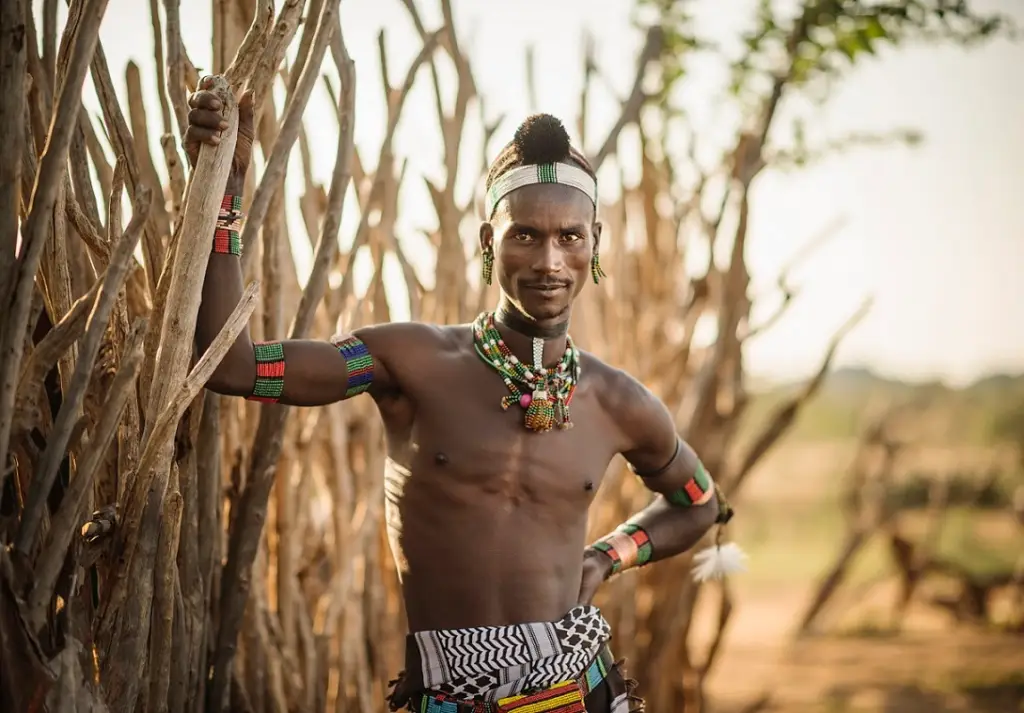
El pueblo Hadza, también llamado Hadzabe, es una pequeña tribu indígena que vive cerca del Lago Eyasi, en el norte de Tanzania. Hoy en día solo quedan unos 1.300 Hadza. Out of those, fewer than 400 still live the traditional hunter-gatherer lifestyle.
No utilizan herramientas agrícolas modernas, no crían animales ni almacenan alimentos. En su lugar, sobreviven cazando animales salvajes y recolectando frutas, bayas, raíces y miel del bosque. Los Hadza viven en pequeños grupos, la mayoría de unas 20 a 30 personas. Estos grupos están formados por familias y amigos cercanos. They live in simple huts made from sticks and grass.
A veces ni siquiera construyen refugios y simplemente duermen bajo los árboles cuando hace buen tiempo. No poseen tierras ni muchas pertenencias personales. Todo se comparte, y nadie es considerado más rico o más importante que los demás. Su vida es sencilla, pero llena de trabajo en equipo y confianza.
Nombres de la tribu Hadzabe
El pueblo Hadza es conocido por varios nombres diferentes, y cada nombre dice algo especial sobre su identidad e historia. El nombre más común utilizado hoy en día es Hadza, que significa «ser humano» en su propio idioma. Esta es la forma singular, que se usa cuando se habla de una persona de la tribu.
La forma plural de Hadza es Hazabee. Significa «son personas» o «son seres humanos». Otro nombre que podrías escuchar es Hazaphii, que significa «son hombres». Estos nombres forman parte del propio idioma de los Hadza y muestran cómo se describen a sí mismos y a los demás en su comunidad.
En el pasado, cuando los exploradores e investigadores europeos escribían sobre los Hadza, utilizaban grafías más antiguas como Hatza y Hatsa. Estas se usaron principalmente en registros alemanes de finales del siglo XIX y principios del XX. Aunque esas grafías ya no son comunes, todavía se encuentran en libros de historia antiguos y artículos científicos.
También es frecuente oír referirse a los Hadza como la tribu Hadzabe, especialmente en inglés y suajili. “Hadzabe” simply means “the Hadza people.” It is another respectful way to talk about the whole group.
¿Por qué es conocida la tribu Hadza?

Los Hadza son famosos en todo el mundo porque son una de las últimas tribus de cazadores-recolectores que aún viven hoy en día. Esto significa que su modo de vida ha permanecido prácticamente inalterado durante miles de años. Mientras que la mayoría de las sociedades se dedicaron a la agricultura, la construcción de ciudades y el uso de la tecnología, los Hadza se mantuvieron fieles a las viejas costumbres, viviendo directamente de la tierra.
Son conocidos por sus increíbles habilidades de caza. Los hombres Hadza utilizan arcos hechos a mano y flechas con punta de veneno para cazar animales como antílopes y aves. También rastrean animales utilizando señales en la tierra y sonidos en el aire.
Las mujeres son expertas en recolectar plantas silvestres, desenterrar raíces y trepar a los árboles para obtener miel. Uno de sus alimentos favoritos es el fruto del baobab, que está lleno de vitaminas y energía.
Los Hadza también son conocidos por sus fuertes valores comunitarios. No hay jefes, reyes ni patrones. Todos son iguales. Las decisiones se toman en conjunto y nadie es obligado a hacer nada.
Tampoco creen en almacenar más de lo que necesitan, lo que los mantiene cerca de la naturaleza y libres de la codicia. Su modo de vida nos enseña cómo vivían los humanos antes de que existieran el dinero, los trabajos o incluso las casas.
Esperanza de vida de la tribu Hadza
La vida en la naturaleza no es fácil, y el pueblo Hadza se enfrenta a muchos desafíos. La esperanza de vida media de la tribu Hadza es de entre 33 y 37 años. However, this number is not what it seems at first.
Muchos niños Hadza no sobreviven más allá de los 5 años debido a infecciones, falta de medicamentos o mala nutrición. Pero una vez que alguien de la tribu llega a la edad adulta, a menudo vive hasta los 60 o incluso 70 años, y se mantiene activo y saludable.
A diferencia de las personas en las ciudades que lidian con enfermedades cardíacas, diabetes u obesidad, los Hadza rara vez enfrentan estos problemas. Su dieta es natural, caminan kilómetros todos los días y no comen alimentos procesados. De hecho, los científicos estudian la salud de los Hadza para comprender qué necesitan los humanos para vivir vidas largas y saludables sin la medicina moderna.
Matrimonio en la tribu Hadza
En la tribu Hadza, el matrimonio no se rige por ceremonias formales o costumbres estrictas como en muchas otras culturas. Los matrimonios son en su mayoría informales, y los individuos son libres de elegir a sus parejas basándose en la atracción mutua o la compañía.
El concepto de matrimonio entre los Hadza es flexible, ya que muchas personas viven en una especie de acuerdo comunal, donde las relaciones no están ligadas por restricciones legales o sociales. Hombres y mujeres viven juntos y comparten recursos, pero el vínculo se basa más en la convivencia compartida que en el compromiso formal que vemos en otras sociedades.
Si una relación no funciona, cualquiera de las partes puede irse sin repercusiones sociales, lo que permite un enfoque fluido y desestructurado de las relaciones románticas.
El pueblo Hadza valora la libertad personal, y las relaciones evolucionan basándose en la elección personal más que en las expectativas sociales. Típicamente, un hombre ofrecerá a su futura esposa comida y refugio como parte de su vínculo mutuo.
Los Hadza también practican un cierto nivel de libertad sexual. Es decir, las parejas no están ligadas a una sola persona de por vida, y no es raro que hombres y mujeres tengan múltiples relaciones a lo largo de su vida.
El estilo de vida Hadza
La tribu Hadza lleva un estilo de vida único y ancestral, que gira en torno a su papel como cazadores-recolectores. Su supervivencia diaria está estrechamente ligada a la tierra y sus ofrendas. A diferencia de las sociedades que dependen de la agricultura, los Hadza recolectan plantas silvestres y cazan para satisfacer sus necesidades nutricionales.
La tribu Hadza lleva un estilo de vida nómada, lo que significa que se desplazan de un lugar a otro en función de la comida disponible en la región. Establecen refugios sencillos hechos de ramas y hojas cuando se asientan en una zona. Estas viviendas temporales están diseñadas para la flexibilidad, ya que la tribu no permanece mucho tiempo en un mismo lugar. La falta de hogares permanentes o grandes asentamientos es un aspecto significativo de su cultura.
Olor corporal de la tribu Hadza
El pueblo Hadza tiene un olor corporal distintivo, una consecuencia natural de su estilo de vida. Debido a su falta de acceso a comodidades modernas como jabón y desodorantes, su olor es básicamente un reflejo de su entorno.
La dieta de los Hadza juega un papel importante en su olor corporal. Consumen una dieta alta en proteínas de animales salvajes y una variedad de plantas, incluyendo tubérculos, bayas y miel. Los alimentos naturales que comen contribuyen a un olor más orgánico, libre de los químicos y aditivos artificiales que a menudo acompañan a las dietas modernas.
Además, la falta de baño o lavado regular de los Hadza contribuye a su olor corporal. Aunque ocasionalmente se limpian en fuentes de agua, su enfoque está en la supervivencia más que en la higiene tal como se entiende en las sociedades occidentales.
A pesar de esto, la tribu Hadza no ve el olor corporal de forma negativa. En su cultura, el olor corporal es una parte natural de quienes son y cómo viven.
Comida de la tribu Hadzabe
La dieta de la tribu Hadza se basa principalmente en la caza, la recolección y la búsqueda de alimentos. No cultivan ni siembran; en cambio, viven de lo que la tierra les ofrece. Los hombres cazan principalmente animales salvajes utilizando herramientas tradicionales como arcos y flechas, capturando animales como antílopes, cebras y aves.
Las mujeres de la tribu recolectan frutas silvestres, nueces, miel y tubérculos, y son especialmente hábiles para localizar miel, que es un alimento muy valorado en la comunidad Hadza. Su dieta es naturalmente rica en proteínas y vitaminas y minerales de las plantas que consumen. La variedad de alimentos que comen les ayuda a mantener una dieta equilibrada a pesar de no depender de la agricultura o los alimentos procesados.
La estacionalidad juega un papel importante en la disponibilidad de alimentos. Durante ciertas épocas del año, los alimentos de origen vegetal, como los tubérculos y las frutas, son abundantes, mientras que durante los períodos más secos, la caza se vuelve más esencial. Sus alimentos son frescos, orgánicos y libres de los conservantes y químicos que se encuentran en las fuentes de alimentos modernas.
Idioma de la tribu Hadza
El idioma hablado por el pueblo Hadza se llama Hadzane, y es único por ser un idioma aislado, lo que significa que no tiene relación conocida con ningún otro idioma. Se considera uno de los idiomas más antiguos que aún se utilizan hoy en día.
El Hadzane se caracteriza por sus sonidos distintivos, que incluyen clics que son raros en muchos otros idiomas del mundo. Los lingüistas han encontrado el idioma fascinante debido a su complejidad y aislamiento.
El Hadzane es básicamente un idioma hablado sin un sistema de escritura formal. La tribu Hadza valora las tradiciones orales, y gran parte de su conocimiento cultural, historia y relatos se transmiten verbalmente. Esta dependencia de la narración oral asegura que su cultura siga siendo vibrante, incluso frente a las presiones de la modernización.
¿Dónde vive la tribu Hadza?
La tribu Hadza reside en la región norte de Tanzania, principalmente alrededor del lago Eyasi, en el centro del Valle del Rift. Esta zona se caracteriza por su paisaje semiárido, con bosques dispersos y sabanas abiertas.
Los Hadza están muy adaptados al duro entorno, utilizando su conocimiento de la tierra para encontrar comida y refugio. Se encuentran principalmente en los distritos de Ngorongoro y Karatu, áreas que ofrecen abundantes zonas de caza y una variedad de plantas comestibles.
Los Hadza viven de una manera profundamente conectada con la tierra. No tienen asentamientos permanentes y, en cambio, llevan un estilo de vida nómada, lo que significa que se mueven de una zona a otra en busca de alimento.
Esta movilidad les permite preservar la tierra y sus recursos. Construyen refugios temporales con materiales locales como ramas y hojas, que pueden desmontarse y reconstruirse fácilmente.
Mujeres de la tribu Hadzabe
Las mujeres de la tribu Hadza desempeñan un papel importante en la supervivencia y el bienestar de la comunidad. Mientras que los hombres se centran principalmente en la caza, las mujeres son responsables de recolectar alimentos, especialmente frutas silvestres, nueces, tubérculos y miel. Son increíblemente hábiles para identificar plantas comestibles y encontrar alimentos que sustentan a la tribu durante todo el año.
La miel es una parte particularmente importante de su dieta, y las mujeres han desarrollado técnicas para localizar y recolectar miel de abejas silvestres. Las mujeres también contribuyen a la crianza de los hijos y a la organización social, asegurando que los niños aprendan las habilidades de supervivencia necesarias desde una edad temprana.
En términos de estatus social, las mujeres de la tribu Hadza gozan de una posición relativamente igual a la de los hombres, aunque los roles de género están claramente definidos. Las mujeres participan en el proceso de toma de decisiones y comparten la responsabilidad de mantener el buen funcionamiento de la tribu.
A pesar de su gran implicación en la recolección de alimentos y el cuidado de los niños, las mujeres también participan en actividades y celebraciones comunitarias. Sus contribuciones se consideran importantes para la supervivencia de la tribu, y su conocimiento de la tierra y los recursos es muy respetado.
Aunque viven en una sociedad diferente a muchas culturas modernas, las mujeres Hadza son fuertes, hábiles e integrales para el bienestar general de la tribu.
¿Puedes vivir con la tribu Hadza?
Vivir con la tribu Hadza es definitivamente posible, pero requiere la voluntad de adaptarse a un estilo de vida completamente diferente. Algunas personas, incluidos viajeros, investigadores e incluso celebridades, han pasado tiempo viviendo con los Hadza.
Por ejemplo, el artista y músico estadounidense David Choe vivió con ellos para escapar de la vida moderna y reajustar su mentalidad. Inicialmente, tuvo dificultades al quedarse en una tienda de campaña y comer comida moderna de camping, pero después de involucrarse completamente en su rutina diaria, comenzó a cazar con la tribu, a dormir en cuevas y a comer juntos del mismo recipiente. Con el tiempo, esta experiencia le ayudó a sentirse más conectado, pacífico y tranquilo, demostrando cómo el estilo de vida de los Hadza puede tener un efecto profundo en las personas.
Los antropólogos también visitan y viven regularmente con los Hadza para aprender sobre su cultura y estilo de vida. Investigadores como Marina Butovskaya, una etóloga humana, pasan semanas con la tribu para observar su modo de vida de cerca. Curiosamente, el estilo de vida de los Hadza es tan convincente que algunas personas de otras tribus de África eligen unirse a ellos. Adoptan rápidamente el modo de vida Hadza, llamándose a sí mismos Hadza, aunque no sean originarios de la tribu.
Esto demuestra que vivir con la tribu Hadza no se trata solo de supervivencia, sino también de encontrar paz y armonía con la naturaleza, lo que ofrece un estilo de vida sencillo pero satisfactorio.
Preguntas frecuentes
¿De qué país es la tribu Hadzabe?
La tribu Hadza es de Tanzania, un país de África Oriental. Viven en la parte norte del país, principalmente alrededor de la región del Lago Eyasi, que se encuentra en la parte central del país.
¿Dónde se encuentra la tribu Hadza?
La tribu Hadza se encuentra en el norte de Tanzania, particularmente alrededor del Lago Eyasi, en el distrito de Ngorongoro. Habitan una gran extensión de tierra en el Gran Valle del Rift. Es una región conocida por su paisaje y vida silvestre únicos.
¿Está sana la tribu Hadza?
La tribu Hadza se considera generalmente sana, especialmente en comparación con las poblaciones urbanas modernas. Su dieta es rica en alimentos naturales como frutas silvestres, miel, bayas y carne de caza, lo que les proporciona nutrientes. También llevan un estilo de vida activo, cazando, recolectando y moviéndose regularmente con las estaciones.
¿Cuál era la tasa de mortalidad de la tribu Hadzabe?
La tasa de mortalidad de la tribu Hadza es difícil de determinar con precisión, pero los estudios han demostrado que generalmente tienen tasas de esperanza de vida más bajas que las poblaciones modernas. Esto se debe en parte a la ausencia de atención médica moderna y a los riesgos asociados con la caza y la recolección.