

THE ADVENTURE BEGINS

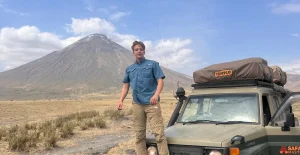
Traveller standing beside a 4x4 with rooftop tent below Ol Doinyo Lengai

Tell us what you love, and we’ll inspire you. All our tours are 100% customizable. So, ready to make your dreams a reality? Let’s talk.

Request a quote. It’s free and

without obligation.

Outline

Hadza Tribe

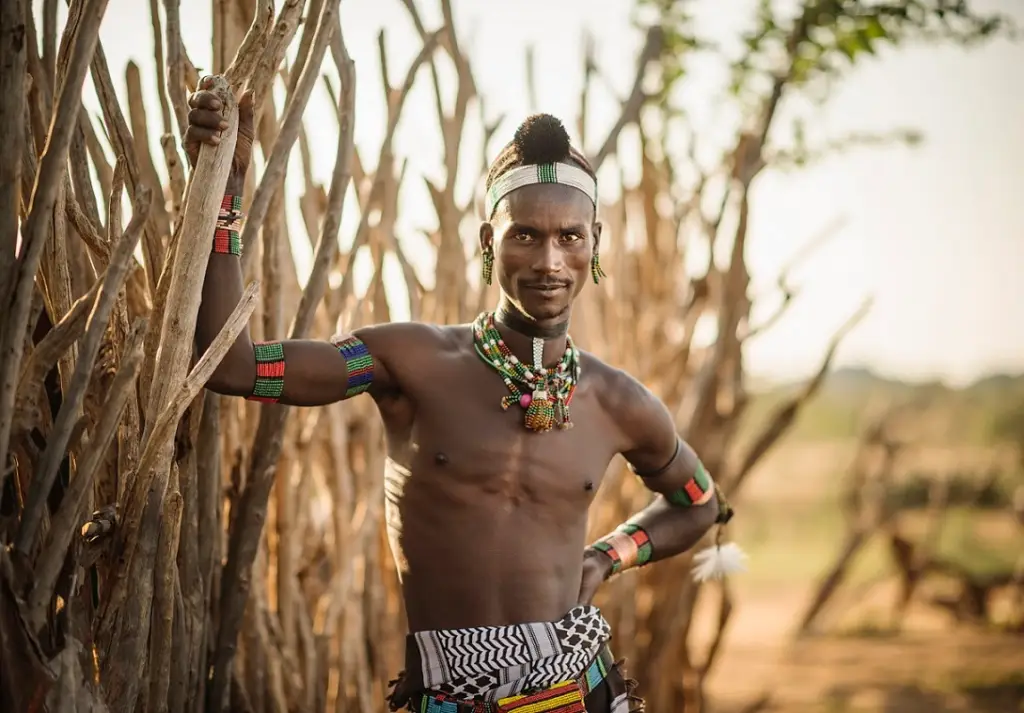
A man from the Hadza tribe with tribal tattoos stands confidently in front of a large tree in a natural setting.

The Hadza Tribe is one of the oldest and most unique tribes still living today. They live in northern Tanzania, near a place called Lake Eyasi, which is close to the famous Serengeti plains. Many travelers visit this region during their Tanzania safari to learn about the Hadza’s ancient way of life and deep connection with nature.

While the rest of the world has changed with cities, phones, and cars, but the Hadza have stayed close to nature. They live a simple life just like their ancestors did thousands of years ago.

What makes the Hadza truly different is that they are one of the last hunter-gatherer tribes in the world. This means they do not grow crops or raise animals like farmers. 

Instead, the men go out with bows and arrows to hunt animals, and the women collect wild fruits, roots, and honey. They do not live in one place for long. They move around, following where food and water are. Their way of life has stayed the same for a very, very long time.

People from all over the world are curious about the Hadza. Why? Because they show us how humans used to live before cities and machines. Scientists study them to learn more about our past. 

Travelers visit to see their strong traditions and how they live in peace with nature. Even though their life looks very different from ours, but the Hadza teach us something special – that happiness does not always come from things, but from living simply and staying connected to nature. You can experience this authentic way of life up close on our Cultural Tanzania Tours.

History of the Hadza Tribe

A group of Hadza Tribe members in traditional attire performing a lively dance in a natural outdoor setting.

The Hadza Tribe has lived in northern Tanzania, near Lake Eyasi, for over 50,000 years. They are one of the oldest known human groups still living today. Scientists believe the Hadza are direct descendants of the earliest humans who lived in East Africa. This area is often called the “cradle of mankind,” where the first human ancestors evolved.

The land where the Hadza live near Lake Eyasi is full of rocky hills, dry grasslands, and wild forests. Their ancestors lived there for generations, passing down their way of life, language, and traditions without writing anything down. They did not build big villages or empires. 

They lived in small groups, moved around with the seasons, and took only what they needed from nature. That is why they left very few things behind, and their history has mostly been shared through stories told by the elders.

During colonial times, when Germans and then the British ruled the area, the Hadza were mostly left alone because they lived in remote areas that were hard to reach. In the late 1800s, European explorers and missionaries started visiting the region. 

One of the first to mention the Hadza in writing was Dr. Wilhelm Kattwinkel, a German explorer, in the early 1900s. Later, in the 1930s and 1940s, British officials and anthropologists started studying the tribe more closely. 

Today, their way of life is rare and precious. The Hadza remind us of how human life began, and they still live the way early humans once did by trusting nature, sharing everything, and working together as a group.

All About the Hadza Tribe

Hadza People

The Hadza people, also called the Hadzabe, are a small indigenous tribe living near Lake Eyasi in northern Tanzania. There are only about 1,300 Hadza people left today. Out of those, fewer than 400 still live the traditional hunter-gatherer lifestyle. 

They do not use modern farming tools, raise animals, or store food. Instead, they survive by hunting wild animals and gathering fruits, berries, roots, and honey from the forest. The Hadza live in small groups, mostly about 20 to 30 people. These groups are made up of families and close friends. They live in simple huts made from sticks and grass. 

Sometimes they do not even build shelters and just sleep under trees when the weather is good. They do not own land or many personal things. Everything is shared, and no one is considered richer or more important than others. Their life is simple but full of teamwork and trust.

Hadzabe Tribe Names

The Hadza people are known by several different names, and each name tells something special about their identity and history. The most common name used today is Hadza, which means “human being” in their own language. This is the singular form, which is used when talking about one person from the tribe.

The plural form of Hadza is Hazabee. It means “they are people” or “they are human beings.” Another name you might hear is Hazaphii, which means “they are men.” These names are part of the Hadza’s own language and show how they describe themselves and others in their community.

In the past, when European explorers and researchers wrote about the Hadza, they used older spellings like Hatza and Hatsa. These were mostly used in German records from the late 1800s and early 1900s. Even though those spellings are no longer common, they are still found in old history books and scientific papers.

You will also often hear the Hadza referred to as the Hadzabe tribe, especially in English and Swahili. “Hadzabe” simply means “the Hadza people.” It is another respectful way to talk about the whole group. 

What is the Hadza Tribe Known For?

Members of the Hadza Tribe dressed in traditional attire are standing together, each holding a stick.

The Hadza are famous all over the world because they are one of the last true hunter-gatherer tribes still living today. That means their way of life has remained mostly unchanged for thousands of years. While most societies moved to farming, building towns, and using technology, the Hadza stayed with the old ways, living directly off the land.

They are known for their incredible hunting skills. Hadza men use handmade bows and poison-tipped arrows to hunt animals like antelopes and birds. They also track animals using signs in the dirt and sounds in the air. 

The women are experts at gathering wild plants, digging for roots, and climbing trees to get honey. One of their favorite foods is baobab fruit, which is full of vitamins and energy.

The Hadza are also known for their strong community values. There are no chiefs, kings, or bosses. Everyone is equal. Decisions are made together, and no one is forced to do anything. 

They also do not believe in storing more than they need, which keeps them close to nature and free from greed. Their way of life teaches us how humans lived before money, jobs, or even houses existed.

Hadza Tribe Life Expectancy

Life in the wild is not easy, and Hadza people face many challenges. The average life expectancy for the Hadza tribe is around 33 to 37 years. However, this number is not what it seems at first. 

Many Hadza children do not survive past age 5 because of infections, lack of medicine, or poor nutrition. But once someone in the tribe reaches adulthood, they often live into their 60s or even 70s, and they stay active and healthy.

Unlike people in cities who deal with heart disease, diabetes, or obesity, the Hadza rarely face these problems. Their diet is natural, they walk for miles every day, and they do not eat processed foods. In fact, scientists study the Hadza’s health to understand what humans need to live long, healthy lives without modern medicine. 

Hadza Tribe Marriage

In the Hadza tribe, marriage is not governed by formal ceremonies or strict customs as in many other cultures. Marriages are mostly informal, and individuals are free to choose their partners based on mutual attraction or companionship. 

The concept of marriage among the Hadza is flexible, as many people live in a form of communal arrangement, where relationships are not bound by legal or social restrictions. Men and women live together and share resources, but the bond is based more on shared living than on the formal commitment we see in other societies. 

If a relationship does not work out, then either party can leave without social repercussions, which allows for a fluid and unstructured approach to romantic relationships.

The Hadza people value personal freedom, and relationships evolve based on personal choice rather than societal expectations. Typically, a man will offer his future wife food and shelter as part of their mutual bond.

The Hadza also practice a level of sexual freedom. I mean partners are not bound to a single person for life, and it is not uncommon for men and women to have multiple relationships during their lifetime. 

The Hadza Lifestyle

The Hadza tribe lives a unique and ancient lifestyle, one that revolves around their role as hunter-gatherers. Their day-to-day survival is closely tied to the land and its offerings. Unlike societies that rely on farming, the Hadza gather wild plants and hunt game to meet their nutritional needs. 

The Hadza tribe leads a nomadic lifestyle, which means moving from place to place based on the food available in the region. They set up simple shelters made of branches and leaves when they settle in an area. These temporary homes are designed for flexibility, as the tribe does not stay in one place for long. The lack of permanent homes or large settlements is a significant aspect of their culture. 

Hadza Tribe Body Odor

The Hadza people have a distinct body odor, a natural consequence of their lifestyle. Due to their lack of access to modern conveniences such as soap and deodorants, their scent is basically a reflection of their environment. 

The Hadza’s diet plays a significant role in their body odor. They consume a high-protein diet from wild animals and a variety of plants, including tubers, berries, and honey. The natural foods they eat contribute to a more organic scent, free from the chemicals and artificial additives that often accompany modern diets.

Furthermore, the Hadza’s lack of regular bathing or washing contributes to their body odor. While they do occasionally clean themselves in water sources, their focus is on survival rather than hygiene as understood in Western societies. 

Despite this, the Hadza tribe does not view body odor negatively. In their culture, body scent is a natural part of who they are and how they live. 

Hadzabe Tribe Food

The Hadza Tribe diet is mostly based on hunting, gathering, and foraging. They do not farm or grow crops; instead, they live off what the land offers. Men primarily hunt wild animals using traditional tools like bows and arrows, catching animals such as antelopes, zebras, and birds. 

The women of the tribe gather wild fruits, nuts, honey, and tubers, and they are especially skilled in locating honey, which is a highly prized food in the Hadza community. Their diet is naturally high in protein and rich in vitamins and minerals from the plants they consume. The variety of food they eat helps them maintain a balanced diet despite not relying on agriculture or processed foods.

Seasonality plays a significant role in their food availability. During certain times of the year, plant-based foods such as tubers and fruits are abundant, while during drier periods, hunting becomes more essential. Their food is fresh, organic, and free from the preservatives and chemicals found in modern food sources.

Hadza Tribe Language

The language spoken by the Hadza people is called Hadzane, and it is unique for being a language isolate, which means it has no known relation to any other language. It is considered one of the oldest languages still in use today. 

Hadzane is characterized by its distinctive sounds, which include clicks that are rare in many other languages around the world. Linguists have found the language to be fascinating because of its complexity and isolation. 

Hadzane is basically a spoken language with no formal written system. The Hadza tribe values oral traditions, and much of their cultural knowledge, history, and stories are passed down verbally. This reliance on oral storytelling ensures that their culture remains vibrant, even as it faces the pressures of modernization. 

Where Do the Hadza Tribe Live?

The Hadza tribe resides in the northern region of Tanzania, primarily around Lake Eyasi in the central Rift Valley. This area is characterized by its semi-arid landscape, with scattered woodlands and open savannahs. 

The Hadza are highly adapted to the harsh environment by using their knowledge of the land to find food and shelter. They are primarily found in the Ngorongoro and Karatu districts, areas that offer abundant hunting grounds and a variety of edible plants. 

The Hadza live in a way that is deeply connected to the land. They do not have permanent settlements and instead live a nomadic lifestyle, which means moving from one area to another in search of food. 

This mobility allows them to preserve the land and its resources. They make temporary shelters from local materials like branches and leaves, which can be easily dismantled and rebuilt. 

Hadzabe Tribe Women

Women in the Hadza tribe play an important role in the survival and well-being of the community. While men primarily focus on hunting, women are responsible for gathering food, especially wild fruits, nuts, tubers, and honey. They are incredibly skilled in identifying edible plants and finding food that sustains the tribe throughout the year. 

Honey is a particularly important part of their diet, and women have developed techniques to locate and harvest honey from wild bees. Women also contribute to child-rearing and social organization, ensuring that the children learn the necessary survival skills from an early age.

In terms of social status, women in the Hadza tribe enjoy a relatively equal standing with men, although gender roles are clearly defined. Women participate in the decision-making process and share in the responsibility of keeping the tribe running smoothly. 

Despite their heavy involvement in gathering food and caring for the children, women also engage in communal activities and celebrations. Their contributions are seen as important to the tribe’s survival, and their knowledge of the land and resources is highly respected. 

Though they live in a society that is different from many modern cultures, the Hadza women are strong, skilled, and integral to the tribe’s overall well-being.

Can You Live With the Hadza Tribe?

Living with the Hadza tribe is definitely possible, but it requires a willingness to adapt to a completely different way of life. Some people, including travelers, researchers, and even celebrities, have spent time living with the Hadza. 

For example, American artist and musician David Choe lived with them to escape modern life and reset his mindset. Initially, he struggled by staying in a tent and eating modern camping food, but after fully involving himself in their daily routine, he began hunting with the tribe, sleeping in caves, and eating together from the same pot. Over time, this experience helped him feel more connected, peaceful, and calm, showing how the Hadza’s way of life can have a profound effect on people.

Anthropologists also regularly visit and live with the Hadza to learn about their culture and lifestyle. Researchers like Marina Butovskaya, a human ethologist, spend weeks with the tribe to observe their way of life up close. Interestingly, the Hadza’s lifestyle is so compelling that some people from other tribes in Africa choose to join them. They quickly adopt the Hadza way of life, calling themselves Hadza, even though they are not originally from the tribe. 

This shows that living with the Hadza tribe is not just about survival but also about finding peace and harmony with nature, which offers a simple yet fulfilling way of life.

FAQs

The Hadzabe tribe is from which country?

The Hadza tribe is from Tanzania, a country in East Africa. They live in the northern part of the country, mainly around the Lake Eyasi region, which is in the central part of the country.

Where is the Hadza tribe located?

The Hadza tribe is located in northern Tanzania, particularly around Lake Eyasi in the Ngorongoro District. They inhabit a large area of land in the Great Rift Valley. It is a region known for its unique landscape and wildlife.

Is the Hadza tribe healthy?

The Hadza tribe is generally considered healthy, especially compared to modern urban populations. Their diet is rich in natural foods like wild fruits, honey, berries, and game meat, which provides them with nutrients. They also live an active lifestyle, regularly hunting, foraging, and moving with the seasons. 

What was the mortality rate of the Hadzabe tribe?

The mortality rate of the Hadza tribe is difficult to pinpoint with precision, but studies have shown that they generally have lower life expectancy rates than modern populations. This is partly due to the absence of modern medical care and the risks associated with hunting and gathering. 
About the Author
Picture of George Joseph
George Joseph

Expert writer and climber specializing in Kilimanjaro and Tanzania safaris. As CEO of Kilidove Tours, I combine firsthand adventure experience with deep knowledge to craft inspiring content on mountain trekking and wildlife exploration across Tanzania.

Explore Tanzania—Where the Wild Comes Alive

Go on a thrilling Tanzania safari with expert guides from Kilidove Tours. Witness breathtaking wildlife, stunning landscapes, and unforgettable adventures. Book your safari today and discover Africa like never before!

Plan Your Next Safari Adventure With Kilidove Tours

Posted on Tripadvisor Tripadvisor
saschastoltenow profile picture
saschastoltenow
Tripadvisor star 1Tripadvisor star 2Tripadvisor star 3Tripadvisor star 4Tripadvisor star 5Verified
A life-time experience We were on a family trip to Tansania and through a recommendation for a Safari operator we got in contact with Kilidove. And what can I say: Right from the moment Sam, our guide for the first week, picked us up at Kilimanjaro Airport, we were complety immersed. And yes, we were tourists, but never really feeled like, but more as guests, with Sam beeing the perfect host - a true lover of the animals and nature, an excellent driver and very attentive and open to share his experiences.
Posted on Tripadvisor Tripadvisor
Jillian D profile picture
Jillian D
Tripadvisor star 1Tripadvisor star 2Tripadvisor star 3Tripadvisor star 4Tripadvisor star 5Verified
Incredible people! Trip of a lifetime! Kilidove is incredible!! We did the 6 day machame route on Kilimanjaro followed by a 4 day safari followed by 4 days in Zanzibar. The accommodations were amazing, the people were even better and we are both vegan and gluten free and they were able to accommodate (even on the mountain while camping). I cannot say enough good things about this company!! For the trek up Kili our chief guide was Colman and he was so kind, funny, and caring. Because of him we both had a successful and pleasurable experience summiting. He is an excellent guide! For our safari we had Jackson and we saw the big 5 plus every other animal you could think of. He was an excellent safari guide. We had one small hiccup on the trip in Zanzibar with a city tour that got cut a bit short. Notified the company and they were extremely apologetic, comped our dinner for the next 3 nights (which was completely unnecessary but much appreciated) and given a new tour guide for the next day. The trip then ran flawlessly. They most definitely made it right! They are amazing. I recommend kilidove to anyone and everyone for all your Africa adventures!!
Posted on Tripadvisor Tripadvisor
san profile picture
san
Tripadvisor star 1Tripadvisor star 2Tripadvisor star 3Tripadvisor star 4Tripadvisor star 5Verified
Best safari tour ever! We booked our honey moon with Kilidove and it was the best experience ever!We were super lucky to get Bony as our guide and he couldn’t have been better!!The overall experience was great, they care about sustainability and our guide was super respectful to wilde life!! 10/10 experience.Everything was well organized (transport, hotels, foods, itinerary) we didn’t have to worry about anything… only enjoying!
Posted on Tripadvisor Tripadvisor
mormon profile picture
mormon
Tripadvisor star 1Tripadvisor star 2Tripadvisor star 3Tripadvisor star 4Tripadvisor star 5Verified
Perfect job, and very trustful company to climb Kilimanjaro in a 6 people group Activity: climbing Kilimanjaro.We climbed Kilimanjaro in 7 days by the Machame road.Group of 6 people, with 3 guides 1 chef, 1 waiter and 18 porters (3/pax), which is the norm. Everything went well and we succeeded in our quest to the summit. The guides and all the Tanzanian people with us have been amazing, helpful, and nice ... Considering the lack of comfort and the difficulty of the ascension, we consider that they did a perfect job with the cooperation and the advice. Asante for everything you made for us, to make the dream coming true!!
Posted on Tripadvisor Tripadvisor
aborow profile picture
aborow
Tripadvisor star 1Tripadvisor star 2Tripadvisor star 3Tripadvisor star 4Tripadvisor star 5Verified
Mr. Bonny at Kilidove is Amazing! We had Mr. Bonny from Kilidove pick us up from our Arusha hotel and serve as a private guide for 3 nights in the Seregenti, and our return trip back to Arusha. Mr. Bonny was an incredible guide! He was so knowledgable about all the animals and everything we saw on our safari. It was clear how much he loved the animals and at home he was in the Serengeti, having grown up right outside the park. He was able to spot animals so far in the distance, and find the elusive leopard in the tree that no one else could find. Mr. Bonny was engaging, kind and an absolute pleasure to spend time with. It truly was sad to say goodbye to him. I have to also note that Mr. Bonny was a very safe driver. When driving to/from Arusha, we were stunned by the number of safari vehicles speeding by us on the unsafe and rocky dirt roads. Driving in Tanzania is not for the faint of heart, as we witnessed a few accidents, including some cows being hit by a public bus. We were so grateful to him and would highly recommend!
Posted on Tripadvisor Tripadvisor
Franziska profile picture
Franziska
Tripadvisor star 1Tripadvisor star 2Tripadvisor star 3Tripadvisor star 4Tripadvisor star 5Verified
Best safari experience! We spent our honeymoon in Tanzania for a 9 day safari trip in Tarangire, Lake Manyara, Serengeti and Ngorongoro national parks and it probably was the most incredible experience we had so far. The booking process was really comfortable and easy, Lisa answered all of our questions quickly and made the safari fit to all our wishes (not leaving the set budget out of mind).We especially want to thank our guide, Sam, for the amazing trip that was mostly his merit. He went above and beyond to ensure we got the most out of our trip. He had a profunde knowledge of all the locations and the wildlife and knew where the best spots for watching wildlife were. No wishes remained unfulfilled. Besides that, Sam was incredibly nice and a great (and hilarious) company during the long car rides. Everybody getting to do a safari trip with him can call themselves lucky!Thank you so much to the whole team, asante sana!
Posted on Tripadvisor Tripadvisor
PaulU561 profile picture
PaulU561
Tripadvisor star 1Tripadvisor star 2Tripadvisor star 3Tripadvisor star 4Tripadvisor star 5Verified
Superb in every way. Highly recommended and without hesitation! Choose Kilidove for the experience of a lifetime! We contacted Kilidove after an online search to find a company that could plan a month-long itinerary including Rwanda, Uganda, Kenya and Tanzania ending in Zanzibar to celebrate my 60th birthday. We received back a professionally presented proposal which we were delighted to find was a privately guided tour. Our only essential requirement was to see the mountain gorillas in Rwanda, but the proposal was comprehensive and varied including safaris as well as cultural experiences. We had to book our own international flights, apply for necessary visas and get certain vaccinations ourselves, but everything else was taken care of without a single hiccup. We stayed in a variety of accommodations from 5-star hotels and lodges to tented camps and they all enhanced our adventure in different ways. The main guides and drivers, Duncan, George and Boni were all professional, dedicated and enthusiastic. Our stand out experiences were obviously meeting the gorillas high up in the mountain in Rwanda, seeing the elusive leopard up a tree in Kenya, spending 90 minutes alone with a lion family complete with four cubs by a water hole in the Serengeti and two hours hunting with the Hadzabe tribe in Tanzania. There were many more, the cheetahs close up in the Maasai Mara and the hot air balloon ride, the many different bird species including huge flocks of flamingos and pelicans, the Karen Blixen Museum in Nairobi, the Genocide Memorial in Kigali, the cycling tour of Mto Wa Mbu, I could write a book! It was a very active holiday so it was nice to just chill out in Zanzibar for five days at the end. Everything was organised by the incredible Lisa Adams who was there to help with any questions via WhatsApp or email throughout the planning process and after we had arrived in East Africa. We were told there are 300+ safari companies in Arusha where she is based and for sure, without hesitation, we would highly recommend Kilidove to anyone. They were superb in every way. As well as that I have now clocked up my 87th country worldwide and my 13th African country. Thank you Kilidove for everything!
Posted on Tripadvisor Tripadvisor
Louise G profile picture
Louise G
Tripadvisor star 1Tripadvisor star 2Tripadvisor star 3Tripadvisor star 4Tripadvisor star 5Verified
A memorable outstanding safari to Kenya and Tanzania , Hakuna Matata We just came back from a wonderful , well planned and organized safari to Kenya and Tanzania for 12 days and with an additional 5 days in Zanzibar from October 6th to October 23rd 2023. We really want to thank Lisa Adams who helped us plan and coordinate this memorable, private safari and leisure time in these countries. We had marvelous, respectful , reliable and so knowledgeable guides and drivers. First, Kelvin Vinkar from Dove Africa, the sister company in Kenya, was on time at the airport and despite the fact that we missed our connection with Qatar airlines, everything turned out quite well with the airlines personnel and we were on time for our schedule to go to our first park Amboseli and to Kibo safari lodge for two nignts. Perfect, we had game drives on both days that were unbelievable with the Kilimandjaro that was so clear. We were able to see so many species of animals such as girafes, elephants, zebras, Thomson's gazelles ,antilopes, impalas, waterbucks, cheetahs and lions with all their beauty and living environment. The Kibo lodge was very comfortable with beautiful views of the Kilimanjaro. We continued our itinary to lake Nakuru, 9 hours of driving and stopping at the incredible Great Rift valley. We were so happy to visit the park as we saw 2 rhinoceros, mother and baby , we were at our 4 th big 5 already . We were a bit late to arrive at the Ziwa Bush Lodge that seemed to be very nice, so quiet and peaceful, the staff accomodated us so nicely for one night, The next morning we left for the Maassai Mara reserve and Olengoti eco lodge at Narok at the Talek river . What a reception on arrival we got by all the staff, an incredible 2 days , having breakfast and dinner with the hippopotams and crocrodiles and beautiful and memorable game drive to the awesome Maassai Mara reserve , The plains are so beautiful and the animals are incredible. We were able to visit a Maassai village near the camp, memorable time with these beautiful people and children. We learned so much of their culture and habits. Kelvin with his calm and patience drove us safely for 5 hours through massai mara reserve to the border of Tanzania. We didn't have trouble to pass the border and customs and Bonnie , Boniphace Sospiter our incredible guide for Tanzania was already waiting for us for the take over. We were heading to the Serengeti park north side to Gnu migration camp. We were the only visitors , what a service we had . With a little of rain but a real blessing as David said. Marvelous meals and attention from the staff, We already start with a game drive that was so wonderful in Serengeti parks with all the beautiful Gnus and Zebras and the next morning a leopard our 5th big five that was missing so far, Bonnie was so knowledgeable, sensitive , very helpful and very accomodating to all our needs and ensure we see animals in all their behaviors of calm or hunting. He ensure in every camp that we always had our lunch to all game drives on long days. We loved so much all the Mawe lodges that we visit along our itinary in Serengeti and Norongoro crater, Karatu and Tarangire national parks. All the teams and personel of the Mawe lodges are so welcoming, so nice and so handsome . We loved everyone we met. Bonnie drove us to the airport after 7 days of intense safari games but so memorable in the savanah . We flew for internal flight to Zanzibar with flight link and other driver Luqman was waiting for us, and drove us to Tembo hotel, in Stonetown, so beautiful and confortable on the beach with a wonderful view of the port. The next morning we were able to have a visit of stone town that was very interesting to learn the history and culture, the big market. We could visit the Freddy Mercury museum. After we left for Pongwe beach hotel for 4 days that concluded in peace and rest at the marvelous beach and resort with excellent cuisine. We will always remember this wonderful trip of East Africa and Zanzibar and we are so happy to have chosen Kilidove safari and tours for planning the trip as everything went so well , so safely and so well organized and the choices of the lodge or camp were so confortable and we ate everywhere so well with an outstanding service with amazing staff. Thank you to every one we met in this incredible journey and you will always remain in our hearts. Hakuna Matata. Louise and Serge from Montréal, Québec, Canada.
Posted on Tripadvisor Tripadvisor
Flyer46143703659 profile picture
Flyer46143703659
Tripadvisor star 1Tripadvisor star 2Tripadvisor star 3Tripadvisor star 4Tripadvisor star 5Verified
"Bucket List Brilliance" We 6 Seasoned Safari Enthusiasts were blown away by The Serengeti Experience. The best decision was adopting Kilidove Tours to hang it all together. Lisa, your Admin. Management was perfect. (even to the extent of organizing a Birthday Party Cake in the Bush). Then there was our Driver/Guide and Friend Bonny, You are simply "The Best".Asante-sana. Derek Fay (Cape Town).
Posted on Tripadvisor Tripadvisor
KatieCT045 profile picture
KatieCT045
Tripadvisor star 1Tripadvisor star 2Tripadvisor star 3Tripadvisor star 4Tripadvisor star 5Verified
5 Stars isn't high enough for Kilidove Tours My husband and I have recently returned from a 15-day private adventure designed and carried out by Kilidove Tours and Safaris. From start to finish this trip was planned and executed flawlessly thanks to the amazing team at Kilidove. On a scale from one to ten, they deserve a fifteen! I could write pages about our experience, but I will try to hit the highlights. From the first contact a year before our trip, Lisa Adams (Kilidove’s operations manager) responded to every question in a series of emails ranging from possible itineraries to vehicle maintenance. The result was the perfect trip that addressed every wish and concern on our list- safari start day in case of travel delays, safari locations, cultural experiences, snorkeling, and a beach retreat. Our safari guide mentioned several times how impressed he was with our personalized itinerary.Eleven months passed between the date we booked our trip and our departure for Tanzania. During that time whenever a question came up, I would send an email off to Kilidove and Lisa would respond immediately. We received guidance on packing lists, luggage limits, visa requirements, and availability of health services. All this information allowed us to be well prepared for our Tanzanian adventure.Once in Tanzania, each person we encountered did everything they could to make us feel at home and worked tirelessly to ensure we had the best experience possible. All the accommodations were clean and comfortable ranging from the Mawe tent lodges to the Zanzibar beach resort. Meals were tailored to an American/European pallet and the greatest care was taken to provide safe water and food in order to prevent any illness. Our drivers and safari guide were the most amazing people. The range of skills they possessed took us by surprise. They are professional drivers, multi-linguists, cultural ambassadors, and wildlife experts. Each one asked us what our wishes and desires were for our trip and work tirelessly to make sure we didn’t leave Tanzania disappointed. Above all they were warm and friendly people with whom we shared many laughs and special experiences. We are forever grateful to Johnson our Arusha guide, Luqman our Zanzibar guide, Habib our Stone Town guide and most importantly Samson our safari guide who showed us more of Tanzania then we could ever have imagined. Thank you all for your hospitality and kindness.Finally, I want to thank Lisa and everyone on the Kilidove team that made our dream vacation a reality. I know during our fifteen-day adventure she kept tabs on us, either through direct contact with me or one of our guides. She was always one step ahead of us making sure that transitions from one part of the trip to the next ran smoothly. I hope that I can return to Tanzania one day and I look forward to that time when we can work together once again.