


Tanzania travel advice helps visitors prepare for a smooth and worry-free trip. Planning ahead makes a huge difference once you land in this beautiful country. Every traveler has different questions before departure. Some worry about safety, while others focus on visas or vaccinations. This guide answers the most common questions travelers ask us. Consequently, you can pack your bags with full confidence.
Our Tanzania travel FAQs cover additional questions that may arise while planning.
Is Tanzania Safe for Tourists?
Safety remains the top concern for first-time visitors to Tanzania. Fortunately, Tanzania ranks among the safer countries in East Africa. Millions of tourists visit the national parks and coastline every year. Crime against tourists stays relatively rare, especially within organized safari settings.
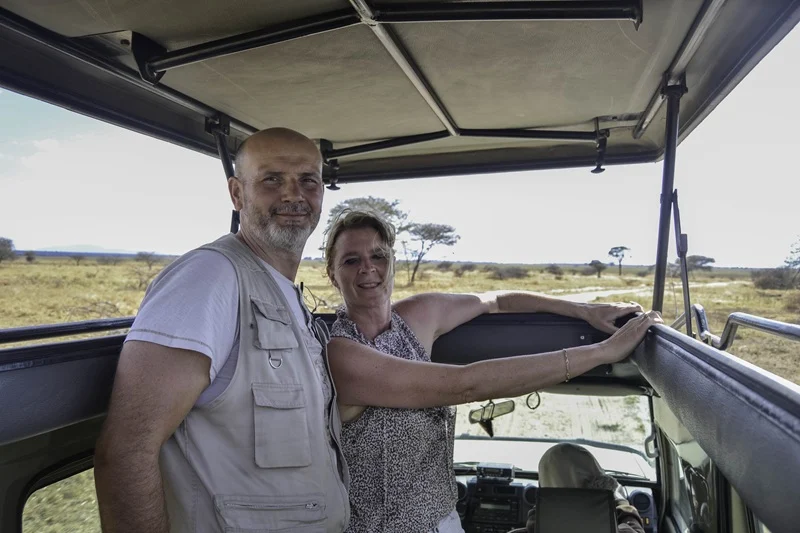
Traveling with an experienced local guide adds an extra layer of protection. Guides understand the terrain, wildlife behavior, and regional customs deeply. They also handle logistics, so travelers can relax and enjoy the journey. Basic precautions still apply, just as they would in any destination abroad. Keep valuables secure, stay aware of surroundings, and follow your guide’s instructions closely.
Tanzania’s Population and People
Tanzania recorded 61,741,120 people in the 2022 Population and Housing Census.
Tanzanians are widely known for their warmth toward visitors. Many travelers describe their interactions with locals as a trip highlight. Spending time with Maasai communities or village markets deepens cultural understanding. Therefore, meaningful connections often become the most memorable part of any Tanzania journey.
Visa Requirements for Tanzania
Most foreign travelers need a valid Tanzania visa to enter Tanzania. Applicants can submit their request through the official government visa portal. Alternatively, travelers may apply for a visa upon arrival at major entry points. This on-arrival visa remains valid for three months from the issue date.
Immigration officers sometimes request proof of onward or return travel. Standard visa fees run around 50 USD per person. Citizens of the United States typically pay a higher rate near 100 USD. Booking your trip through a knowledgeable travel partner simplifies this entire process significantly.
Passport Rules Before You Travel
Check passport-validity and blank-page requirements with immigration for your nationality and entry date. Renew a passport early if it may not meet those conditions.
Why Travel Insurance Matters
Comprehensive travel insurance protects against unexpected medical costs and trip disruptions. Tanzania offers incredible adventures, yet unforeseen situations can still arise anywhere. Insurance coverage should include emergency evacuation, since remote parks lack nearby hospitals.
Choosing a reliable insurance provider gives travelers genuine peace of mind. Many companies offer flexible plans tailored to adventure and safari travel. As a result, you can focus entirely on the wildlife and scenery ahead. Always review your policy details before finalizing any international booking.
Recommended Vaccinations for Tanzania
Health preparation plays an important role in safe travel to Tanzania. A yellow fever certificate becomes mandatory for travelers arriving from at-risk countries. This requirement also applies to anyone transiting through such regions for extended periods.
Beyond yellow fever, doctors often recommend vaccines for hepatitis A and typhoid. Hepatitis B protection is advisable for longer stays or specific activities. Routine vaccinations, including MMR and tetanus, should stay current as well. Consulting a travel physician weeks before departure ensures proper timing and dosage.
Time Zone Differences in Tanzania
Tanzania follows East Africa Time, which sits three hours ahead of GMT. This schedule stays consistent throughout the year, without seasonal clock changes. Travelers from Europe usually adjust quickly, since the time gap remains small. Visitors from North America should expect a more noticeable shift upon arrival.
Currency and Money Matters
The Tanzanian shilling serves as the country’s official currency. However, US dollars and euros are widely accepted at hotels and lodges. Carrying a mix of local currency and cash foreign currency proves useful. Credit cards work in many urban areas, though rural regions often prefer cash.
Exchanging money at official bureaus protects travelers from unfair rates. Additionally, keeping small denominations handy helps with tips and minor purchases.
Languages Spoken in Tanzania
Swahili and English serve as Tanzania’s two official languages. Swahili remains the primary language spoken across nearly every region. English, meanwhile, dominates within the tourism and hospitality sectors. Consequently, most guides, drivers, and lodge staff communicate comfortably in English.
Learning a handful of Swahili phrases enriches the travel experience further. Locals often appreciate the effort, even from casual greetings alone. This small gesture frequently opens the door to warmer, more genuine interactions.
Planning Your Tanzania Journey
Following this Tanzania travel advice prepares you for a confident departure. Every detail, from visas to vaccinations, plays a role in your comfort. Proper planning also reduces stress once you land at the airport. As a result, your energy stays focused on the adventure ahead.
Tanzania rewards travelers with unforgettable landscapes and rich cultural encounters. Whether you’re chasing wildlife or relaxing on the coast, preparation pays off. Reach out to our travel specialists for personalized guidance on your itinerary.
Read about food on safari as part of your trip preparation.
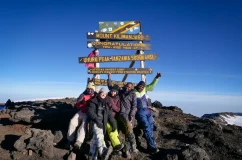
Adding Kilimanjaro to your Tanzania trip
A high-altitude climb needs preparation beyond an ordinary safari. Check the route, mountain days, personal equipment and insured activities before confirming travel. Use our Kilimanjaro difficulty guide, altitude sickness guide and packing checklist for the relevant planning questions. Discuss individual health concerns with a qualified clinician.
Compare the actual programmes on our Kilimanjaro climbing page and allow the arrival, briefing, descent and recovery time shown in your itinerary.