
















Zanzibar Island Guide
Zanzibar Island, also called Unguja, is part of Tanzania in the Indian Ocean. You can spend your visit between the beaches, Stone Town, spice farms and the island’s forest and marine habitats. Where you stay matters: the coasts have different tides, activities and travel distances.
This Zanzibar travel guide helps you choose an area, decide how much time to allow and work out the practical details. If you are ready to compare a stay, go to our Zanzibar holidays page.
Where Is Zanzibar, and Is It a Country?
Zanzibar is a semi-autonomous part of Tanzania, off the country’s east coast. It is not an independent country. The name can refer to the wider archipelago or, in everyday travel use, to its main island, Unguja.
Pemba is the other major island of Zanzibar. It has its own places to stay and transport arrangements, so booking a holiday on Unguja does not mean that Pemba is included. Mafia Island is another Tanzanian island destination, but it is separate from Zanzibar.
Stone Town is the historic quarter of Zanzibar City on Unguja’s west coast. It is not another name for the whole island. Knowing that distinction helps when comparing accommodation: a Stone Town hotel and a beach resort elsewhere on Unguja offer different stays.
Name you will see
What it refers to
Zanzibar
The region and islands, or commonly the main island in a holiday description
Unguja
The main island most visitors mean when they say Zanzibar Island
Pemba
Zanzibar’s other major island, requiring separate travel planning
Zanzibar City
The main city on Unguja’s west coast
Stone Town
The historic quarter within Zanzibar City
ZNZ
The airport code for Abeid Amani Karume International Airport on Unguja
Understand the Island Before Choosing Your Base
Think of your first Zanzibar trip in terms of a few areas rather than a long list of hotels.
Stone Town is on the west coast. Nungwi and Kendwa are in the north. Matemwe and Kiwengwa are on the northeast and east coast. Paje and Jambiani are farther south along the east coast, while Michamvi is a peninsula to their north. Jozani Forest is inland in the southern part of Unguja.
A map can make these places look close together. Road journeys still take time, and a day trip from the north to the southeast can use a substantial part of your day. Choose a base around the activities you most want, rather than assuming every attraction is a short outing from every hotel.
Which Area of Zanzibar Suits Your Trip?
Stone Town for History, Markets and Food
Stone Town suits visitors who want to walk through the historic quarter, visit markets and spend time in town restaurants. It can work as a short stay at the beginning or end of a beach trip.
The UNESCO-listed historic area reflects centuries of Swahili coastal trade and African, Arab, Indian and European influences. A guided walk can help explain that history, including the slave trade, beyond what you see in the buildings. Check access to individual museums and restoration sites when planning a visit.
Nungwi and Kendwa for a Beach-Focused Stay
These northern areas have a choice of beach hotels, restaurants and boat outings. They are a useful starting point if swimming access is important. Low tide generally restricts swimming less here than along much of the east coast, although the exact beach and conditions still matter.
Popular areas can be lively. Look at the property’s immediate setting as well as its room photographs if you prefer quieter evenings.
Matemwe, Kiwengwa and Pongwe for an East-Coast Base
These areas offer different beach settings and a mix of accommodation styles. They should not be treated as one identical stretch: a property near a village and a larger resort farther along the coast can feel quite different.
Tides are a key part of planning an east-coast stay. A pool may matter more if you want to swim whenever you choose, while your snorkelling departure point may matter more on a trip built around time offshore.
Paje and Jambiani for Beach Villages and Water Sports
Paje is known for kitesurfing, and both areas offer beach accommodation with places to eat around the villages. Wind, tides and the location of the hotel affect how you use the beach.
Choose a qualified instructor if you want lessons. A beach used for kitesurfing should not be assumed to offer the same conditions as a sheltered swimming area.
Michamvi and the Southern Coast for a Hotel-Led Stay
Consider these areas if the hotel itself is a main part of your trip. Settings vary between open beaches, bays and rocky coastline. The direction a property faces also matters if a sea-facing sunset is one of your priorities.
Our Zanzibar beach comparison goes into the individual beaches in more detail. For hotel choices and a proposed stay, continue to planning a Zanzibar holiday.
What Do the Tides Mean for Your Stay?
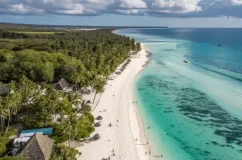
Zanzibar’s tides change the shoreline during the day. On many east-coast beaches, low tide exposes a broad area of sand, seagrass or reef flat. Reaching deeper water may involve a long walk, and walking out is not always a suitable or safe way to find a swimming spot.
The north often offers easier access to swimming water, but no coast is completely free of tides, currents or changing weather. A beachfront address alone does not establish the swimming conditions at a hotel.
Before choosing a property, look into its specific beach access, pool and local advice for the dates of your stay. For boat trips, departure times may follow the tide rather than your preferred breakfast time.
On a reef walk, follow a local guide, leave wildlife in the water and avoid standing on coral. Keep an eye on the return route as the tide changes.

How Many Days Do You Need in Zanzibar?
For a first visit, five to seven nights is a useful planning range if you want both a beach stay and time to explore. A shorter visit can work when you keep one base and choose fewer activities. More nights give you room for diving, a second coast or simply a slower pace.
Available time
Suggested approach
2 to 3 nights
Focus on one area; allow for the time lost to arrival and departure
4 to 5 nights
Choose one beach base with selected outings, or add a short Stone Town stay
6 to 7 nights
Combine Stone Town and the coast with some unplanned days
8 to 10 nights
Add time for an activity you want to repeat or a second base with a different purpose
A Simple One-Week Plan
For seven nights, consider two in Stone Town and five at one beach hotel. Use the town stay for a guided walk and a spice farm visit if they interest you. At the coast, choose one or two outings and leave the remaining days open.
You could reverse that order around your flights. A late arrival may suit a town stop first; a flight at the end of the trip may make a final town night useful. The aim is to reduce unnecessary journeys, rather than follow a fixed sightseeing sequence.
This is a planning example, not a priced itinerary or a claim that every activity is included. For a ready-to-discuss arrangement, see our Zanzibar holiday options.

What Can You Do Beyond the Beach?
Stone Town, spice farms and Jozani Forest offer different views of the island. A town walk focuses on history and daily life, a farm visit explains how spices grow, and a guided forest walk offers the chance to look for Zanzibar red colobus monkeys.
Offshore, snorkelling, diving and dhow outings depend on your starting point and sea conditions. A boat trip near Mnemba does not automatically include access to the private island. Check what the excursion actually covers before booking.
Prison Island, also called Changuu, and sandbank outings are other options from the Stone Town side. They are separate experiences with their own boat and visitor arrangements. Choose a few activities you want rather than combining distant stops just to complete a list.
Avoid excursions that depend on chasing, feeding or handling wildlife. An animal sighting should be an opportunity, not a promised encounter.
Our Zanzibar activities guide explains the choices. Divers can use the separate scuba diving guide for more focused planning.
When Should You Visit Zanzibar?
June to October is generally drier, and January and February are another commonly chosen period for beach travel. The long rains usually occur around March to May, with shorter rains often affecting November and December. Rainfall and the timing of seasonal changes vary.
For a beach stay, rainfall is only one factor. Wind, tides and sea conditions affect water sports and boat trips. If you are combining the island with a mainland safari, consider the park season as well.
The best time to visit Zanzibar guide covers the seasonal choices. It is more useful than assuming the same month works equally well for every coast and activity.
How Do You Get to Zanzibar?
Arriving by Air
Abeid Amani Karume International Airport, code ZNZ, serves Unguja. Your route may be an international arrival, a connection through another airport or a domestic flight after time on the mainland. Flight schedules change, so check the operating route for your dates.
If a safari flight forms part of the trip, check the actual departure airstrip, arrival time and baggage allowance. A small-aircraft sector can have different baggage conditions from your international flight.
Taking the Ferry from Dar es Salaam
Passenger ferries connect Dar es Salaam with Zanzibar City. Allow for travel to the terminal, check-in, the crossing and the transfer after arrival. Compare the whole journey with flying, rather than looking only at the ticket price.
Buy from the operating company’s official booking channel and review the sailing, baggage and weather conditions. Avoid treating a ferry arrival as a guaranteed connection to a flight with little time between them.
For arrival details, use our Zanzibar Airport guide.
Getting Around the Island
Private transfers and taxis can suit a visit where you want the route and collection time agreed in advance. Confirm the fare, destination and what happens if your arrival is delayed.
Dala-dalas, the local shared transport, offer a different way to travel but require more flexibility with luggage, stops and journey time. They may be less convenient for a tight flight connection or a family carrying several bags.
If you plan to hire a vehicle, check licence and permit requirements, insurance and the rental conditions directly. Choose transport around your plans and experience rather than relying on another visitor’s assessment of the roads.
What Should You Budget For?
Accommodation is only part of the total. Include transport to the island, road transfers, meals outside your hotel plan, excursions and any applicable visitor charges. Room rates may be quoted per room, while tours and packages may be priced per person.
An inexpensive hotel far from the activities you want can create extra transfer costs. An all-inclusive plan may suit a resort stay, but gives less value if you spend most days away and pay for meals elsewhere.
For a quote, state the budget for your group, the number of nights and whether international flights are already paid for. Our Zanzibar holiday planning page explains how to compare accommodation, meal plans and inclusions.
Food, Culture and Everyday Practicalities
Food and Meal Planning
Pilau, biryani, coconut-based dishes and seafood are part of Zanzibar’s food scene. Stone Town has markets and restaurants, while dining choices around a beach hotel depend on its location. Explain allergies and dietary needs before booking meals or an excursion.
Read our Zanzibar food guide for more detail. Choose drinking water and food from sources you trust, and seek travel health advice before departure.
Clothing and Local Customs
Zanzibar has a predominantly Muslim population. In towns and villages, choose clothing that covers shoulders and knees; keep swimwear for the beach and pool. Ask before photographing people, and follow guidance at religious sites.
Light clothing, sun protection and comfortable walking shoes are useful for a mixed beach and town trip. Bring what you need for your chosen water activities rather than packing for every possible excursion.
Money, Language and Staying Connected
The local currency is the Tanzanian shilling, TZS. Carry some local cash for smaller purchases and check card acceptance and fees before payment. Confirm the currency and payment method for any holiday balance in advance.
Swahili is widely spoken, and English is commonly used in tourism. Zanzibar uses East Africa Time, UTC+3.
Save hotel details, tickets, contact numbers and travel documents offline. Check mobile coverage or Wi-Fi at the property if staying connected matters to your plans.
Check Entry, Insurance and Health Requirements
Visa and passport requirements depend on your nationality and travel circumstances. Check the Tanzania Immigration portal and advice relevant to your passport before booking travel.
Mandatory inbound insurance is separate from an ordinary personal travel policy. Current UK government entry guidance, checked on 22 October 2026, distinguishes ZIC for Zanzibar-first arrivals and NIC for mainland-first arrivals for policies purchased after 1 October. It says only the policy for the first port of entry is needed. Check the current requirement for your route before buying a policy.
Review health and any transit-related requirements with an appropriate travel health professional. Keep confirmations available offline for arrival checks.
Safety and Choosing Excursions
Check current official travel advice before departure. Your hotel can also explain immediate local conditions, transport options and beach guidance.
Use established excursion providers and check the boat, safety equipment, itinerary and responsibility for the trip. Choose swimming spots with local advice, keep valuables secure and plan your transport back after evening outings.
Our Zanzibar safety article provides more background; current official advice should guide time-sensitive decisions.
Can You Combine Zanzibar with a Safari?
Yes. Zanzibar can be part of a trip that includes mainland Tanzania, but the wildlife safari takes place on the mainland. Seeing a safari described as starting in Zanzibar does not mean that Serengeti or Ngorongoro is on the island.
Allow enough time for the flight or other connection, the safari itself and the return journey. Use our Tanzania safari and Zanzibar page for routes and combined-trip planning.

Zanzibar Island FAQs
Unguja is the main island commonly called Zanzibar Island. Zanzibar also refers to the wider region, including Pemba and smaller islands. Check which island your accommodation and transport booking covers.
Yes. You can spend time in Stone Town, visit a spice farm, walk in Jozani Forest or simply stay at the beach. Choose your base around those interests rather than around an activity you do not plan to do.
Zanzibar is part of Tanzania rather than a separate visa destination. Your permission to enter and remain still depends on your passport, visa conditions and route. Insurance requirements are a separate check.
Stone Town suits history, markets and town dining; a coastal base suits beach time. If both matter, a short town stay and a longer beach stay can reduce repeated road journeys.
Yes, with separate transport and accommodation arrangements. Allow time for the connection instead of treating Pemba as an automatic day trip from an Unguja hotel.
The adventure begins
Ready to plan your East Africa safari?
Tell us what you love and our Arusha team will design a trip around it. Every tour is 100% customizable.
Free and without obligation. Or call +255 787 955 466
- 4.9/5 Tripadvisor
- 4.9/5 Google
- Travelife Certified
- 15+ years in East Africa