


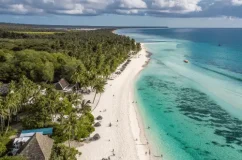


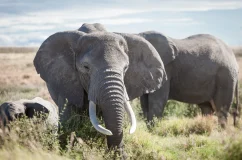

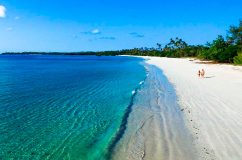


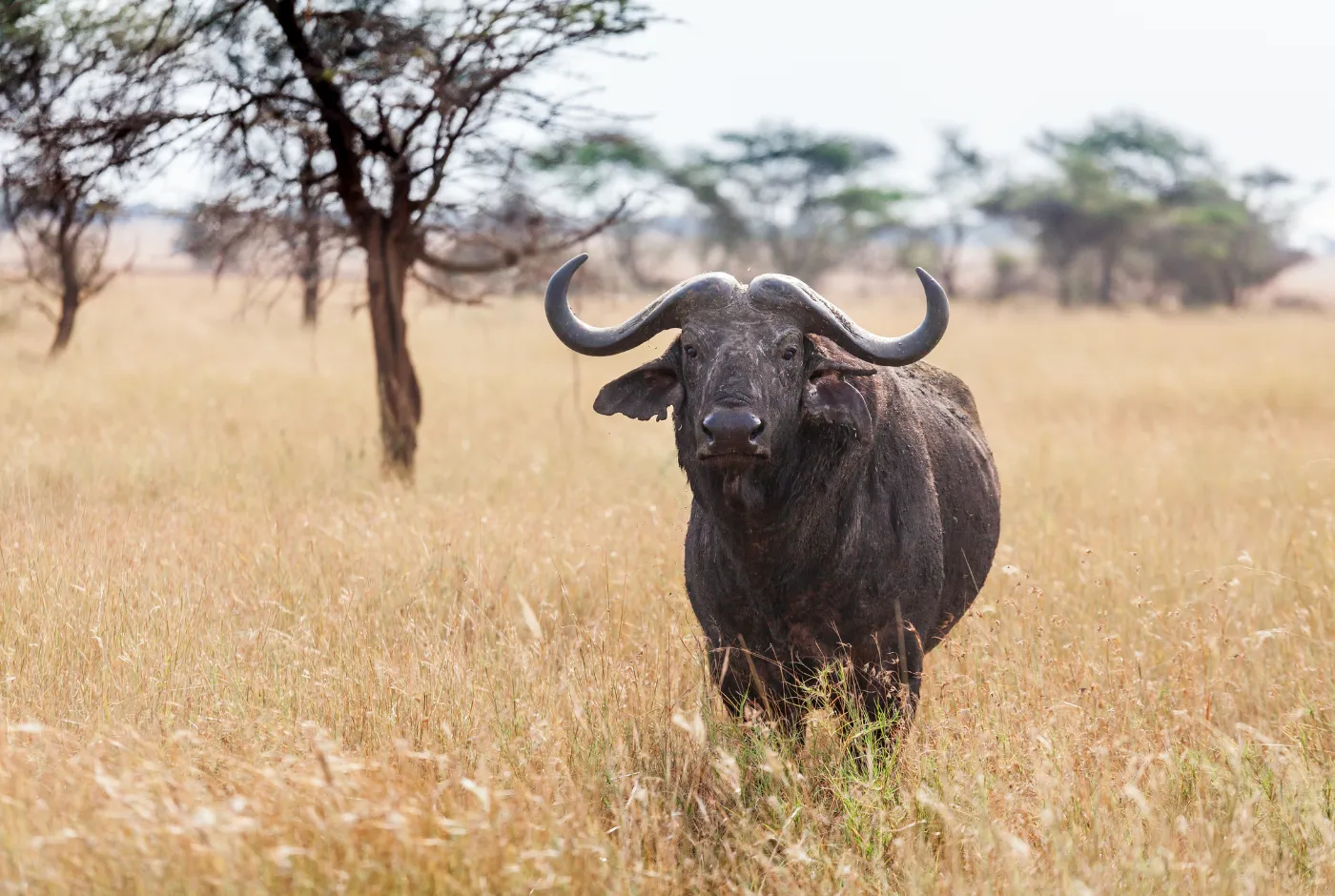
Tanzania weather really depends on where you’re standing. Head to the coast and it’s hot and sticky, the kind of humidity that makes an afternoon shower feel like a relief. Get up into the northern highlands and the air cools off fast. Daytime temps sit somewhere between 22 and 31°C most of the year, dropping to 10-22°C once the sun goes down. Zanzibar stays warm and tropical nearly all year, sitting as close to the equator as it does.
Rainfall patterns differ by region. Northern and eastern areas commonly have two rainy seasons; much of southern, western and central Tanzania has one longer wet season. Use the relevant region when planning dates.
Two Seasons, Not Four
Tanzania has only two seasons, wet and dry. The wet season shows up twice a year, which surprises people who expect one long rainy stretch. Short rains hit from late October to December. Long rains follow from late March into early June. Locals just call them the short rains and the long rains, no fuss about it.
Rainfall timing and duration vary. Heavy showers can affect roads and activities, so allow flexibility rather than assuming rain will clear by morning.
Tanzania Weather Month by Month
Average monthly conditions
|
Maximum
temperature |
Minimum
temperature |
Hours of
sun per day |
Days of rain
per month |
Amount of rain
per month |
|
|---|---|---|---|---|---|
| January | 28°C | 17°C | 7 | 17 | |
| February | 28°C | 17°C | 8 | 14 | |
| March | 28°C | 17°C | 7 | 17 | |
| April | 27°C | 17°C | 7 | 17 | |
| May | 26°C | 16°C | 7 | 8 | |
| June | 25°C | 13°C | 8 | 2 | – |
| July | 25°C | 13°C | 8 | 2 | – |
| August | 26°C | 13°C | 8 | 2 | – |
| September | 28°C | 14°C | 8 | 1 | – |
| October | 29°C | 16°C | 9 | 4 | |
| November | 30°C | 17°C | 8 | 10 | |
| December | 29°C | 17°C | 7 | 19 |
Should You Safari in the Rainy Season?
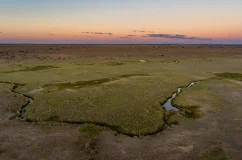
A lot of the wildlife documentaries you’ve watched, National Geographic included, were shot during the rainy season. There’s a reason for that. The place turns green almost overnight. Wildflowers show up. Animals have food everywhere, and the heat backs off just enough to make everything more comfortable, wildlife included.
Then there’s the money side. Safari and lodging prices drop noticeably during this window, and the parks empty out. Fewer vehicles, fewer people, more room to feel like you’re somewhere wild. It’s not all upside, though. A handful of lodges close for the season, and some roads get rough, mostly down south.
Wet-weather access depends on the park, roads, camp and current conditions. Confirm the specific itinerary and seasonal operating arrangements before booking; an open park does not guarantee that every road or activity is available.
What the Rain Does for the Wildlife
Water and fresh grass pull animals together in a way the dry season can’t match. Predators and grazers both benefit, and they seem more active when food and water are this easy to find. The cooler air helps too.
Bird watchers tend to love this stretch especially. Migratory species show up in numbers you won’t see the rest of the year. Quite a few of our past guests have told us their rainy season safari felt more personal than they expected, quieter, closer, without a line of vehicles at every sighting.
Picking Your Season
Dry season gets you the classic golden-grass look and the biggest wildlife concentrations. Wet season gets you lower prices, quieter parks, and scenery that looks nothing like the postcards.
Tell our team what matters most to you, crowds, budget, or that specific golden-hour photo, and we’ll help you land on the right month. We’ve walked enough guests through this to know it’s rarely a hard choice once you know what you’re optimizing for.