





















Yellow fever questions come up in almost every planning call we have about Tanzania safari. The short answer: Tanzania itself carries a low risk for yellow fever, so most travelers won’t need the vaccine at all. Below is what actually matters before you fly.

Do You Need a Yellow Fever Vaccine for Tanzania?
Certificate requirements depend on your route. Vaccination suitability and medical exemptions need individual travel-health advice, even when a certificate is not required for entry.
What Yellow Fever Actually Is
Yellow fever is a mosquito-borne virus, spread through bites rather than person-to-person contact. Symptoms usually show up three to six days after infection and include fever, chills, headaches, and muscle aches. It’s not something to brush off. Roughly 15% of people who catch it go on to develop a severe, potentially life-threatening illness. Tanzania just isn’t a place where you’re likely to run into it
Where the Requirement Actually Applies
Immigration only asks for proof of vaccination if you’ve arrived from, or transited through, a country where yellow fever is a known risk. No country in Europe or the United States falls on that list. The CDC keeps an updated list of high-risk African countries if you want to check your specific route ahead of time.
Tanzania’s yellow fever certificate rule applies to travelers aged 1 year and over arriving from a risk country, including airport transit of more than 12 hours there. Check your full route in current CDC entry guidance.
Getting Vaccinated, If You Need It
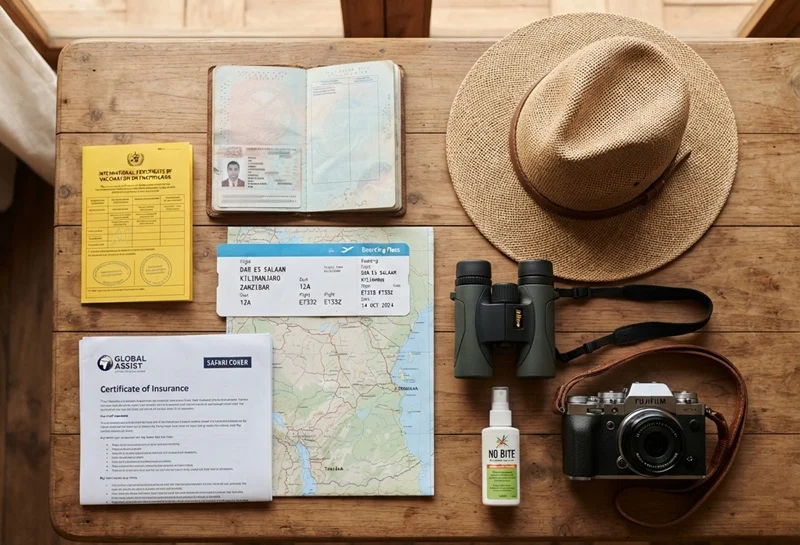
The vaccine comes as a single shot, given at least 10 days before entering a high-risk country. One dose is enough, and it protects you for life, so it’s not something you’ll repeat on future trips. Just make sure your doctor gives you documented proof of vaccination, since you’ll need to show it at the border.
If a doctor advises against the vaccine for health reasons, that’s not a dead end. Get an official letter explaining why, and immigration officers will typically accept it in place of proof of vaccination. Keep the letter with your travel documents in case you’re asked for it on arrival.
Still unsure whether any of this applies to your trip? Reach out to our team and we’ll go through your itinerary with you, route by route.