







THE ADVENTURE BEGINS

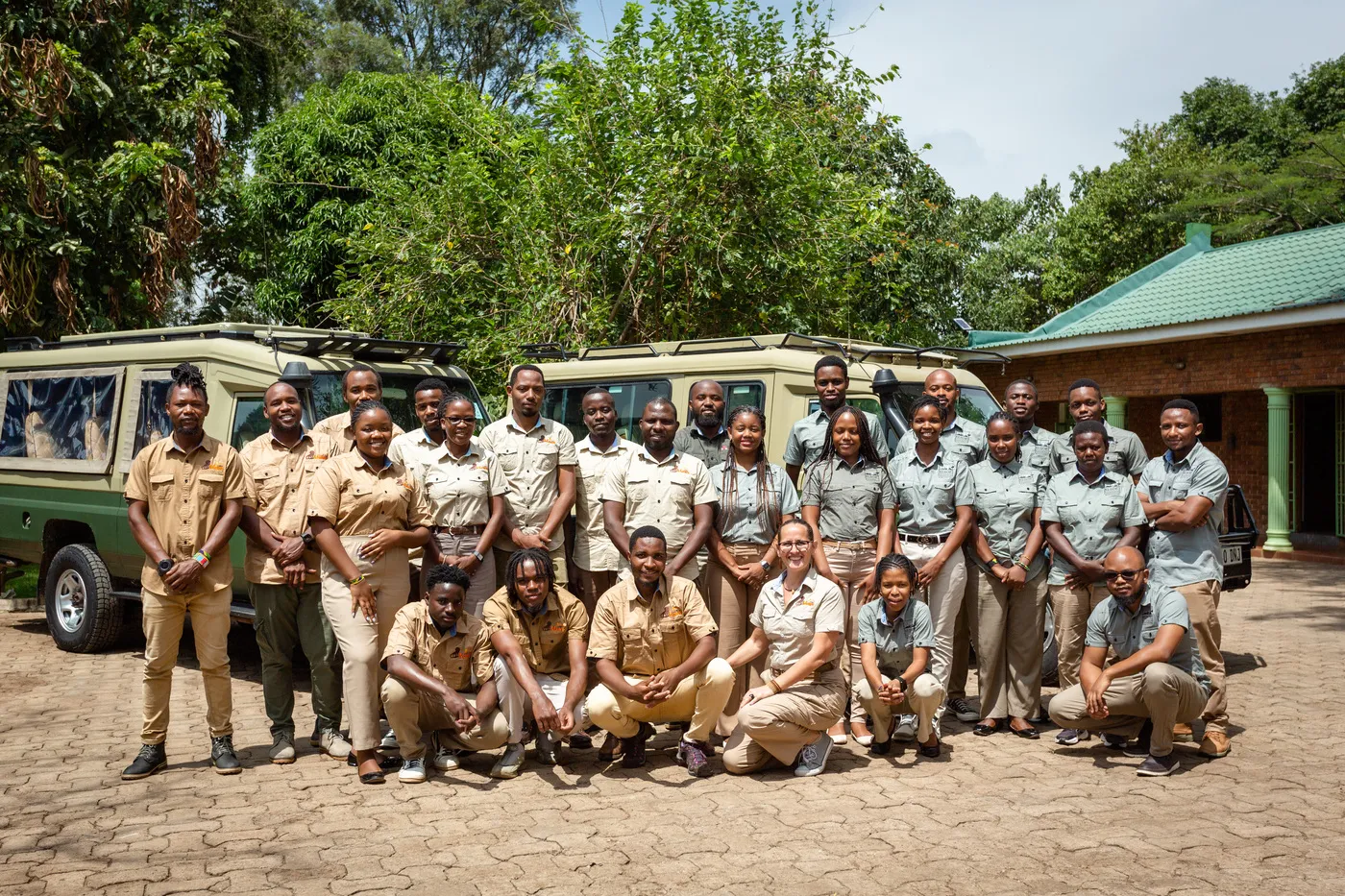
Andrea-team

Tell us what you love, and we’ll inspire you. All our tours are 100% customizable. So, ready to make your dreams a reality? Let’s talk.

Request a quote. It’s free and

without obligation.

Big five Safari Tanzania

Tanzania’s Big Five are the lion, leopard, elephant, black rhino, and buffalo. The Ngorongoro Crater is the only place in Tanzania where you can realistically spot all five in a single day. For the best odds across a full trip, combine Ngorongoro with the Serengeti and Tarangire over 4–7 days during the dry season (June–October).
{{filteredPosts.length}} results

No result found!

Filter safaris

Types

{{ tourType.name }}

Travel time

{{ travelTime.name }}

Price

{{ price.name }}
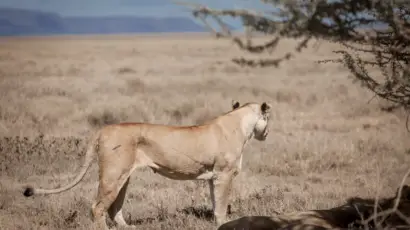
Seeing the Big Five in Tanzania isn’t about ticking boxes from the back of a safari vehicle. It’s watching a lioness freeze mid-stride at the scent of prey, finding a leopard draped over an acacia branch at golden hour, or rounding a bend in the Ngorongoro Crater to find a black rhino grazing twenty meters away. Few places on earth make all five animals this reachable in one trip and Tanzania is one of them.
Below, we break down what the Big Five actually are, exactly where and when to find them, and how to plan a trip that gives you the best realistic chance of seeing all five, not just three or four.
A majestic lion resting on a mound with a dry grassland background

What is Big Five Safari?

“Big Five” wasn’t coined by conservationists or wildlife photographers. Big-game hunters in colonial-era Africa used the phrase for the five animals considered the most dangerous to hunt on foot, not the five largest animals on the continent. Lions, leopards, elephants, rhinos, and buffalo earned the title through sheer unpredictability and the risk involved in confronting them at close range.
Today the term has nothing to do with hunting. It’s shorthand for the five most iconic wildlife sightings on an African safari, and Tanzania consistently ranks among the best places on the continent to find all five.
A rhinoceros moving within its enclosure at the Field of Entebbe, highlighting its distinctive features and natural environment.
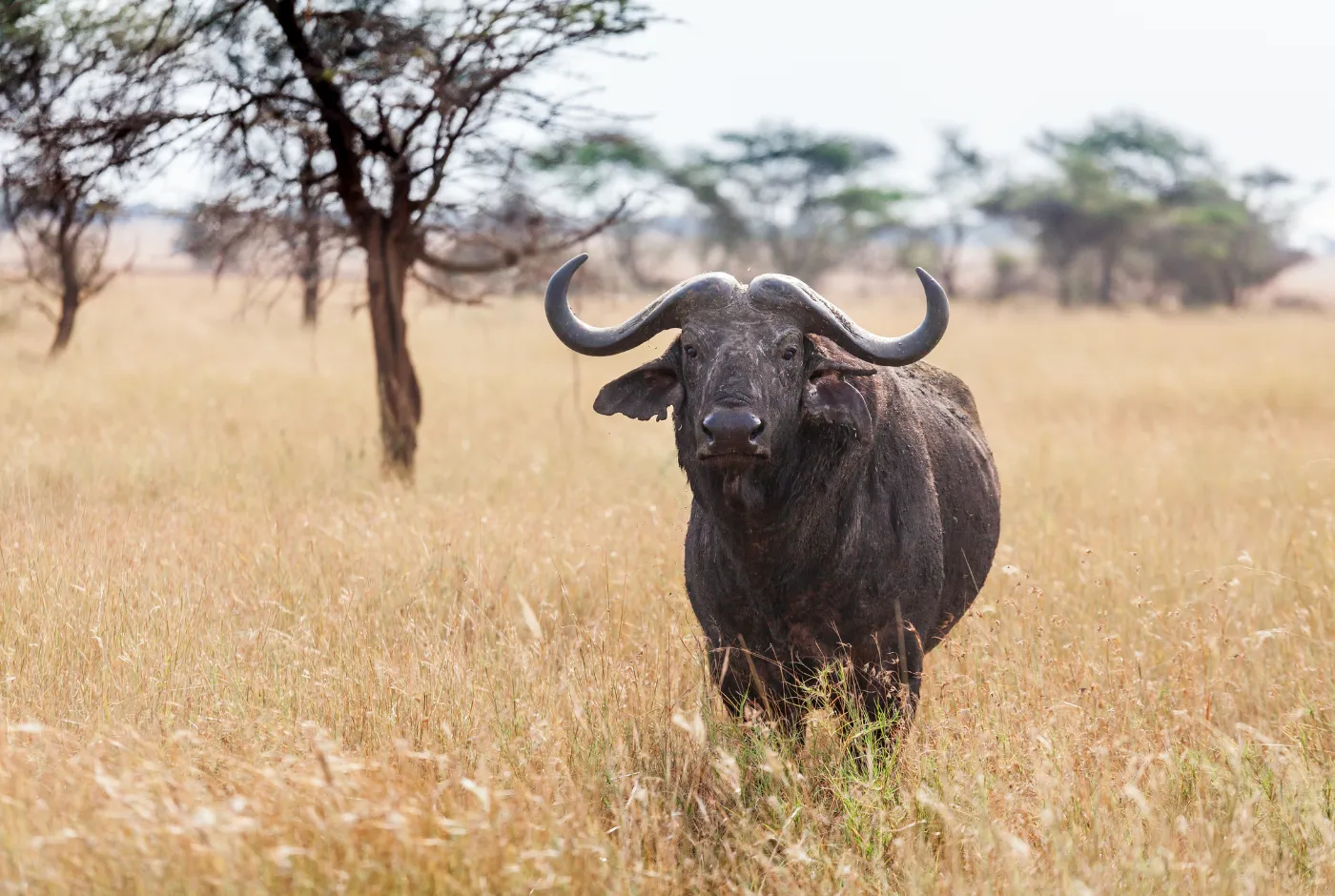
Buffalo in Tanzania During the 5 days safari from Arusha

Why Big 5 Safari in Tanzania With Kilidove Tours

Tanzania holds a few advantages that countries like Kenya or South Africa can’t match for a dedicated Big Five trip.

Tanzania holds the largest lion population in Africa, estimated at around 14,000 which is roughly 4–5x that of Kenya or Zambia. Tarangire alone holds some of the densest elephant herds in East Africa, especially in the dry season. It is easy to spot Large Buffalo herds across Ngorongoro, Serengeti, and Tarangire with minimal effort required. Leopards are can seen everywhere, but the Seronera region of the Serengeti is one of the more reliable leopard viewing areas in Africa. Black rhino are the hardest of the five to find anywhere on the continent. Ngorongoro Crater holds one of the only viewable populations in Tanzania
That last point matters more than people expect. Rhinos are rare across nearly all of Africa now, and most safari itineraries quietly skip them. A Tanzania itinerary built around the Big Five, specifically one that includes Ngorongoro, is one of the few realistic ways to see a wild black rhino at all.
If you want to do a real Big Five safari done right, Kilidove Tours is the name to trust. We have been running Big Five safaris in Tanzania for the last 18 years, and we know the parks, the seasons, and the best routes to get you close to all five animals without wasting time or money. We have Local guides, honest pricing, and real experience on the ground, that’s what makes us unique from others
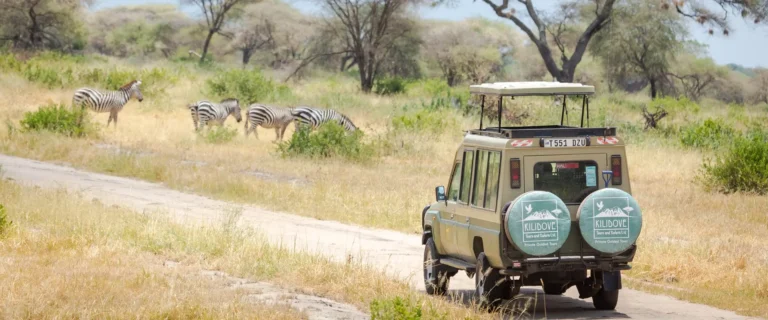
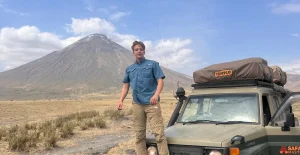
Guide Sam of Kilidove Tours during a Tanzania safari

Best Parks to See the Big Five in Tanzania

Ngorongoro Crater is the closest thing to a guaranteed Big Five sighting in one day anywhere in Africa. The crater floor is a self-contained ecosystem roughly 260 sq km wide, hemmed in by 600-meter walls, which concentrates wildlife into a space small enough to cover in a single game drive. It’s also the only place on most northern-circuit itineraries where black rhino sightings are realistic.
Serengeti is where the predator action lives. Lions, leopards, and the tail end of the Great Migration (depending on season) make this the park most safari-goers picture when they imagine Tanzania.
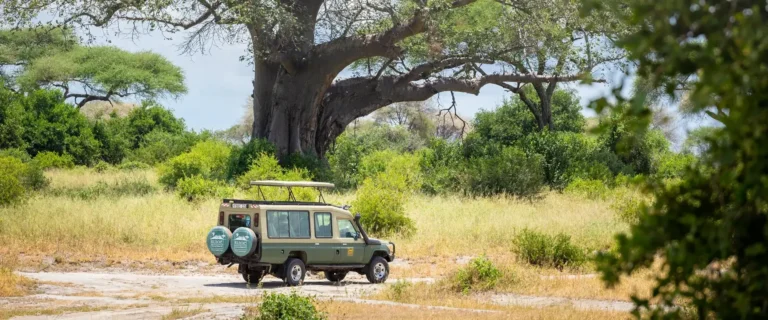
Tarangire rewards travelers who want fewer vehicles and more elephants. The Tarangire River never fully dries up, which pulls in huge herds during the dry season when other water sources disappear elsewhere.
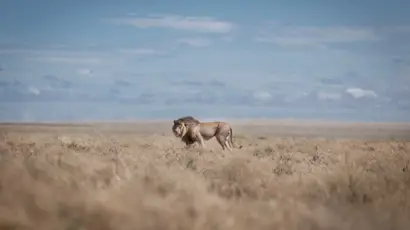
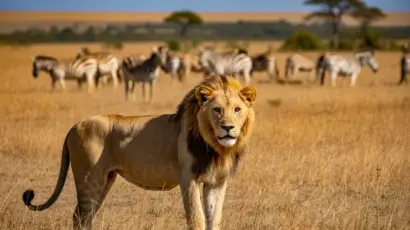
Lion male in Serengeti plain Captured by out tour Guide
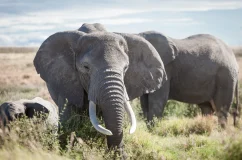
A herd of elephants grazing in Tarangire National Park, showcasing their majestic presence in the wild.

How Many Days Do You Need to See All Five?

This is the question almost no other safari page actually answers directly. It is the one that matters most when you are deciding how to spend your budget.
4 days — Realistic for seeing four of the five animals comfortably (lion, elephant, buffalo, and likely leopard) if your route includes Ngorongoro. Rhino sightings are possible but not guaranteed on a tighter schedule, since they depend on which part of the crater floor you happen to drive through. Our 4-day Tanzania safari (Arusha → Lake Manyara → Ngorongoro Crater → Tarangire) is built around exactly this route.
5 days — The sweet spot for most travelers. An extra day gives your guide more flexibility to chase a rhino sighting in Ngorongoro and spend real time in the Serengeti or Tarangire rather than rushing through. Our 5-day Tanzania safari (Arusha → Lake Manyara → Tarangire → Ngorongoro Crater → Arusha/Kilimanjaro Airport) covers all four major parks with breathing room.
7+ days — Near-certain odds of all five, with enough time to add the Serengeti in full, chase the migration if it’s in season, or fold in a cultural visit to a Maasai village or Olduvai Gorge without feeling rushed.

Can you see all five Big Five animals in one trip to Tanzania?

Yes. A 5–7 day itinerary that includes Ngorongoro Crater, the Serengeti, and Tarangire gives you a strong chance of seeing all five, though rhino sightings can never be fully guaranteed since they depend on the animal’s location on a given day.

When is the best time to see the Big Five in Tanzania?

The dry season, from June to October, offers the best overall odds because animals concentrate around shrinking water sources and visibility is high across all the major parks.

Tanzania Safari FAQ

How much does a Big Five safari in Tanzania cost?

Pricing typically starts around $1,000–$1,600 USD per person for a 4–5 day trip, depending on season, vehicle type (shared vs. private), and accommodation level, and tends to run $270–$330+ per person per day.

Is it better to do a private or group Big Five safari?

Private safaris give you more flexibility to wait out a sighting or adjust your route in real time, which matters most for spotting elusive animals like leopard and rhino. Group safaris are more budget-friendly and still deliver strong Big Five odds on a well-planned route.

What should I pack for a Big Five safari in Tanzania?

Neutral-colored clothing, binoculars, a camera with a reasonable zoom lens, sun protection, and layered clothing for cool early-morning game drives are the essentials most guides recommend.

Start Planning Your Tanzania Safari

Every itinerary above is built around the same goal: giving you the best realistic chance of seeing all five animals without wasting a single day of your trip. Browse the options above by travel time and budget, or tell us your dates and we’ll help you choose the right route.