












The best time to visit Zanzibar is June to October, when the long rains have cleared, the humidity drops and the beaches stay dry for weeks at a stretch. That said, the honest answer depends on what you actually want from the island. Divers get better water in February. Kitesurfers wait for the July winds. Budget travellers save real money in April and May. Our team has run Zanzibar trips out of Arusha since 2010, and we have watched guests arrive in a “perfect” month and still get the trip wrong, usually because nobody told them about the tides. So this guide covers weather season by season, then the things most timing guides leave out entirely.
When Is the Best Time to Visit Zanzibar? The Short Answer
Pick your month by priority, not by the calendar.
June to October. Dry, sunny, less humid, and the safest bet overall. Daytime highs sit near 28°C to 30°C. This window also matches the safari high season on the mainland.
January and February. Hot, dry and bright, with the year’s clearest water. Sea temperatures climb close to 29°C. Fewer crowds arrive than in August.
March to May. The wettest stretch, especially April. Prices fall sharply and some smaller hotels close.
November to mid December. Short rains bring quick afternoon showers. Mornings usually stay sunny.
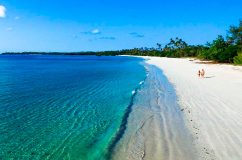
If you only remember one line, remember this. June to October gives you the most reliable weather, but January and February give you the best water.
Zanzibar Weather and Seasons Explained
Zanzibar sits about six degrees south of the equator, roughly 35 km off the Tanzanian coast. The climate stays tropical all year, so nothing here gets cold. Instead of summer and winter, the island runs on two rainy seasons and two dry ones. The pattern broadly follows the mainland Tanzania seasons, though the coast stays more humid.
The long rains, March to May
Rain arrives in earnest from mid March. April is the wettest month by a wide margin, often above 300 mm. Showers can last for hours rather than minutes.
The island turns green and quiet. Humidity climbs and the sea gets choppy. Some family run hotels shut for repairs during this period. Larger resorts stay open and drop their rates hard.
The dry season months, June to October
This is the stretch most travellers book. Rainfall drops to around 40 mm to 80 mm a month. The southeast wind keeps the air moving, so 29°C feels comfortable rather than heavy.
Skies stay clear for days at a time. Evenings cool down enough for dinner outside without sweating. July and August fill up fastest, so book early.
The short rains, November to mid December
Showers return in November, though they behave differently. Clouds build through the morning, then break in a sharp afternoon downpour. An hour later the sun returns.
Plenty of guests enjoy November. You get warm seas, thin crowds and lower rates. You simply plan beach time for the morning.
The hot dry window, January and February
The rains pause after the festive rush. February usually ranks as the hottest month, with highs pushing 33°C or 34°C.
Underwater visibility peaks now. Divers who care about clarity often prefer this window over August.
Best Time to Visit Zanzibar, Month by Month
Zanzibar in January
Hot, bright and dry. Highs reach roughly 32°C and the sea feels close to bath temperature.
Visibility underwater is excellent. Whale sharks are still around Mafia Island. Crowds thin out once the New Year guests fly home, so mid January onward gives you space.
Watch the northeast wind, because it pushes seaweed onto east coast beaches.
Zanzibar in February
The warmest month of the year. Expect highs near 33°C to 34°C and noticeable humidity by midday.
Diving conditions are the best all year, particularly off the south and southwest coasts. Stone Town slows down after lunch, so plan sightseeing for the morning.
February normally hosts Sauti za Busara, East Africa’s biggest music festival. Check dates before booking, since the 2027 edition moved to 19 to 21 March to avoid Ramadan.
Zanzibar in March
A month of two halves. The first two weeks often stay dry and hot. From mid March the long rains build.
Sea temperatures peak around 29°C. Prices start sliding as the season turns. If you accept some afternoon rain, early March offers strong value.
Zanzibar in April
The wettest month, and we will not pretend otherwise. Heavy afternoon and evening rain is normal, and skies stay grey for long spells.
Some boutique hotels close. Beach conditions suffer and the water clouds up. April suits travellers who want an empty island and the lowest rates of the year, and nobody else.
Zanzibar in May
Rain continues, but it eases through the month. By late May the sun breaks through more often and boats return to the water.
The island looks lush and feels calm. Late May is quietly one of the smartest value bookings on the calendar.
Zanzibar in June
The dry season starts properly. Humidity drops, skies turn reliably blue and highs settle near 29°C.
The southeast Kusi wind kicks in, which clears seaweed from the east coast beaches. Stone Town is pleasant for walking again. June is our own most recommended month for first time visitors.
Zanzibar in July
Consistently dry and comfortable, with highs around 28°C. Nights feel cool enough for a light layer.
Winds are strong now, which makes Paje and Jambiani excellent for kitesurfing. The Zanzibar International Film Festival usually runs this month, and Mwaka Kogwa, the Shirazi New Year, takes place at Makunduchi around 23 and 24 July.
Zanzibar in August
Peak season. The weather holds steady and the beaches get busy, especially with European families.
Humpback whales pass the coast during August and September. Book accommodation months ahead, because the best beachfront rooms sell out early.
Zanzibar in September
Many of our guides call this the sweet spot. The dry weather continues while August crowds disappear.
Turtle hatchings happen around now, and diving in the deeper channels near Mafia is very good. Rates soften slightly compared with August.
Zanzibar in October
Still dry, still warm, with calm seas and clear skies. Humidity starts creeping back late in the month.
Ocean temperatures begin rising again. Whale shark season opens around Mafia Island. October closes the reliable dry window, so it rewards late planners.
Zanzibar in November
The short rains arrive. Showers hit hard but pass quickly, usually in the afternoon.
The island feels local again. Fewer visitors, greener landscapes and softer prices. Mornings remain good for the beach.
Zanzibar in December
Rain usually eases in the first week. By mid month the island shifts back to dry, sunny days near 31°C.
Christmas and New Year bring the year’s highest prices and busiest beaches. Early December, before the rush, is a genuinely underrated pick.
The Two Monsoon Winds That Shape Your Trip
Most timing guides stop at rainfall. That misses half the story, because Zanzibar runs on two monsoon winds, and they change everything about your beach.
Kaskazi blows from the northeast, roughly December through March. It is the lighter wind, averaging around 14 to 20 knots. It also pushes floating seaweed onto the eastern beaches.
Kusi blows from the southeast, roughly June through September. It is stronger and cooler. It clears the east coast and creates the conditions kitesurfers chase.
So the practical rule works like this. During Kaskazi, from December to March, the north coast stays cleaner. During Kusi, from June to October, the east coast looks its best.
Nobody tells travellers this at booking, and it catches people out constantly.
Tides and Seaweed: Why Your Beach Matters as Much as Your Month
Zanzibar has two high tides and two low tides every day. On the east coast the difference is dramatic. At low tide the ocean can pull back several hundred metres, sometimes more than a kilometre.
That exposes seagrass beds, coral flats and sea urchins. Swimming from the shore becomes impossible for a few hours. Guests who booked Paje for a swimming holiday are often surprised.
None of this is a problem once you know. It simply changes which beach you choose.
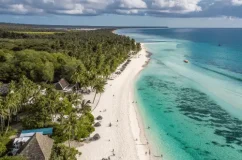
North coast, Nungwi and Kendwa. Minimal tidal change. You can swim from the beach at any hour, in any month. Choose this if swimming matters most, and compare the options in our guide to the best beaches in Zanzibar.
East coast, Paje, Jambiani, Matemwe and Pingwe. Big tidal swings. Superb for kitesurfing, walking the flats and watching the seaweed farmers work. Plan your day around the tide chart.
Southwest coast, near Kizimkazi. More coral cliff than sand, and the best dolphin access.
Bring water shoes if you stay on the east coast. Sea urchins are common and stepping on one ruins a day.
Best Time of Year to Visit Zanzibar Based on What You Want
Honeymoons
June to October, or January and February. You get calm evenings, dry skies and long sunsets. Late September is our quiet favourite, since prices ease and the weather still holds.
Families
July, August and December. School holidays line up with dry weather. Choose Nungwi or Kendwa so children can swim whenever they like.
Diving and snorkelling
February and March lead the year for visibility, especially along the south coast. September and October are strong alternatives with fewer divers in the water.
Kitesurfing
June to September, when Kusi delivers steady wind. Paje is the main hub and Jambiani offers a calmer version.
Wildlife in the water
Whale sharks appear around Mafia Island from October to February. Humpback whales pass in August and September. Dolphins swim off Kizimkazi through much of the year, though June to September and January to February are most reliable. Please book dolphin trips with operators who follow ethical distance rules.
The cheapest time to visit Zanzibar
April and May, without question. Rates drop steeply and the island is close to empty. November comes second, with better weather and moderate savings.
Pairing Zanzibar With Your Safari
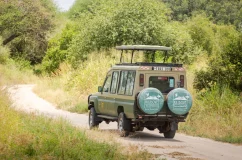
Most of our guests do not fly to Zanzibar alone. They finish a safari and come to the coast to slow down. Timing the two together takes a little thought.
With the Great Migration
The wildebeest herds cross the Mara River between roughly July and October, as we explain in our guide to the Great Wildebeest Migration. That overlaps perfectly with Zanzibar’s dry season. You watch river crossings in the northern Serengeti, then fly to the coast for a week of nothing.
Calving season runs through late January and February in the Ndutu area. It pairs neatly with Zanzibar’s hot, clear February water. Fewer travellers know this combination, which is exactly why we like it.
Our 7 day Tanzania and Zanzibar itinerary starts from 1,380 USD per person, and our 7 day Great Migration safari starts from 3,310 USD per person. If you want both halves in one booking, see our Tanzania safari and Zanzibar combinations.
With Kilimanjaro
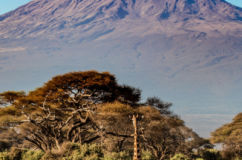
Climbers summiting Kilimanjaro usually go in January, February, July, August or September. All five months work well for a Zanzibar recovery week afterwards. Machame route climbs with us start from 2,470 USD per person.
Give yourself at least three nights on the coast after the mountain. Your legs will thank you.
Ramadan, Festivals and the Local Calendar
Zanzibar is a predominantly Muslim island, so Ramadan affects daily life. Many local restaurants close during daylight, and Stone Town gets quiet until sunset. Beach resorts continue serving normally.
The dates shift about 11 days earlier each year. In 2027 Ramadan falls across February and early March. Travelling then is perfectly fine, and Eid celebrations afterwards are wonderful, but you should know what to expect.
Worth planning around:
- Sauti za Busara, usually February, moved to 19 to 21 March for 2027. Stone Town, Old Fort.
- Mwaka Kogwa, 23 and 24 July, at Makunduchi village.
- Zanzibar International Film Festival, usually July.
- Clove harvest, roughly July through December, best seen on spice farm visits near Kizimbani.
Festival trips pair well with the rest of the island. Our roundup of things to do in Zanzibar covers Jozani Forest and the spice farms, and our guide to Zanzibar food explains what to order at Forodhani after dark.
Dress modestly in Stone Town and villages year round. Cover shoulders and knees away from the beach.
Prices Through the Year
Zanzibar rates move more than the weather does.
Peak. Mid December to early January, plus July and August. Expect the highest rates and minimum stay rules over Christmas.
High. June, September and October. Strong weather, slightly gentler pricing.
Shoulder. January, February, early March and November. Good value with genuinely good conditions.
Low. April and May. The deepest discounts of the year, sometimes 40 to 50 percent below peak.
Booking six to nine months ahead matters most for July, August and Christmas. For April and May you can often book late and still do well. Our Zanzibar holiday packages show what each season costs in practice.
What to Pack, and When
Light cotton and linen work all year. Beyond that, adjust by season.
June to October: pack a light jacket for evenings and a windproof layer for boat trips. March to May: bring a rain shell and quick dry clothing. January and February: focus on sun protection, since the midday heat is serious.
Everyone should bring reef safe sunscreen, water shoes for the east coast, insect repellent and modest clothing for Stone Town.
Mistakes We See Travellers Make
They book the east coast for a swimming holiday, then discover the tide. They come in April for a beach week and lose days to rain. They arrive in August without a reservation and settle for a poor room.
They also underestimate travel time. Stone Town to Nungwi takes about an hour and a half by road. Add buffer if you have a flight.
One more. Guests often give Zanzibar only three nights after a long safari. Five to seven works far better.
Frequently Asked Questions
What is the rainiest month in Zanzibar?
April takes it comfortably. Rainfall regularly passes 300 mm, and showers often last for hours rather than minutes. The sea turns choppy and underwater visibility drops. Some smaller hotels close for repairs, while larger resorts stay open at heavily reduced rates.
Is Zanzibar good to visit in December?
Yes, particularly from the middle of the month onward. The short rains ease and dry, sunny days return quickly. Daytime highs sit near 31°C. Christmas and New Year bring the busiest beaches and the steepest rates of the year, so book early.
When is the water clearest for diving in Zanzibar?
February and March give you the best visibility of the year, especially along the south and southwest coasts. September and October follow closely, with calmer channels near Mafia Island and noticeably fewer divers sharing the reef with you.
Can you swim in the sea in Zanzibar all year?
Yes. Sea temperatures range from roughly 25°C in August to 29°C in March, so you will never need a wetsuit. Your choice of beach matters more than your month, because east coast tides pull the water back several hundred metres twice a day.
Which month has the fewest tourists in Zanzibar?
April and May, without much competition. The island empties out and rates can fall 40 to 50 percent below peak season. The trade off is real, though, because these same weeks bring the heaviest rain on the Zanzibar calendar.
When is the best time to visit Zanzibar for a honeymoon?
June to October and January to February both work beautifully. You get dry evenings, calm seas and long sunsets over the water. Late September is our quiet favourite, because the August crowds have flown home while the weather still holds steady.
What is the best time to combine Zanzibar with a safari?
July to October pairs the Zanzibar dry season with Mara River crossings in the northern Serengeti. Late January and February works well too, matching calving season around Ndutu with the hottest, clearest water of the year on the coast.
Is one week in Zanzibar enough?
For a beach focused trip, five to seven nights suits most travellers well. Add three or four more nights if you want Stone Town, a spice farm and Jozani Forest without rushing. After a long safari, we suggest five nights minimum.
Does Zanzibar have malaria?
Risk exists throughout the year and rises slightly after the long rains. Speak to a travel clinic several weeks before departure about antimalarials. Pack a strong repellent, cover up after sunset, and use the mosquito nets your hotel provides. Our Tanzania travel advice page covers the rest.