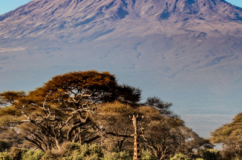




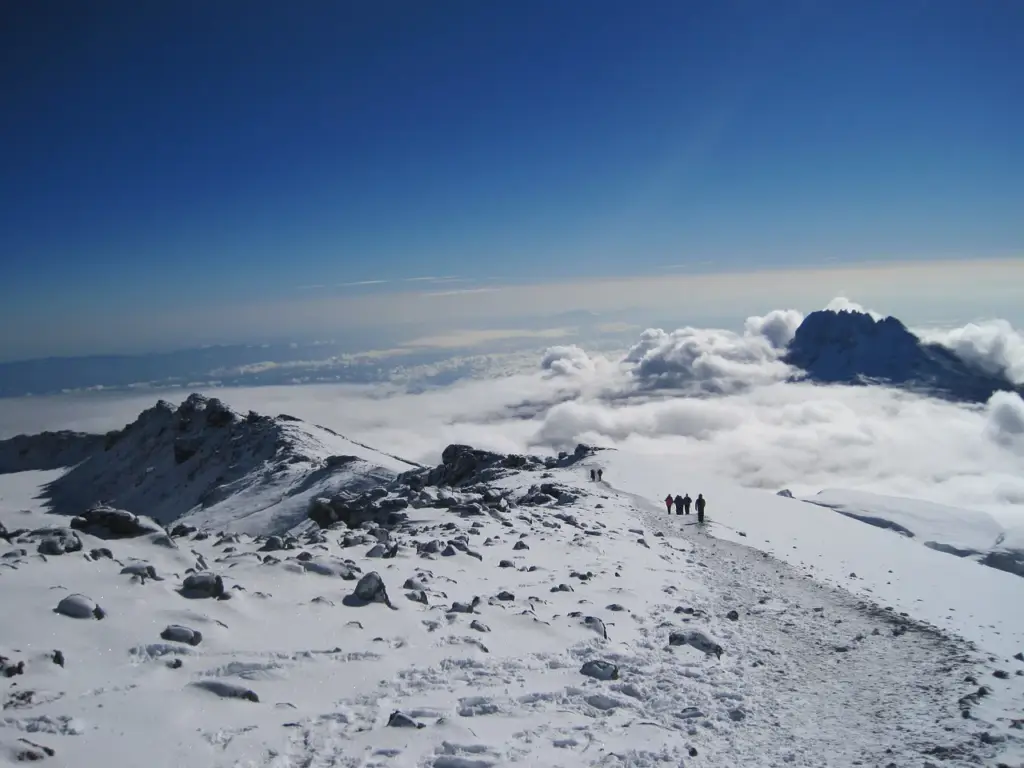
Altitude sickness can affect Kilimanjaro trekkers regardless of fitness. Ascending too quickly and insufficient acclimatisation increase risk. Learn the warning signs before departure, tell your guide about symptoms promptly and discuss individual prevention and medical questions with a qualified healthcare professional.
This is general travel information based on CDC high-altitude guidance, not an individual diagnosis or treatment plan. In an emergency, alert the guide team and follow the emergency and medical response immediately.
Recognising symptoms on the mountain
Acute mountain sickness can include headache with symptoms such as nausea, dizziness or unusual fatigue after ascent. Symptoms can overlap with other problems, so do not try to diagnose yourself from a checklist or dismiss a new headache as normal trekking discomfort.
Warning signs that need urgent attention
Confusion, difficulty walking or breathlessness at rest can indicate severe altitude illness and require urgent action. Tell the guide immediately. Severe altitude illness requires emergency medical response and descent; do not continue upward while waiting to see whether determination or fitness will overcome it.
What should you do if symptoms develop?
- Report symptoms immediately and clearly, including when they began and whether they are worsening.
- Do not ascend further with symptoms of altitude illness.
- Follow the guide team’s emergency plan and qualified medical instructions.
- Worsening symptoms or severe warning signs require prompt descent and urgent medical attention.
- Do not conceal symptoms to protect a summit attempt or an onward travel plan.
Acclimatisation and itinerary choice
Acclimatisation is the body’s adjustment to altitude over time. Review the pace of ascent and sleeping elevations before booking. Extra time may support a more gradual ascent, but no itinerary guarantees protection. Ask the operator how the proposed schedule manages altitude exposure and how decisions are made if a trekker becomes unwell.
Does training prevent altitude sickness?
No. Physical training builds walking endurance but does not prevent altitude illness. Someone who hikes regularly still needs an appropriate ascent schedule and a prompt response to symptoms. Use the training guide for walking preparation and individual clinical advice for health planning.
Medicines, hydration and personal health
Discuss any preventive medicines and their suitability with your own clinician before departure; this page does not recommend a dose or a prescription. Maintain normal hydration, but do not treat excessive water intake as protection against altitude illness. Tell the relevant professionals about existing conditions, medicines and any previous reaction to altitude.
Questions to ask before confirming a climb
- What are the daily sleeping elevations and acclimatisation stages?
- How does the guide team assess and respond to symptoms?
- What emergency equipment, communications and descent arrangements apply to this departure?
- Who authorises an evacuation and which costs may fall to the traveller?
- Does my insurer explicitly cover the itinerary, altitude, medical treatment, rescue and evacuation?
Read the insurance guide and check the policy wording directly with the insurer. Equipment listed online is not proof of what a particular departure includes; request the current arrangements in writing.
Preparing without a summit guarantee
Compare the programmes on our Kilimanjaro climbing page and route comparison. A willingness to turn around when necessary is part of planning a high-altitude journey. Health decisions take priority over the summit objective.