THE ADVENTURE BEGINS

Andrea-team

Tell us what you love, and we’ll inspire you. All our tours are 100% customizable. So, ready to make your dreams a reality? Let’s talk.

Request a quote. It’s free and

without obligation.

Climbing Kilimanjaro

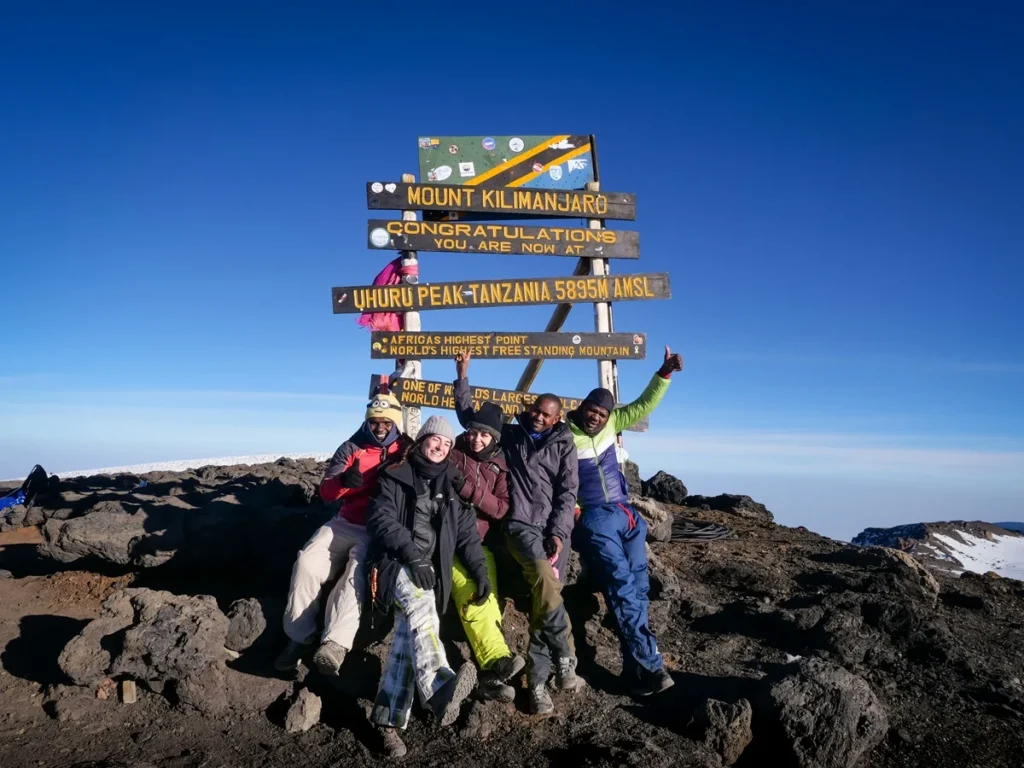
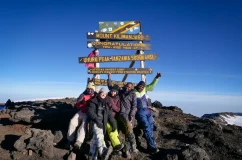
Climbing Kilimanjaro is a high-altitude trek to the summit of Mount Kilimanjaro, Africa’s tallest peak. This free-standing mountain rises 5,895 meters (19,341 feet) in northern Tanzania. The route needs no ropes and no technical mountaineering skills. Most reasonably fit travelers reach the top with proper acclimatization. Kilidove Tours has guided summit treks for more than fifteen years.

5 results
Lemosho Route
From $2,585 USD
  • All Supporting Crew
  • Park entrance fees
  • Arusha Big Tree Camp Shira Moir Hut Lava Tower - Barranco Karanga Barafu Summit Mweka Camp
View this trip
Rongai Route
From $2130 USD
  • All Supporting Crew
  • Park entrance fees
  • Moshi Nalemoru Simba Second Cave Third Cave Mawenzi Tarn Kibo Huts Summit Horombo Moshi
View this trip
Marangu Route
From $2050 USD
  • All Supporting Crew
  • Park entrance fees
  • Moshi Marangu Gate Mandara Horombo Mawenzi Ridge - Acclimitization Kibo Summit Horombo Marangu Moshi
View this trip
Umbwe Route
From $2100 USD
  • All Supporting Crew
  • Park entrance fees
  • Arusha Umbwe Barranco Karanga Barafu Summit Mweka Arusha
View this trip

Filter safaris

Routes

Lemosho
Machame
Marangu
Rongai
Umbwe

Days on the Mountain

5 Days
6 Days
7 Days
8 Days
9 Days

Price

Below $2,000
Above $2,000

Climbing Kilimanjaro at a Glance

What Is Climbing Kilimanjaro?

Climbing Kilimanjaro means trekking on foot to Africa’s highest summit. Mount Kilimanjaro sits inside Kilimanjaro National Park in Tanzania. The mountain is a dormant volcano with three cones, Kibo, Mawenzi, and Shira. Uhuru Peak crowns Kibo, the highest of the three. Hans Meyer and Ludwig Purtscheller first reached the summit in 1889.

The trek passes through five distinct climate zones. You start in farmland and rainforest at the base. Then you cross heath, moorland, and alpine desert. Finally, you reach the arctic summit zone with its glaciers. Because of this, a single hike feels like several worlds. For more background, read our guide on where Mount Kilimanjaro is located and how the mountain formed.

How Hard Is Climbing Kilimanjaro?

Climbing Kilimanjaro is challenging, yet it stays achievable for beginners. The climb is not technical, so no ropes or crampons are required. However, high altitude places real stress on the body. As a result, altitude sickness, not fitness, ends most failed attempts.

Longer routes give your body more time to adjust. Consequently, 7 to 9 day itineraries show the highest success rates. Summit night remains the toughest stage of the whole trek. You climb for roughly 10 to 14 hours toward the crater rim. Mental resolve often matters more than raw fitness here.

For a fitness plan, see our Kilimanjaro training guide.

How Long Does Climbing Kilimanjaro Take?

Most Kilimanjaro treks take 5 to 9 days on the mountain. The exact length depends on your chosen route. Marangu runs shortest at 5 to 6 days. The Northern Circuit runs longest at 8 to 9 days. Moreover, longer routes improve acclimatization and summit odds.

We usually recommend a 7 or 8 day climb. This length balances safety, scenery, and cost well. In addition, budget one buffer day before and after your trek. That extra day covers flight delays and rest.

Best Routes for Climbing Mount Kilimanjaro

Seven official routes lead up Mount Kilimanjaro. Each route offers a different balance of scenery, traffic, and success. Below, we compare the main options at a glance.

Machame Route

Machame is the most popular way of climbing Kilimanjaro. This trail starts in lush southern rainforest. It rewards trekkers with varied, dramatic landscapes. Choose the 7 day version for safer acclimatization.

Read our detailed Machame Route guide.

Lemosho Route

Lemosho begins on the remote western slope. It crosses the scenic Shira Plateau early on. Thanks to its gradual profile, success rates stay high. Many of our guides rate it the finest route overall.

Marangu Route

Marangu is the only route with hut accommodation. Climbers sleep in shared dormitory-style huts, not tents. It suits rainy-season climbs and smaller budgets. However, its shorter length lowers summit success.

Rongai Route

Rongai approaches from the quiet northern side. It receives far less rainfall than southern trails. Therefore, it works well during wetter months. Wildlife sightings add charm to the early forest stages.

Northern Circuit Route

The Northern Circuit is the longest trail on the mountain. It nearly encircles Kilimanjaro for panoramic views. Because ascent stays gradual, success rates top all routes. Choose it for maximum acclimatization and calm trails.

How Much Do Climbing Kilimanjaro Tours Cost?

Quality climbing Kilimanjaro tours usually cost $2,000 to $4,000 per person. This range covers a 6 to 8 day guided trek. It includes guides, porters, meals, and park fees. Budget operators start near $1,500 per person. Yet very low prices often cut safety and porter welfare. Premium climbs pass $4,000 for smaller groups and better gear.

Park fees alone form a large share of the total. Here is a typical breakdown for one climber.

For a full cost breakdown, read how much it costs to climb Kilimanjaro.

Best Time for a Kilimanjaro Hike

The best time for a Kilimanjaro hike falls in two dry windows. January to March brings cool, clear, and quieter trails. June to October brings sunny days and the busiest season. Both windows offer strong visibility and safer footing.

The long rains arrive from April to May. Short rains follow in November. These months bring mud, cloud, and slippery paths. Still, they suit trekkers who prefer solitude.

For month-by-month advice, see our guide on the best time to climb Kilimanjaro and climbing in July.

Acclimatization and Altitude on Kilimanjaro

Acclimatization is the single biggest key to summit success. Your body needs time to adjust to thin air. Therefore, we favor longer routes and slow ascents. Guides also follow the “climb high, sleep low” principle.

Drink 3 to 4 liters of water each day. Walk slowly, since “pole pole” means slowly in Swahili. Report any headache, nausea, or dizziness to your guide. Above all, never hide symptoms to keep pace.

Is Climbing Kilimanjaro Safe?

Climbing Kilimanjaro is safe with certified guides and a reputable operator. Most incidents trace back to altitude sickness or poor preparation. Good routes, trained guides, and proper gear reduce these risks sharply. In serious cases, guides arrange a fast descent or evacuation.

Our guides train as Wilderness First Responders. They carry emergency oxygen and full medical kits. Twice daily, they check oxygen levels and heart rate. Park rangers also support rescue when needed. Furthermore, Kilidove follows KPAP standards for fair porter treatment.

What to Pack for Climbing Mt Kilimanjaro

Smart packing keeps you warm, dry, and comfortable. You will cross tropical heat and freezing summit nights. As a result, a layered clothing system is essential. Pack light, yet never sacrifice warmth or waterproofing.

You can rent heavy gear locally to save luggage space.

For full checklists, see our Kilimanjaro packing list and best backpack guide.

What to Expect on Mount Kilimanjaro Hike

Life on Kilimanjaro follows a calm, steady rhythm. You wake early to warm tea and a hot breakfast. Then you trek 5 to 7 hours each day. Camp staff pitch tents and prepare energy-rich meals. On Marangu, you sleep in huts instead of tents.

Tipping Guides and Porters

Tipping is customary and expected on every climb. Most climbers tip $250 to $400 for the whole crew. The exact amount depends on group size and trek length. Climbers usually hand tips over in a group ceremony.

How to Get to Mount Kilimanjaro

Most climbers fly into Kilimanjaro International Airport (JRO). From there, Moshi town sits about a 50 minute drive away. Many climbs begin from Moshi or nearby Arusha. Major airlines connect JRO with Europe and beyond. We arrange every transfer, hotel, and briefing for you.

For travel details, read how to get to Kilimanjaro and our Kilimanjaro Airport guide. You can also explore things to do in Moshi before your trek.

Expert Opinion

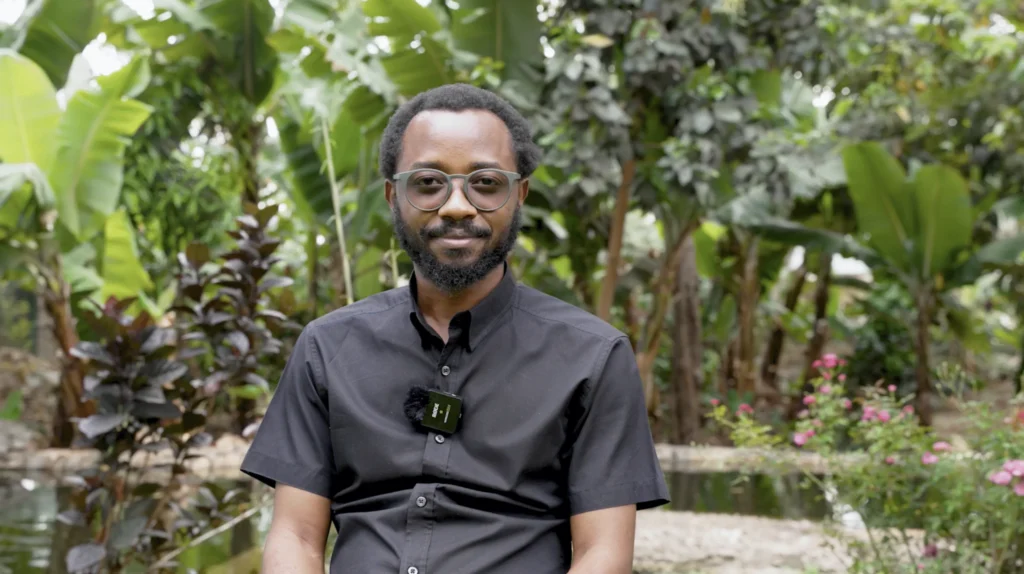
“The key to climbing Kilimanjaro is honest preparation. Train your endurance, legs, and core for several months. Invest in proper boots, warm layers, and a good backpack. On the mountain, stay hydrated and walk slowly. We will always pair you with a guide who knows the terrain. Remember, the goal is a safe summit, not speed.”

George, founder and mountain expert at Kilidove Tours. 

Why Climb Kilimanjaro with Kilidove Tours

Choosing Kilidove means climbing with certified, caring, and local experts. We have guided East African adventures for over fifteen years. Our guides train as Wilderness First Responders for real safety. Moreover, we follow KPAP standards for fair porter welfare. Every itinerary stays fully customizable to your pace and budget.

Ready to stand on the Roof of Africa? Plan your climb with Kilidove Tours. You can also pair your trek with a Tanzania safari afterward.

Frequently Asked Questions About Climbing Kilimanjaro

What fitness level do I need for climbing Kilimanjaro?

You need good general fitness and steady stamina. You should hike 6 to 8 hours with a daypack. Start training 3 to 4 months before departure. No technical climbing experience is required.

Can beginners go climbing Kilimanjaro?

Yes, beginners summit Kilimanjaro every single season. Proper acclimatization matters far more than prior experience. Choose a longer route and follow your guides closely. Build endurance with regular hiking beforehand.

How do I boost my summit success on Kilimanjaro?

Pick a 7 day route or longer for acclimatization. Train consistently and arrive well rested. Stay hydrated, eat often, and walk slowly. Then trust your guide on summit night.

What is the age limit for climbing Kilimanjaro?

The minimum age is 10 years with guide approval. There is no fixed upper age limit. Climbers in their 70s and 80s have summited. Always consult your doctor before booking.

What altitude sickness symptoms should I watch for?

Watch for headache, nausea, dizziness, and appetite loss. These mild signs are common at altitude. Severe symptoms include vomiting, confusion, or trouble walking. Report any symptom to your guide at once.

Do I need travel insurance for climbing Kilimanjaro?

Yes, comprehensive travel insurance is strongly advised. Your policy should cover high-altitude trekking to 6,000 meters. It should also include helicopter evacuation and medical care.

Are guides and porters required on every route?

Yes, licensed guides and porters are mandatory. They handle safety, navigation, meals, and gear. Never attempt Kilimanjaro without a registered operator.

Can I combine climbing Kilimanjaro with a safari?

Absolutely, and most travelers do exactly that. A safari pairs perfectly with your summit trek. Popular add-ons include Serengeti, Ngorongoro, and Zanzibar.

Start Planning Your Kilimanjaro Climb

Every trip is different. Every itinerary is built from scratch. And every guest gets the same response if something goes wrong on the mountain: someone picks up the phone.