




Umbwe Route
Conquer Africa’s Highest Peak on a 6-Day Kilimanjaro Climb via the Umbwe Route!
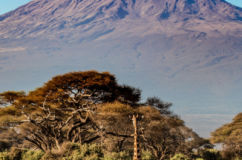
Embark on an exhilarating 6-day adventure to the summit of Mount Kilimanjaro via the challenging Umbwe Route. Known for its steep ascents, rugged terrain, and direct path to the summit, the Umbwe Route is ideal for experienced climbers seeking an intense and rewarding trek.
Your journey begins at Kilimanjaro Airport, where you’ll be welcomed and transferred to your hotel in Arusha for a pre-climb briefing. The next day, start your trek at the Umbwe Gate, hiking through the dense Tropical Mountain Rainforest. This lush environment is teeming with vibrant birds, monkeys, and towering trees draped in moss and lichen.
As you ascend, the trail becomes steep and demanding, transitioning into the Heather and Moorland Zone. Here, the vegetation gives way to stunning views of the mountain's towering ridges and dramatic landscapes.
The trek continues through the barren Alpine Desert, offering a stark but breathtaking view of the surrounding volcanic terrain. Along the way, you’ll pass iconic landmarks like the Lava Tower, which provides a valuable opportunity for acclimatization.
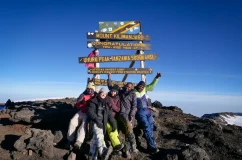
The final ascent pushes through the arctic summit zone, where extreme conditions test your endurance. Reaching Uhuru Peak, the highest point in Africa at 5,895 meters, is a triumphant moment with unparalleled views of the sunrise and the mountain’s glaciers.
After celebrating your summit achievement, descend via the Mweka Route, taking in different vegetation zones on your way down. Return to Arusha for a well-deserved rest and reflect on your incredible journey.
Choose from Standard, Comfort, or Premium trekking packages and embark on a challenging yet unforgettable adventure to the Roof of Africa. Book your Kilimanjaro climb today and conquer one of the world’s greatest trekking challenges!
-
How Fit Do I Need to Be to Climb Mount Kilimanjaro?
Climbing Mount Kilimanjaro is a challenging yet achievable goal for most people, but physical fitness plays an important role in your success. While you don’t need to be a professional athlete, it’s essential to prepare your body for the strenuous trek and high altitudes. Here's a guide to help you assess the level of fitness required for a Kilimanjaro climb.
1. Cardiovascular Endurance: Kilimanjaro's trek involves long, steep ascents that require good cardiovascular fitness. Aim for aerobic exercises like running, cycling, or brisk walking to build stamina. You should be able to walk continuously for 6–8 hours a day on varied terrain without becoming overly fatigued.
2. Leg Strength: Strong legs are key for managing Kilimanjaro's steep slopes, rocky paths, and altitude. Incorporate exercises like squats, lunges, and stair climbing into your fitness regimen to strengthen your legs and improve your endurance.
3. Altitude Preparation: The higher you climb, the less oxygen is available. While training at high altitudes is ideal, it’s not always possible. However, improving your overall fitness will help your body adjust better to the altitude. If you live at a lower elevation, consider hiking in higher terrains or using a stair climber or treadmill to simulate the elevation effects.
4. Stamina and Mental Strength: Kilimanjaro is as much a mental challenge as it is a physical one. Mental resilience is essential, especially when you're faced with fatigue, difficult weather conditions, and the demanding final ascent. Train your mind by simulating long hikes and pushing yourself through challenging conditions.
5. Weight and Flexibility: Carrying a reasonable body weight and improving flexibility can significantly reduce the strain on your joints and muscles. Maintaining a healthy weight and doing regular stretching exercises will help your body cope with the physical demands of the trek.
Kilimanjaro is a mountain that anyone in reasonable shape can summit with the right preparation. While you don’t need to be an expert hiker or an athlete, following a training plan to build strength, endurance, and mental resilience will help increase your chances of success. Remember, the climb is gradual, so proper acclimatization is just as crucial as physical fitness.
Start your Kilimanjaro adventure today by ensuring you are fit and prepared for the challenge of a lifetime. The journey to the summit begins with the right mindset and physical conditioning!
-
What Makes the Umbwe Route So Unique?
The Umbwe Route is often described as the most challenging and direct trail to the summit of Mount Kilimanjaro. Its unique features and characteristics make it a standout choice for adventurous trekkers. Here’s what sets the Umbwe Route apart:
- Steep and Demanding Trail: The Umbwe Route is renowned for its steep inclines and rugged terrain, making it one of the most physically demanding routes to the summit. This challenging ascent is perfect for climbers seeking a true test of endurance and determination.
- Unmatched Scenery: The route offers stunning views of the mountain's ridges, dramatic cliffs, and sweeping valleys. As you ascend, you'll be rewarded with ever-changing landscapes, from dense rainforest to the stark beauty of the alpine desert.
- Solitude and Seclusion: Due to its difficulty, the Umbwe Route is one of the least crowded trails on Kilimanjaro. Trekkers can enjoy a more tranquil and intimate experience, free from the crowds found on more popular routes.
- Rapid Altitude Gain: The route’s steep nature means quick elevation changes, which may pose acclimatization challenges. It is best suited for experienced climbers who are accustomed to high-altitude trekking.
- Direct Path to Barranco Camp: Unlike other routes, the Umbwe Route directly connects with the scenic Barranco Camp, offering incredible views of the towering Barranco Wall and the mountain's glaciers.
- Sense of Adventure: The rugged and untamed nature of the trail makes it a thrilling journey for those seeking an off-the-beaten-path adventure on Kilimanjaro.
While the Umbwe Route is not for the faint of heart, its combination of solitude, breathtaking scenery, and challenging terrain makes it a unique and rewarding choice for experienced climbers.
-
Essential Packing List for Climbing Mount Kilimanjaro
Preparing for a successful climb on the Rongai Route requires the right gear and clothing to tackle the varying weather conditions on Mount Kilimanjaro. From lush rainforests to the icy summit, this packing list covers everything you need to stay comfortable, safe, and ready for your adventure.
1. Clothing and Layering
Layering is key to staying warm and dry as you move through different climate zones. Here’s what you’ll need:
- Base Layers: Moisture-wicking long-sleeve shirts and thermal leggings.
- Insulating Layer: Fleece or down jacket for added warmth during cold nights.
- Outer Shell: Waterproof, windproof jacket and pants to protect against rain and wind.
- Hiking Pants and Shorts: Comfortable, quick-drying options for trekking through different climates.
- Gloves: Lightweight inner gloves and insulated, waterproof outer gloves.
- Hiking Socks: High-quality, moisture-wicking socks to prevent blisters. Bring several pairs.
- Hat and Balaclava: A wide-brimmed hat for sun protection and a warm beanie or balaclava for cold summit nights.
2. Footwear
- Hiking Boots: Sturdy, waterproof, and well-broken-in boots with good ankle support.
- Camp Shoes: Lightweight shoes or sandals to wear at camp after a long day of trekking.
- Gaiters: Protect your boots from mud, water, and loose rocks.
3. Sleeping Gear
- Sleeping Bag: A 4-season sleeping bag rated for -10°C (14°F) or lower.
- Sleeping Pad: Inflatable or foam pad for extra insulation and comfort on cold ground.
4. Daypack and Duffle Bag
- Daypack (25-35L): A comfortable daypack with a hydration system for carrying essentials like water, snacks, and extra layers.
- Duffle Bag (80-100L): For your main gear, carried by porters. It should be durable and waterproof.
- Dry Bags: To keep clothing and electronics dry inside your bags.
5. Essential Accessories
- Trekking Poles: Helpful for balance and reducing strain on your knees during steep ascents and descents.
- Headlamp: Essential for early morning summit treks. Bring extra batteries.
- Sunglasses: UV-protection sunglasses to shield your eyes from the intense sun at high altitudes.
- Water Bottles & Hydration System: At least 3 liters of capacity. Consider insulated bottles to prevent freezing at higher altitudes.
- Snacks: High-energy snacks like trail mix, energy bars, and dried fruits.
- Camera: To capture the breathtaking scenery, don’t forget extra memory cards and batteries.
6. Personal Health and Hygiene
- Sunscreen: SPF 30 or higher, plus lip balm with SPF.
- Toiletries: Biodegradable soap, toothbrush, toothpaste, wet wipes, and hand sanitizer.
- First Aid Kit: Include blister plasters, painkillers, altitude sickness medication, and any personal prescriptions.
- Water Purification Tablets: Optional but useful for treating water from natural sources.
7. Documents and Miscellaneous
- Travel Documents: Passport, visa, travel insurance, and vaccination records.
- Cash: Small denominations of USD for tips, souvenirs, and personal expenses.
- Notebook and Pen: For journaling your Kilimanjaro experience.
With the right gear, you'll be well-prepared for the challenges and rewards of the Machame Route climb. Ready to take on Kilimanjaro? Book your trek today and get one step closer to reaching the Roof of Africa!
-
Best Time to Climb Mount Kilimanjaro
Climbing Mount Kilimanjaro is possible year-round, but the experience varies greatly depending on the season. The best times to trek Kilimanjaro are generally during the dry seasons when the weather is more stable, offering clearer views and easier trails. Here’s a breakdown of the best months to plan your Kilimanjaro adventure:
1. January to March
This period is one of the best times to climb Kilimanjaro, especially if you prefer fewer crowds. The weather is usually mild, with clearer skies and warmer temperatures. The lower slopes are lush due to recent rains, but you might experience some occasional short rain showers.
- Pros: Quieter trails, clear skies, and pleasant temperatures.
- Cons: Slight chance of afternoon rain, especially at lower altitudes.
2. June to October
This is the peak trekking season on Kilimanjaro. These months coincide with the long dry season, providing the best conditions for climbing. The weather is more predictable, with very little rain, making it ideal for those seeking a reliable and comfortable climb.
- Pros: Dry weather, clear views, and the best summit success rates.
- Cons: The most popular months, meaning busier trails.
3. April to May (Rainy Season)
These months are considered the rainy season on Kilimanjaro, with heavy rainfall at lower elevations and snow on the summit. While climbing is still possible, the trails can be muddy, slippery, and less enjoyable. This period is best suited for experienced trekkers looking for a challenge.
- Pros: Fewer climbers and lush, green landscapes.
- Cons: Wet and slippery conditions, reduced visibility, and colder temperatures.
4. November to December (Short Rains)
This period marks the short rainy season, with occasional brief showers. It's still possible to climb, but the weather can be unpredictable. The trails are quieter compared to the peak season, making it a good option for those looking to avoid crowds.
- Pros: Less crowded trails and beautiful scenery after the rains.
- Cons: Some trails may be muddy, with higher chances of rain.
Overall Recommendation: For the best experience, plan your Kilimanjaro climb during the dry months of January to March or June to October. Ready to take on the challenge? Book your Kilimanjaro trek today!
-
What Is the Success Rate for Climbing Kilimanjaro via the Umbwe Route?
The Umbwe Route is renowned for its steep gradients and rapid altitude gain, making it one of the most challenging trails on Mount Kilimanjaro. These factors significantly impact the success rate for climbers attempting this route.
- General Success Rate: The overall success rate for the Umbwe Route is estimated to be around 60% to 70%. The steep ascents and rapid elevation changes often lead to altitude-related issues, reducing the likelihood of reaching the summit.
- Acclimatization Challenges: The direct and steep nature of the route leaves little time for acclimatization, which is a critical factor in achieving summit success. Trekkers with previous high-altitude experience or those who take additional acclimatization days may improve their chances.
- Experience Level: The route is better suited for experienced climbers who are physically fit and familiar with high-altitude trekking. Beginners may find the pace and steepness overwhelming, contributing to the lower success rates.
- Preparation is Key: Proper physical training, hydration, and pacing are essential for increasing the likelihood of a successful climb. Choosing an experienced guide service that monitors your health and progress is also crucial.
While the Umbwe Route offers incredible scenery and a direct path to Kilimanjaro’s summit, it is considered the most difficult route on the mountain. Trekkers should be well-prepared and realistic about the challenges to maximize their chances of reaching Uhuru Peak.
Umbwe Route Cost
Low season (March + April 1st - May 30th)
2 persons
2850 USD *
4 persons
2290 USD *
6+ persons
2100 USD *
Mid season (June + November - Dec 19)
2 persons
2960 USD *
4 persons
2400 USD *
6+ persons
2210 USD *
High season (July + August + 20 Dec - 10 Jan + Feb)
2 persons
3030 USD*
4 persons
2470 USD*
6+ persons
2280 USD *
* Indicative costs per person, excluding international airline tickets
Read more about the price compositionIncluded
-
Bed and Breakfast in Arusha
-
Government taxes
-
VAT
-
Transportation in 4x4
-
Private vehicle use
-
Unlimited mileage
-
unlimited drinking water
-
24/7 support
Excluded
-
Tips and Gratuities