Hadzabe Tribe Tour
Plan a hosted Hadzabe tribe visit near Lake Eyasi, comparing short and longer stays, activities, community arrangements and safari logistics.
A FEW WAYS TO GO
FROM THE ISLAND TO THE SAFARI
Plan a hosted Hadzabe tribe visit near Lake Eyasi, comparing short and longer stays, activities, community arrangements and safari logistics.
A Hadzabe tribe tour is an arranged visit with hosts in the Lake Eyasi area of northern Tanzania. It should give you a respectful introduction to the people you meet, with a programme agreed through local guides and the community.
Hadza and Hadzabe are names used for the people discussed here; “Lake Eyasi tour” describes a place-based excursion and may cover more than one interest. The name on a booking should make clear whether the focus is a hosted Hadza visit, another community visit or a wider day in the area. These labels are not interchangeable programmes.
The most helpful cultural interpretation connects an explanation to the particular people you meet. If a host discusses a plant, tool or technique, leave time to understand its use and ask a question. A demonstration alone can be visually interesting while giving very little understanding of the person explaining it.
Avoid expecting an entire community to fit an image of the past. Clothing, language, livelihoods and relationships with neighbouring communities should be discussed with care. An individual's answer is their own perspective, not evidence that every Hadza person lives identically.
A Hadza tribe visit needs its own place in the safari route. Karatu can be a base for a Lake Eyasi outing, while a departure from Arusha involves a different road journey. A locally arranged short visit and an immersive stay in a more remote area should not share one timing or price expectation.
Some specialist programmes offer several days with agreed walks and camp arrangements. That can suit a traveller whose main interest is learning from hosts, but extra days do not automatically make an experience more respectful. Consent, interpretation and the actual relationship with hosts remain central in either format.
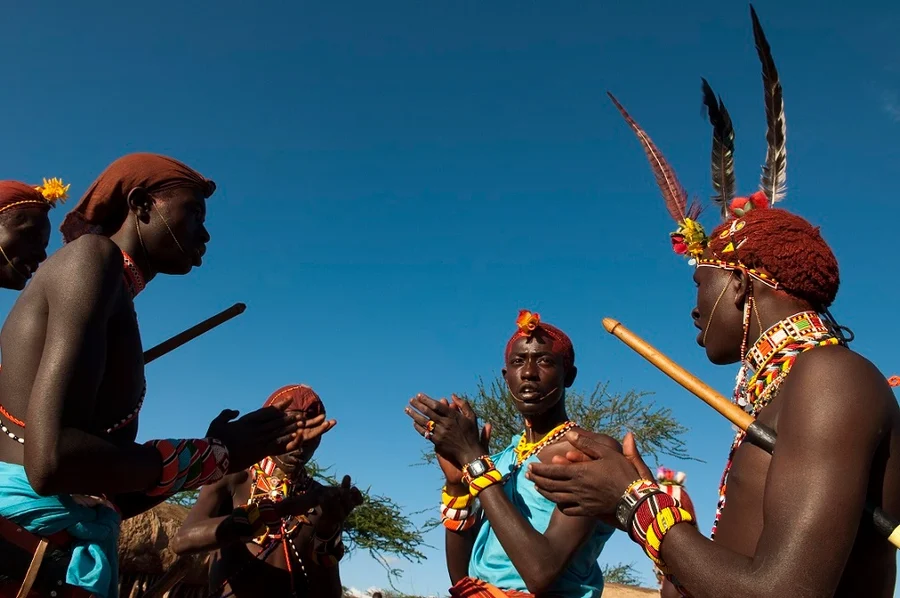
Schedule the visit around the hosts' availability and the agreed activities. An early departure described in one itinerary is not a universal requirement or permission to join private daily activities. Roads, accommodation and the onward journey also affect the practical plan.
Compare local guiding and community payment with transport, food and any overnight support. A Datoga visit is a separate hosted activity if included. Hunting participation, a guaranteed demonstration or a particular person appearing in photographs should never be assumed from the destination name.
Some travellers want to understand food gathering; others are interested in language, material skills or conversation about daily life. Sharing that interest with the organiser helps select a suitable visit. If you do not want to observe hunting or a particular demonstration, say so before the hosts agree to the programme, rather than during it.
A useful arrangement allows you to decline an activity without pressuring the hosts to substitute a performance. The guide should explain what is optional and what alternative is actually available. This matters for children as well as adults with different interests or comfort levels.
Allow time around the visit rather than treating Lake Eyasi as a stop defined only by road distance. Early departures, the onward drive and the group's energy all influence how much attention you can give to your hosts. A realistic route supports a better conversation than arriving with only a few minutes before the next transfer.
Learning about the Hadza and arranging a visit with hosts are connected but different tasks. Background reading can introduce the Lake Eyasi setting; it cannot establish which people will host you or what they will choose to share.
A visit should not rely on claims that a whole community is isolated, unchanged or represented by one way of life. Ask about the particular hosts and respect individual choices.
| Planning point | What to establish |
|---|---|
| Host agreement | Who has agreed to welcome visitors |
| Interpretation | Who guides and helps with conversation |
| Activities | What is planned and what remains optional |
| Photography | Consent for photographs and recording |
Some Lake Eyasi programmes also visit Datoga hosts. This is a separate community visit with its own introductions and activities, so allow time to understand both if your programme includes them.
The Karatu guide gives context for arranging activities from that area. Check the full journey and allow time for the visit itself rather than treating it as a brief stop between park transfers.
Depending on the hosts' agreement, a programme may involve a walk, discussion of food gathering or demonstrations of skills. Do not assume that hunting, participation in hunting or access to private activities is guaranteed.
Ask what is planned, how the guide interprets conversations and which activities visitors can choose to sit out. The community's wishes take priority over a sightseeing checklist.
Ask permission before taking photographs or recording video. Accept a refusal and avoid directing people into poses or activities for social media.
Before booking, ask who hosts the visit, who receives payment and how the guide works with the community. Discuss gifts or donations with the organiser beforehand.
Do not assume so. Activities depend on the community's decisions and the agreed visit. Ask for an alternative if you do not want to observe or take part in a particular activity.
It can be considered within a wider northern Tanzania route, but it needs its own timing and arrangements.
No. The hosts and programme need to be named in the arrangement. Do not infer a second visit from the destination alone.
Tell us which activities interest you. We’ll help you see how they fit your dates and safari route.
Free and without obligation. Or call +255 787 955 466