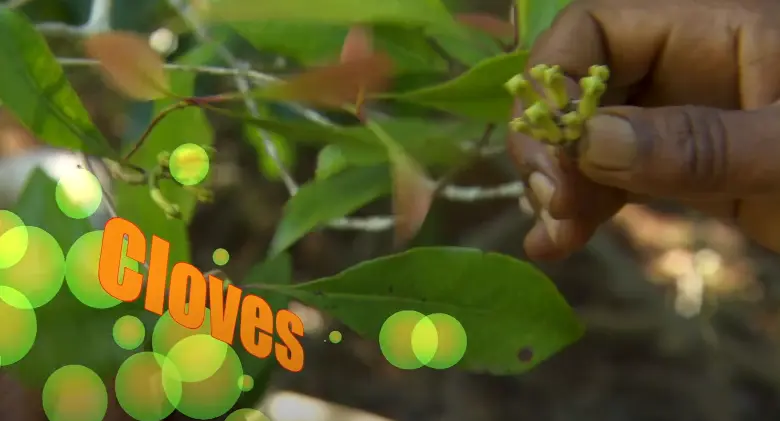
A Zanzibar spice farm tour shows you the plants behind ingredients used in local cooking. Walk with a farm guide, identify spices through their leaves, bark, roots or fruit, and learn how they are grown and prepared. It is a practical choice if you enjoy food and want to understand more than the labels on a market stall.
The farm you visit matters. Some experiences focus on a short tasting walk; others add a meal, village visit or cooking session. Choose the format that interests you rather than assuming every spice tour includes the same activities.
What happens on a spice farm tour
The central activity is a guided walk through planted areas. A guide can show the part of each plant used in cooking and explain how it is harvested or processed. Smelling a leaf or seeing a root makes an everyday ingredient easier to recognize.
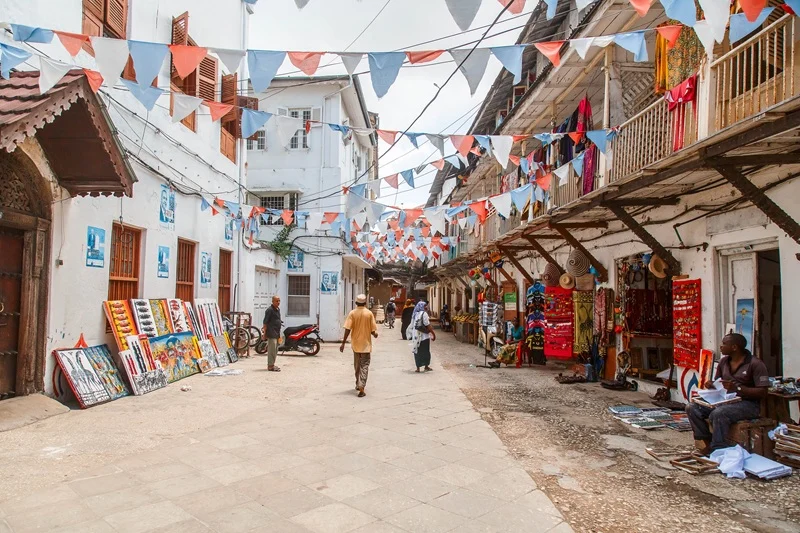
This is different from shopping for packaged spices in Stone Town. A farm visit concentrates on the growing plants and the people who work with them. Purchases may be offered, but buying souvenirs should be your choice.
Spices you may see
Cloves, cinnamon, nutmeg, black pepper, cardamom and vanilla are common themes in Zanzibar spice-farm experiences. The exact plants available to inspect or taste depend on the farm and season.
Ingredient
What makes it useful to see at a farm
Cloves
The relationship between the tree and the dried buds used in cooking
Cinnamon
How bark becomes a familiar kitchen spice
Nutmeg and mace
Two different spices associated with the same fruit
Black pepper
Pepper growing on a climbing plant rather than appearing as ready-to-use grains
A useful guide connects the plants to meals, drinks and local cultivation. Treat claims about curing illnesses separately from an explanation of traditional uses; a tour is not medical advice.
Farm walk, tasting or cooking class
These experiences can be combined, but they are not interchangeable.
A farm walk focuses on identifying plants and explaining their uses. Tasting can involve spices, fruit or a drink, depending on what the farm provides. A cooking session requires its own time, ingredients and arrangements.
If cooking is your priority, ask whether you will prepare food yourself or watch a demonstration. Check whether a meal follows and whether the menu can accommodate your dietary requirements. Do not assume a walk advertised with fruit tasting includes lunch.
Choosing the farm and allowing enough time
Ask which farm is planned and where it is located. Farms around areas such as Kizimbani and other inland communities have different visitor arrangements. A farm’s name on a competitor itinerary does not mean it is Kilidove’s partner.
Separate time at the farm from the journey from your hotel. A simple walk and a visit with cooking need different schedules. Tell the organizer if you prefer a smaller group, a particular guide language or a slower pace.
Paths can be uneven or damp. If you have mobility needs, check the actual walking route and available rest points before booking.
Combining a spice tour with Stone Town
A farm visit and a Stone Town Walking Tour can complement each other: one explains ingredients and cultivation, while the other covers the town shaped by trade. Allow time for both instead of reducing each to a brief photo stop.
A cooking class, historical visit or beach return adds more time. Choose combinations around your hotel and interests, with each inclusion clearly listed.
What to bring and buying spices
Wear comfortable shoes and light clothing suitable for a working farm. Carry water, sun protection and any rain layer appropriate for the conditions. Ask before tasting unfamiliar ingredients if you have allergies.
If you buy spices, check packaging and the rules for carrying plant products into your next destination. Those rules can differ between countries. Ask about optional purchases and tipping arrangements so they do not come as a surprise.
Ask about a Zanzibar spice farm visit
Tell Kilidove your hotel, preferred date and whether you want a farm walk, tasting, meal or cooking experience. The proposal should identify the farm, guide arrangements, transport and the activities included.
Not necessarily. Farm selection, the season and cultivation determine what is available. The list explains possible interests, not a guaranteed harvest display.