A Mangapwani caves tour visits historical sites north of Stone Town on Unguja’s west coast. The most important distinction is between the natural Coral Cave and the constructed Slave Chamber nearby. They are separate places, although tour descriptions often use their names interchangeably.
Choose this visit for careful historical interpretation rather than a swimming-cave experience. Agree which sites are included and check the physical access before planning your day.
Two different historical sites at Mangapwani
The Coral Cave is a natural cavern in coralline rock, associated with a freshwater pool. The Slave Chamber is a built underground holding space connected with the history of enslavement and trafficking.
Site
Main distinction
Mangapwani Coral Cave
A natural cavern; geology, water and local history are relevant
Mangapwani Slave Chamber
A constructed place of confinement; interpretation concerns the slave trade
Ask for both places by name if you want to visit both. A tour called “Slave Caves” does not establish which entrance, structure or route it includes.
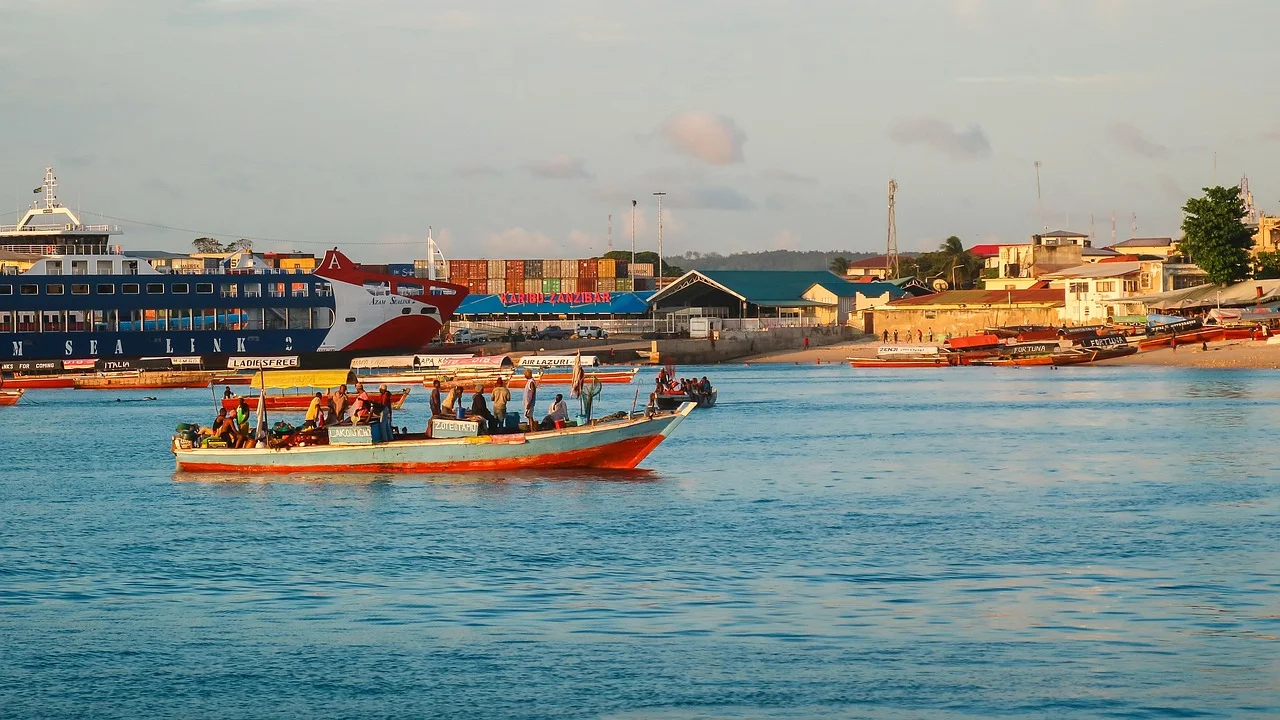
Stone Town’s waterfront provides context for a wider visit focused on Zanzibar’s coastal history.
Understanding the history carefully
The visit concerns people who were confined and traded, so the explanation should be respectful and specific. A guide should distinguish the physical evidence, established historical context and stories whose details remain uncertain.
Descriptions of secret passages, exact numbers of people or particular events can differ between accounts. They should not be repeated as proven facts simply because several tour websites use similar wording.
For wider context, a visit to the former slave-market area in Stone Town can complement Mangapwani. The two places should be explained in relation to the same history without presenting them as identical sites.
What a guided visit can cover
A focused visit can explain the different sites and their setting along the coast. Time at the natural cave and time at the chamber should be allocated separately, especially if you want to ask questions or avoid rushing on steps.
Confirm current opening arrangements, admissions and guide provision. A site named in a proposed route may still need an access check. The organizer should also explain where the vehicle stops and how far you walk.
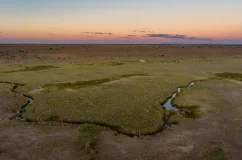
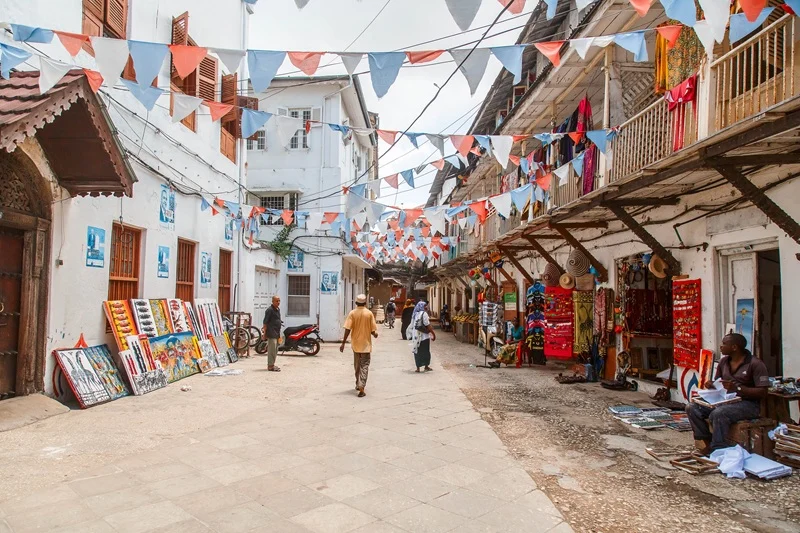
Zanzibar coastal scenery, shown for regional context rather than as a photograph of the Mangapwani caves.
Steps, darkness and physical access
The natural cave involves a different environment from an open-air museum. Steps, reduced light, damp ground and enclosed spaces can affect how comfortable you feel. Ask what the actual descent involves and whether appropriate lighting and assistance are available.
Do not assume the visit is suitable for everyone because a listing describes it as easy. Explain mobility or balance concerns before booking. You can discuss whether viewing from an accessible point provides a suitable alternative, without assuming entry is essential.
A freshwater pool is not an invitation to swim. This historical visit should not be confused with a separately managed cave-swimming attraction elsewhere on Zanzibar.
Some travelers prefer a coastal break afterward. Keep that separate from the historical visit, with the location, meal and return journey agreed in advance. Adding Nungwi or another distant stop can turn a focused outing into a much longer day.
What to bring and how to prepare
Wear secure footwear with grip and carry drinking water. Ask whether you need a small light for the selected cave route. Keep your hands free on steps and follow the guide’s directions.
Approach photographs thoughtfully. The chamber is a place associated with human suffering, not simply an unusual backdrop. Give the explanation and setting the same attention as the physical structure.
Ask about a Mangapwani caves visit
Tell Kilidove your date, hotel and whether you want the Coral Cave, Slave Chamber or both. Mention access needs and any related historical visit you want to include. Ask for the accepted route, transport and admissions in the proposal.