A FEW WAYS TO GO
FROM THE ISLAND TO THE SAFARI
Southern Tanzania | Park guide
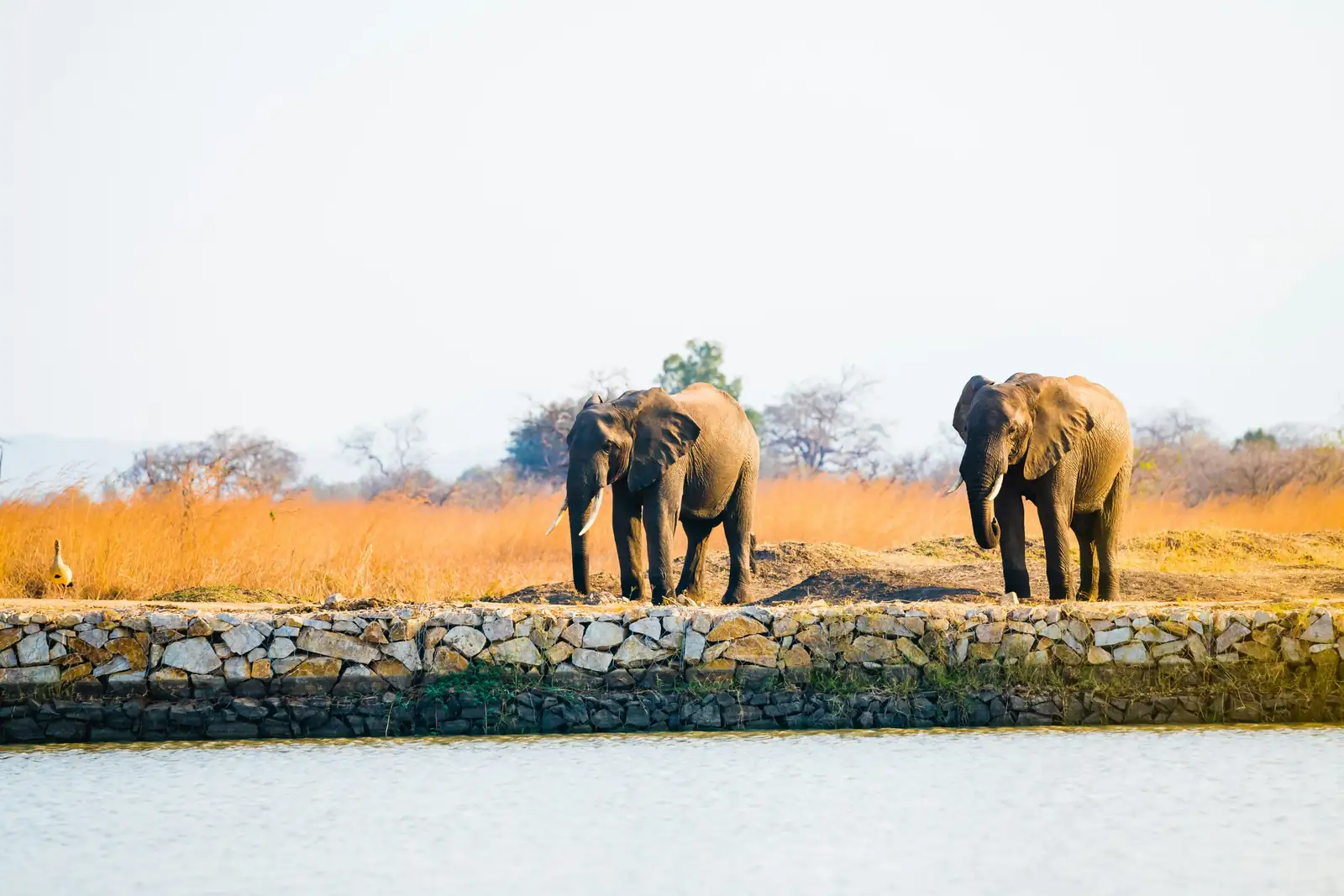
Ruaha National Park protects a broad south-central Tanzanian landscape of woodland, baobabs and river valleys. The Great Ruaha River shapes many wildlife-viewing routes, especially as dry-season water becomes limited.
Setting
Southern Tanzania
Focus
Game drives
Access
Confirm the full transfer
Stay
Match nights to activities
Plan
Check current arrangements
About the park
Ruaha suits travelers who want to spend time in one large safari landscape. It is a separate journey from the northern parks around Arusha, rather than a quick additional stop.
Choose the camp area before comparing prices or flights. A stay near one river valley will not give the same daily drive plan as a camp in another part of the park.
Choose activities around the habitats and time available. Wildlife moves freely, so a list of species cannot promise what you will see.
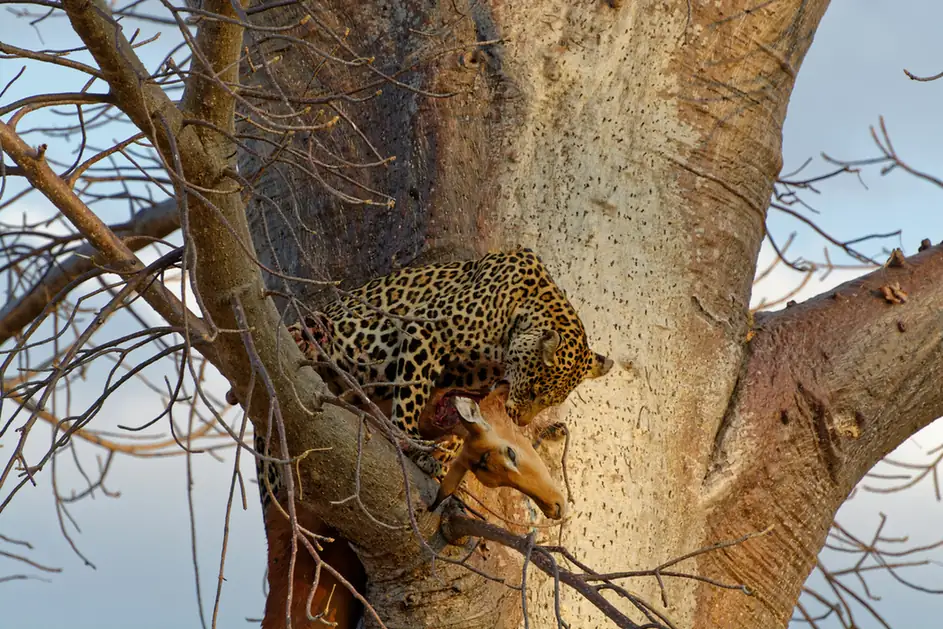
Photographed in Ruaha National Park, Iringa, Tanzania. Photo: Colin Watts / Unsplash.
Wildlife & habitats
Ruaha supports elephants, buffalo, lions, leopards and a variety of antelope. Woodland, open country and river margins create different viewing opportunities. Wild dogs occur, but no predator sighting can be guaranteed.
A patient drive can reveal smaller wildlife and birds as well as mammals. Ask for time at river crossings and woodland edges rather than treating every day as a search for one species.
When to visit
June to October is a useful period to compare for wildlife viewing and road access. Water availability influences where animals gather, while conditions vary between years.
Rain changes vegetation, tracks and river crossings. Confirm your camp opening dates, transfer arrangements and which areas are practical during your visit.
Choose the month around your main activity and the complete journey. Our Tanzania seasons guide explains the wider trip context.
Activities
Choose the activities that fit your travel dates and group. General park entry does not establish that every activity is available or included. Confirm each arrangement before booking.
Plan the activity
Plan drives around the location of your camp and the areas you want to explore. Count arrival and departure transfers separately from full safari days.
Plan the activity
Walking safaris require authorized arrangements. Confirm the operator, ranger provision and restrictions for your group before adding a walk.
Plan the activity
Woodland and river habitats offer varied birding. Tell the guide if you want time to identify species rather than follow a standard driving pace.
Plan the activity
Compare vehicle arrangements, drive duration and time in each habitat. Wildlife movement and light conditions determine the opportunities on the day.
Check TANAPA visitor information for authority guidance. Activity availability and your booking inclusions need separate confirmation.
Getting there
The road approach runs west from Iringa toward the park. Conditions and the final camp location determine the transfer; allow for a proper travel day when coming from farther away.
Msembe and Jongomero are among the park airstrips. Match the flight with the correct camp and confirm luggage rules and pickup.
Check gate or landing time against the onward drive. A low airfare does not explain the entire door-to-camp journey.
Duration
Several nights at one base reduce time spent moving accommodation and allow repeat drives in different conditions.
A longer stay may allow more than one area. Compare the relocation day with the safari time it replaces.
Ruaha and Nyerere offer different settings. Connecting flights or road travel must fit the actual operating schedule.
Costs & fees
Ruaha costs depend on your camp, dates, group size, transport and activities. Compare park entry, vehicle and guiding, meals, accommodation and any camping or concession charges. Ask whether walks and airstrip transfers are included.
Check TANAPA fee categories and request an itemized total for your dates. For broader budgeting, use our Tanzania safari cost guide.
Itineraries
Build the proposal around your main activity, transfer and overnight location. These are planning choices, not fixed packages.
Compare this park with the country-wide trip options. Confirm the named park in the day-by-day program rather than assuming every itinerary visits it.
Tell us which landscapes and activities matter most. We will check the practical sequence and available accommodation before proposing a route.
Where to stay
Select accommodation by its position within the park and the drive areas it serves. Compare the overnight location, room type and transfer plan before choosing by a luxury or budget label.
Compare the actual address with your gate, trail, airstrip or boat landing. The transfer can change how much activity time the day allows.
Check meals, guiding, transfers and activity bookings in the proposal. Campsites and hosted lodges do not provide the same services.
Combine
Add a Rufiji River setting if the flight or road plan leaves enough time in each park.
For an overland route, compare distances and overnight stops rather than assuming a quick connection.
Before you go
Remain on designated tracks and leave the vehicle only where permitted. Guided walks and special activities need their own arrangements. Carry water and sun protection, and check road conditions before a long approach.
FAQ
Ruaha is known for river valleys, baobab woodland and wildlife including elephants and large predators. Its camp areas and access routes deserve careful planning.
Yes. Confirm the route, road conditions and final camp transfer before fixing your arrival schedule.
No. Ask for the authorized walking arrangement and any separate charge or restriction in writing.
Ruaha is a separate southern-circuit destination. A northern safari does not automatically include it.
Plan your trip
Send your travel dates, number of travelers, departure point and preferred activities. We will check access and accommodation options, then explain the proposed route and inclusions.