A FEW WAYS TO GO
FROM THE ISLAND TO THE SAFARI
Western Tanzania | Park guide
Mahale Mountains National Park combines forested slopes and the eastern shore of Lake Tanganyika in western Tanzania. Guided chimpanzee trekking is a central reason to visit, alongside forest walks and lake scenery.
Setting
Western Tanzania
Focus
Chimpanzee trekking
Access
Confirm the full transfer
Stay
Match nights to activities
Plan
Check current arrangements
About the park
Mahale needs a dedicated access plan. Flights and lake transfers can shape the itinerary as much as time in the forest. Agree on the camp before arranging the arrival and departure sequence.
A chimpanzee trek is a walking activity with variable effort. The animals move through forested slopes, so the walk cannot be assigned a guaranteed length or encounter time in advance.
Choose activities around the habitats and time available. Wildlife moves freely, so a list of species cannot promise what you will see.
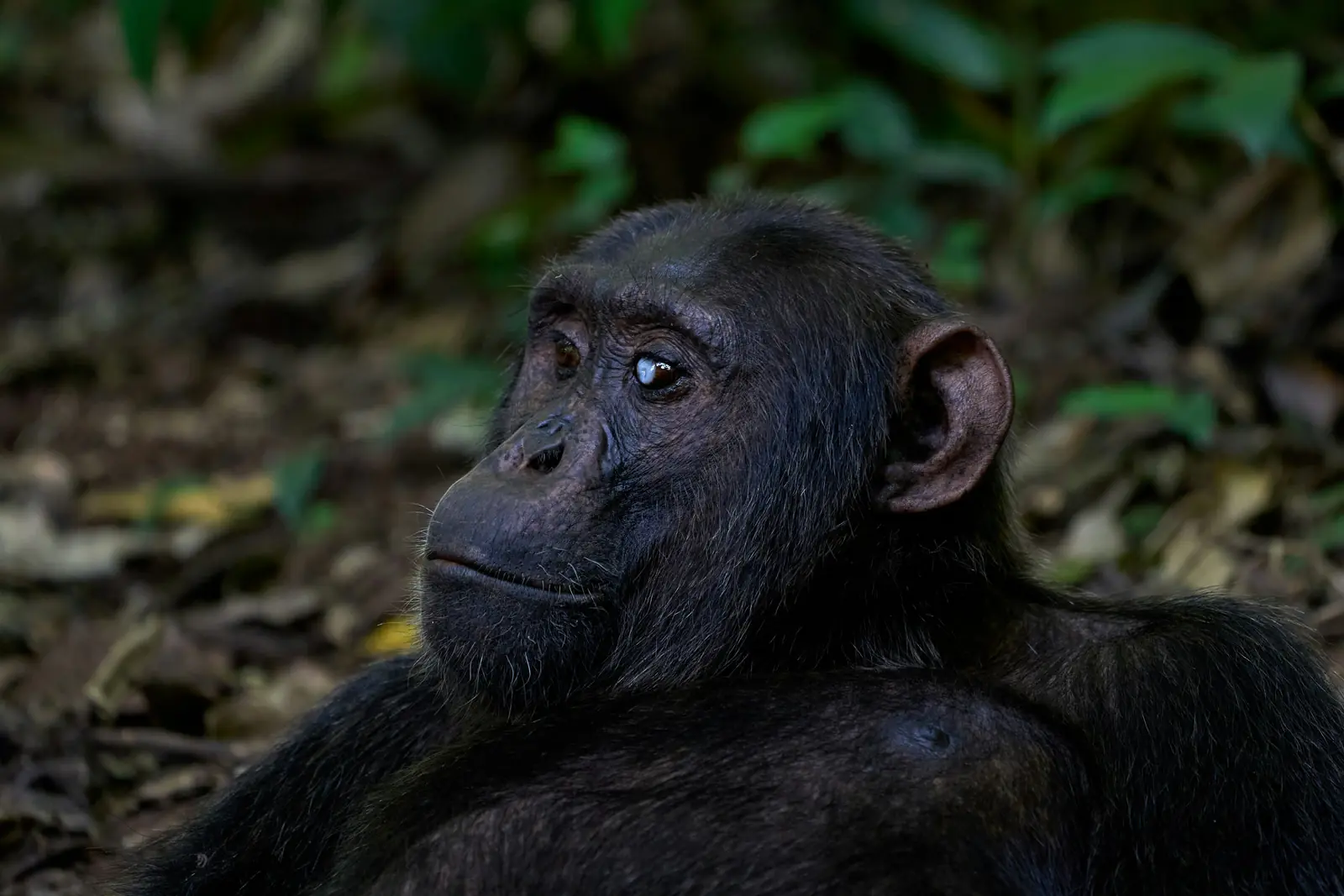
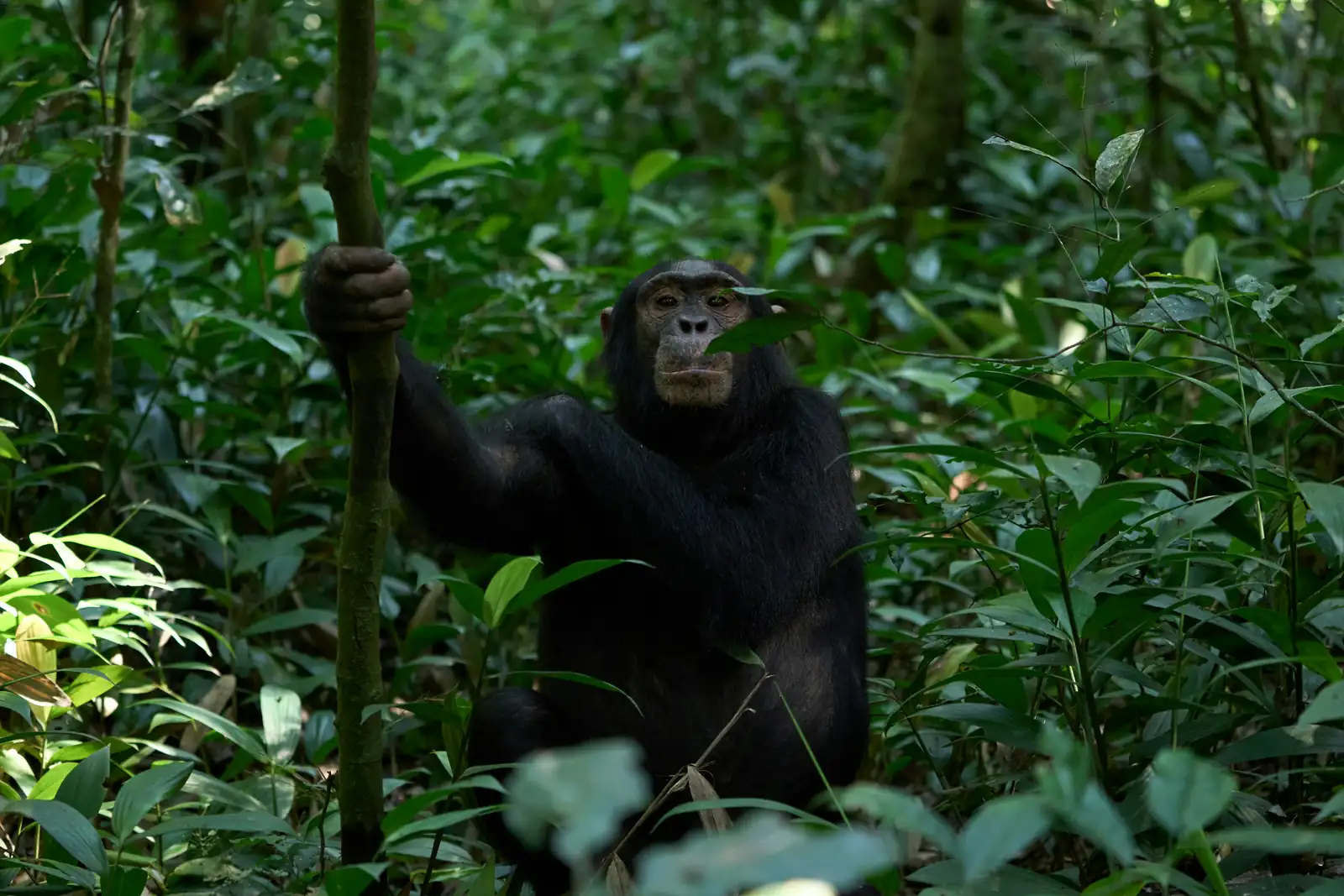
Representative photo. Photographed in Kibale National Park, Uganda. Photo: Dmitrii Zhodzishskii / Unsplash.
Wildlife & habitats
Chimpanzees range through the park’s valleys and slopes. Guided visits depend on locating the animals and observing park viewing rules. A booking does not guarantee a sighting.
Other primates, forest birds and smaller wildlife add interest between trekking periods. Leave space in the itinerary for observation rather than treating the forest as a single-species stop.
When to visit
June to October is generally a useful period for trekking and access planning. Confirm camp operating dates and the actual flight or boat connection.
Rain can make forest paths slippery and affect transfers. A greener forest can appeal to some travelers, but walking effort and operational availability need careful checking.
Choose the month around your main activity and the complete journey. Our Tanzania seasons guide explains the wider trip context.
Activities
Choose the activities that fit your travel dates and group. General park entry does not establish that every activity is available or included. Confirm each arrangement before booking.
Plan the activity
Trek with authorized guides. Confirm age eligibility, current health protocols and viewing limits before paying for the activity.
Plan the activity
Additional walks can explore the forest at a different pace. Agree on the route, effort and permitted access with your guide.
Plan the activity
Boat trips or other camp-arranged lake activities depend on conditions and the provider. Confirm equipment, safety guidance and inclusions.
Plan the activity
Allow time around the forest program. Swim only where permitted and considered safe by the local operator.
Check TANAPA visitor information for authority guidance. Activity availability and your booking inclusions need separate confirmation.
Getting there
Confirm the current flight route and the airstrip serving your camp. Scheduled and charter arrangements may differ by season.
Boat transfers along Lake Tanganyika are part of many arrival plans. Check departure points, baggage and weather contingency arrangements.
A journey to Kigoma does not by itself complete the trip to Mahale. Ask for the full door-to-camp sequence.
Duration
More than one forest opportunity can reduce pressure on a single attempt. Sightings remain uncertain.
Do not count a flight and boat transfer day as a guaranteed full trekking day.
If combining with Katavi or Gombe, compare the transport schedule before fixing the camp nights.
Costs & fees
Compare park entry, authorized trekking or guiding charges, camp accommodation, meals, flights and boat transfers. Remote access and camp packages can make headline nightly prices misleading. Request a total proposal for the full journey.
Check TANAPA fee categories and request an itemized total for your dates. For broader budgeting, use our Tanzania safari cost guide.
Itineraries
Build the proposal around your main activity, transfer and overnight location. These are planning choices, not fixed packages.
Compare this park with the country-wide trip options. Confirm the named park in the day-by-day program rather than assuming every itinerary visits it.
Tell us which landscapes and activities matter most. We will check the practical sequence and available accommodation before proposing a route.
Where to stay
Compare lakeside camps and any park camping arrangement against the access plan and trekking program. Confirm the property, board basis and whether the guide and transfers are included. Do not infer a private trek from a camp category.
Compare the actual address with your gate, trail, airstrip or boat landing. The transfer can change how much activity time the day allows.
Check meals, guiding, transfers and activity bookings in the proposal. Campsites and hosted lodges do not provide the same services.
Combine
Pair forest trekking with a separately routed savanna safari when connections allow.
Compare a second chimpanzee destination on its own merits and account for the extra travel.
Before you go
Discuss walking ability before booking. Use closed shoes with grip and carry water and a rain layer. Follow current chimpanzee distance and health instructions, keep voices low and do not trek when park rules require postponement due to illness.
FAQ
No. Chimpanzees are wild and move through the forest. Authorized guides and extra opportunities do not create a guarantee.
Trek effort varies with the animals’ location and trail conditions. Discuss your ability and any assistance needs before booking.
Do not assume a standard road transfer reaches your camp. Confirm the current flight, road and boat sequence with the operator.
No. They are separate parks on Lake Tanganyika with different access and accommodation arrangements.
Plan your trip
Send your travel dates, number of travelers, departure point and preferred activities. We will check access and accommodation options, then explain the proposed route and inclusions.