Ol Doinyo Lengai Climb
Plan an Ol Doinyo Lengai climb near Lake Natron: overnight timing, steep ascent and descent, equipment, current conditions and trip costs.
A FEW WAYS TO GO
FROM THE ISLAND TO THE SAFARI
Plan an Ol Doinyo Lengai climb near Lake Natron: overnight timing, steep ascent and descent, equipment, current conditions and trip costs.
An Ol Doinyo Lengai climb is a demanding mountain outing near Lake Natron in northern Tanzania. It needs current local advice, appropriate guiding and enough time for both ascent and descent. It should not be treated as an easy walk added casually to a safari transfer.
Ol Doinyo Lengai stands near Lake Natron in northern Tanzania's Rift Valley. The Ngorongoro Lengai Geopark describes it as an active stratovolcano, 2,962 meters high, with cultural significance to Maasai communities. Its name is commonly translated as "Mountain of God."
Its carbonatite lava makes the volcano geologically unusual. That is background to the landscape, not a promise that visitors will see an eruption or flowing lava. Current volcanic activity and access must be assessed locally before any climb.
An overnight start changes the challenge of the climb. You may be walking while you would normally sleep, using a headlamp and concentrating on steep ground. Reaching a high point does not finish the outing: you still need the attention and energy to return.
Loose or steep ground can feel more difficult going downhill, particularly when tired. Choose the climb using recent experience on comparable terrain rather than your enthusiasm for the view. Someone who enjoys gentle day walks may need a very different assessment from a person regularly completing long, steep hikes.
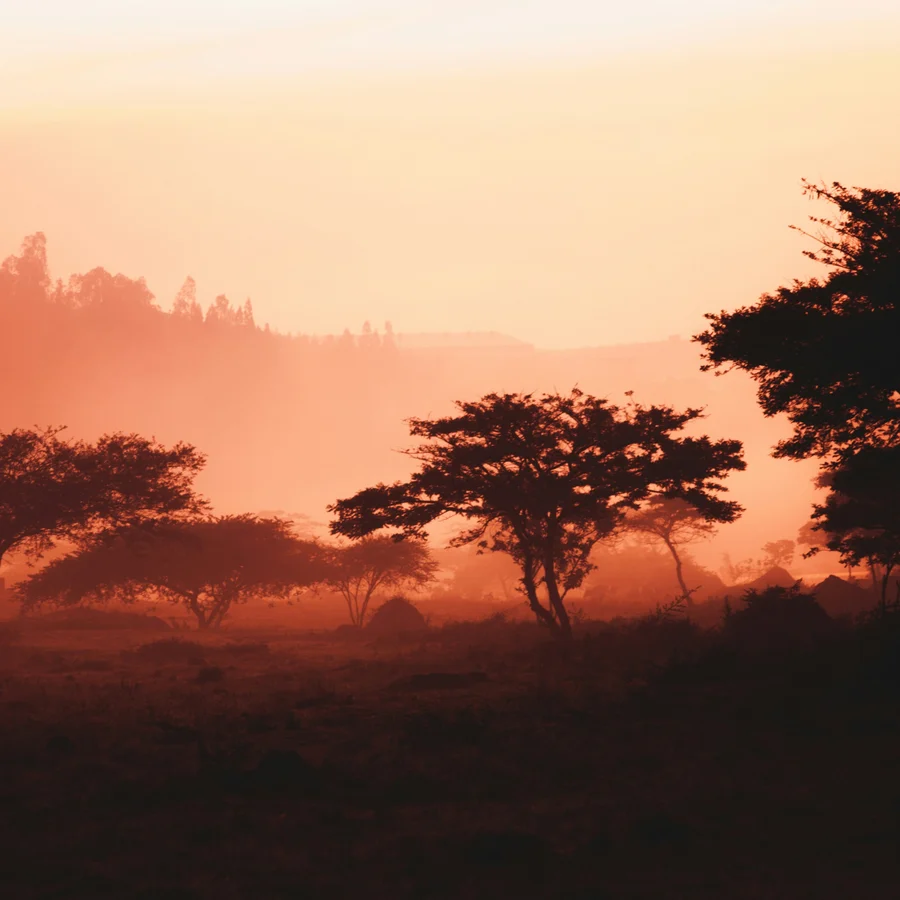
To climb Ol Doinyo Lengai, plan for a demanding ascent and descent rather than a quick summit stop. Lake Natron Camp publishes an approximately 12 to 14-hour overnight-and-daylight program, explicitly treating its timings as estimates. Your own route, pace and current access assessment determine the actual plan.
A pre-dawn start and possible sunrise view are features of some programs, not a guaranteed summit timetable. The descent remains a substantial stage after the highest permitted point is reached. Keep a realistic recovery period before a long onward drive.
The Ol Doinyo Lengai hike is the climbing outing described on this page. It should have its own place in your itinerary, with time for arrival near Natron, a pre-climb briefing, the overnight walk and recovery afterward. A shorter mountain does not necessarily create a shorter or easier travel day.
| Trip stage | Practical decision |
|---|---|
| Arrival near Natron | Leave time to rest, meet the organizer and check equipment |
| Before the night start | Agree on pickup, food, water, lighting and the intended route |
| Ascent and descent | Follow the guide's pace and turnaround decisions |
| Return to the accommodation | Allow recovery time before the onward journey |
A two- or three-day trip title may describe the entire visit rather than continuous climbing. Check which nights and transfers it includes. Non-climbers should have a separately agreed plan; they should not expect to join the trailhead transfer and find a suitable walk there.
Compare local permissions and fees, guiding, transport to the trailhead, accommodation and supplied equipment. A low guide-only number is not the total cost of an organized Natron stay and climb. Use a current written quotation rather than figures in an old trip report.
As an active volcano, Lengai requires a current local operating decision. A guided climb cannot promise access to every summit section on every date. Ask what happens if the outing cannot start or must turn back, keeping those terms separate from another operator's policy.
A headlamp with dependable spare power is essential to discuss for a night ascent. Use footwear with good grip and bring layers that can be adjusted as the temperature changes. Rain protection, sun protection for the descent and a manageable daypack are practical parts of the preparation.
Ask the local organizer about the required water capacity, food, helmet and walking-pole provision. Lake Natron Camp supplies some items on its own program, but that does not establish what another booking includes. Confirm the equipment list for your actual climb instead of relying on a photograph or a generic safari packing list.
Keep a camera or phone secure and leave your hands available on steep sections. The descent may require as much concentration as the ascent, especially after a night without normal sleep. If you are uncomfortable with steep or exposed ground, discuss that before confirming the trip.
Choose a date with the intended route and current local advice in mind. Rain can affect footing, wind can change comfort and visibility, and volcanic conditions can alter access. A usual dry-season pattern cannot establish that the summit section will be suitable on your date.
Ask how the decision to start is made, what turnaround arrangements apply and what the booking terms say about a cancellation or an incomplete climb. These details should be agreed with the organizer. The refund policy of a camp mentioned in an online guide is not automatically the policy for your booking.
Plan the hours before and after the climb as well as the route itself. A late arrival followed immediately by a night start may leave little rest; a long onward drive after descending can extend an already demanding period. An agreed Natron stay should make room for recovery rather than leave the climb squeezed between transfers.
Non-climbers need their own plan at the accommodation or on a separately arranged local outing. They should not assume that joining the road transfer to the mountain creates a suitable alternative activity. The climbing program and other Natron interests are different arrangements.
A lodge near the volcano gives you a base in the area, but it does not establish a climbing reservation. Likewise, a safari itinerary naming Lake Natron may include only the planned local activities.
The published ten-day northern Tanzania itinerary specifically distinguishes its Lake Natron stop from an arranged Lengai climb. Keep that boundary when requesting an addition.
| Part of the plan | What needs its own arrangement |
|---|---|
| Stay near Natron | Accommodation and local transfers |
| Climb assessment | Current access, conditions and suitability |
| Guided route | Qualified local guidance and agreed turnaround |
| After the climb | Rest and a realistic onward journey |
A description of the volcano as lower than Kilimanjaro should not imply that the climb is easy. Steep terrain, a long descent and the timing of an overnight outing create different demands.
Read the Lake Natron swimming article for that separate travel question. A nearby lake or village excursion should not be confused with the volcano route or used as proof that the climb is included.
No. Conditions, permissions, fitness and the guide's decisions can affect the route and outcome.
Use it only as background. Request current arrangements and conditions before deciding to climb.
That needs an assessment of time, rest, transport and local arrangements. Request an agreed amendment rather than assuming a nearby overnight stay makes the climb fit.
Yes. It is an active volcano. That is why current local conditions and the guide's operating decision matter more than an old route description or summit photograph.
No. Lava activity, visibility and permitted access vary. Choose the climb for the mountain outing, without treating a particular volcanic display as an inclusion.
No. Its lower height does not remove the demands of steep terrain, a long descent and an overnight start. Discuss recent hiking experience and comfort on steep ground before booking.
Tell us which activities interest you. We’ll help you see how they fit your dates and safari route.
Free and without obligation. Or call +255 787 955 466