Tanzania Food Tour
Choose a Tanzania food tour, market walk or cooking class. Compare Arusha, Moshi and Zanzibar experiences, food interests, portions and costs.
A FEW WAYS TO GO
FROM THE ISLAND TO THE SAFARI
Choose a Tanzania food tour, market walk or cooking class. Compare Arusha, Moshi and Zanzibar experiences, food interests, portions and costs.
A Tanzania food tour can be a market walk, a guided tasting, a cooking experience or a longer holiday built around food. Before booking, decide whether you want an activity in one town or a journey across several places.
A food outing becomes more informative when it connects what you see with how it is prepared and eaten. A market stop can introduce an ingredient; a tasting or cooking host can explain its place in a dish. Without that connection, several stops may amount to eating different foods without learning much about them.
Decide whether you are more interested in shopping and everyday cooking, a particular dish, or the social setting of a hosted meal. A short city walk can give a focused introduction. A cooking session gives more time to one process, but may include fewer places. Neither needs to claim it represents all Tanzanian cuisine.
If coffee is your main interest, a coffee-specific visit may answer your questions better than a general tasting walk. Likewise, seeing spices growing is different from understanding how a finished meal is seasoned. Name your priority so the actual experience can match it.
A local food tour in Tanzania should connect the food with the place you visit. Mainland market and cooking programmes can introduce staples, produce and preparation, while a coffee-focused village visit follows a different subject. A longer culinary holiday may combine several regions and hosts rather than offer one fixed menu.
Ugali, grilled meat and rice dishes provide useful starting points for questions about local meals. Ask what is being prepared, which accompaniments are customary for that host and how the ingredients are used. The aim is understanding a particular meal, not claiming every Tanzanian family cooks the same way.
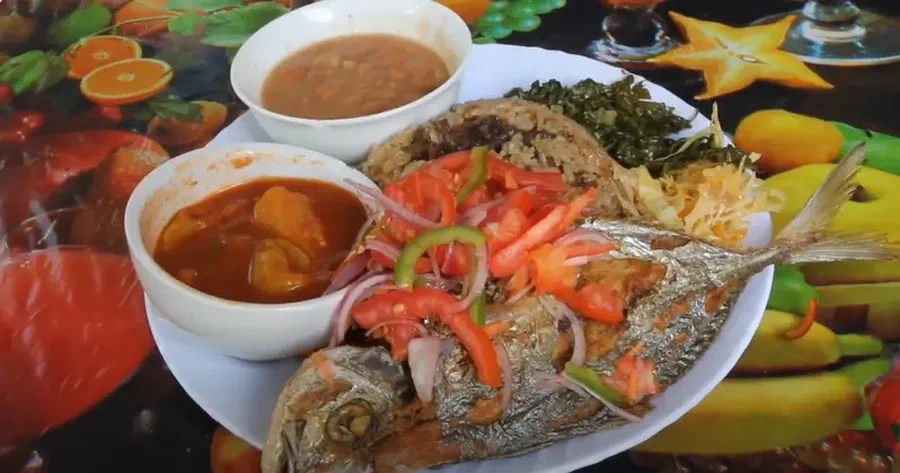
Arusha has hosted cooking and market experiences; Moshi-area visits can link food with village or coffee interests. Zanzibar introduces its own coastal food setting. Choose according to where you are travelling and the experience you want, rather than booking a long transfer for a generic national food label.
A food-walk quote should clarify tastings, portion sizes and optional purchases. A cooking class also needs ingredients, tasks, hosting and meal provision; a multi-day culinary holiday adds accommodation and transport. These are different products, so a price from one category is not a useful estimate for all three.
A sequence of small tastings may provide variety without becoming lunch. One substantial hosted meal may leave less appetite for further stops. Think about the order of your day before booking a second meal or making a restaurant reservation immediately afterward.
For a cooking activity, the useful detail is what guests actually do. Preparing ingredients, observing a host and cooking part of a meal are different levels of participation. Choose the one you want instead of assuming that “cooking experience” means working through an entire recipe yourself.
Go with curiosity rather than pressure to taste everything. It is reasonable to decline something you do not eat. Clear dietary information in advance helps the host plan, while a calm explanation on the day avoids turning a personal preference into a judgement about the food. Keep optional drinks and purchases separate from the agreed experience.
Food in Tanzania is varied, and a short outing in Moshi should not be described as representing every region. A market, coffee host and cooking session each introduce a particular part of food culture.
Familiar dishes such as ugali, grilled meat or spiced rice can provide useful context, but a tour menu depends on the host and what is actually prepared. Avoid promising a fixed tasting list before it has been agreed.
| Format | Main focus |
|---|---|
| Market visit | Ingredients, trading and explanations |
| Hosted meal | Eating together and the dishes served |
| Cooking session | Preparation and participation |
| Coffee experience | Farming or bean preparation and tasting |
A Zanzibar food walk has a different setting from a mainland farm or city visit. Our Zanzibar food guide is useful for that part of a combined trip.
Agree the menu and dietary requirements with the organiser before the visit, particularly where food is prepared in a shared kitchen. Use the regional food background to choose your interests, then compare the actual host's programme.
Tell the organiser about allergies, intolerances and dietary preferences before the route is confirmed. Ask whether the hosts can meet those needs and how ingredients will be explained.
A vegetarian option does not automatically address every allergy. If cross-contact is a concern, discuss it specifically and choose only arrangements that can meet your requirements.
Markets are working places. Follow your guide's advice, ask before photographing people and keep enough space for traders and shoppers.
Ask which tastings are included and which purchases are optional. That avoids uncertainty when moving between different stalls or hosts.
Not necessarily. A spice visit focuses on plants and ingredients; a food tour may focus on prepared dishes. Check the programme.
No. Confirm portion sizes and meal arrangements before planning the rest of your day.
No. A focused outing introduces a place and its hosts. Wider regional variety needs a broader itinerary and should not be implied by one short tasting.
Tell us which activities interest you. We’ll help you see how they fit your dates and safari route.
Free and without obligation. Or call +255 787 955 466