Climbing Kilimanjaro
Compare guided Kilimanjaro climbing tours, choose your route and mountain days, then plan your climb with our Tanzania team.
Kilimanjaro Climbing Tours and Packages
Compare the five guided treks below, or jump to route choices, costs and inclusions, climbing seasons or planning FAQs. Check mountain days separately from hotel nights and travel days.
- All Supporting Crew
- Park entrance fees
- Arusha Machame Camp Shira Barranco Karanga Barafu Summit Mweka Arusha
- All Supporting Crew
- Park entrance fees
- Arusha Big Tree Camp Shira Moir Hut Lava Tower - Barranco Karanga Barafu Summit Mweka Camp
- All Supporting Crew
- Park entrance fees
- Moshi Nalemoru Simba Second Cave Third Cave Mawenzi Tarn Kibo Huts Summit Horombo Moshi
- All Supporting Crew
- Park entrance fees
- Moshi Marangu Gate Mandara Horombo Mawenzi Ridge - Acclimitization Kibo Summit Horombo Marangu Moshi
- All Supporting Crew
- Park entrance fees
- Arusha Umbwe Barranco Karanga Barafu Summit Mweka Arusha
What Is Climbing Kilimanjaro?
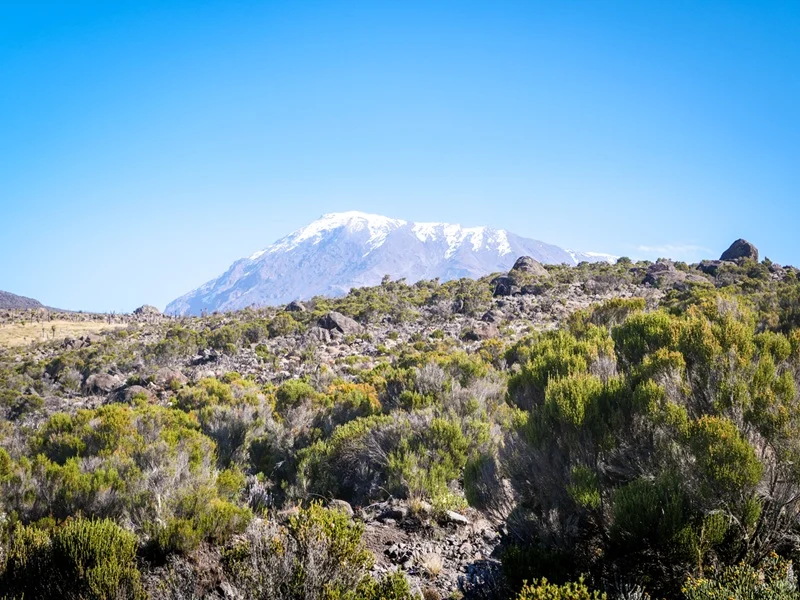
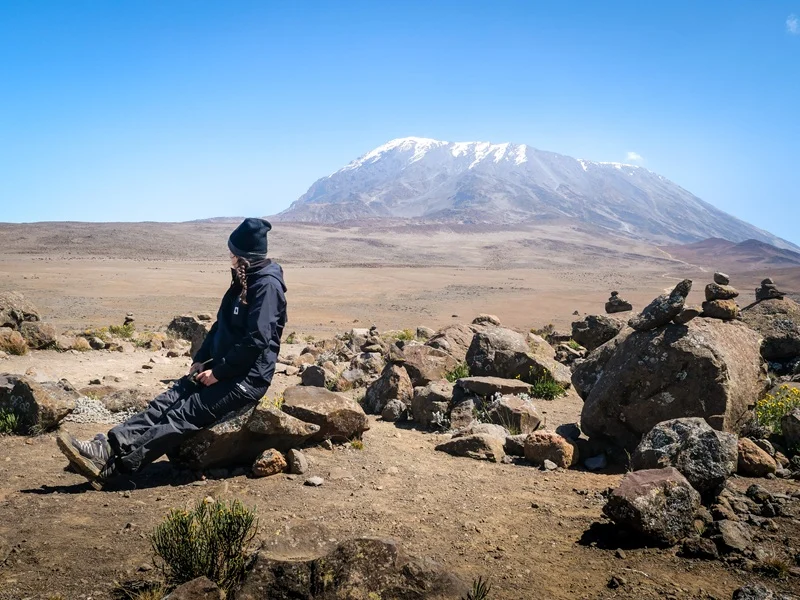
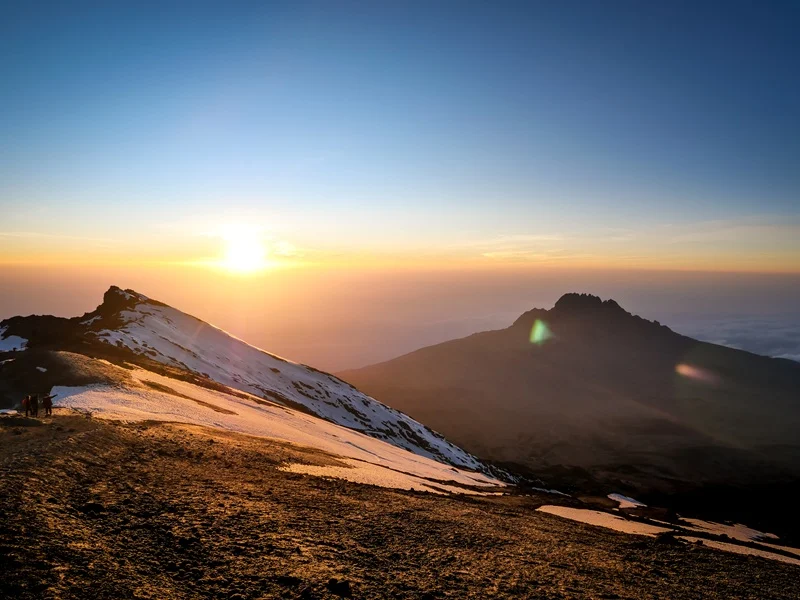
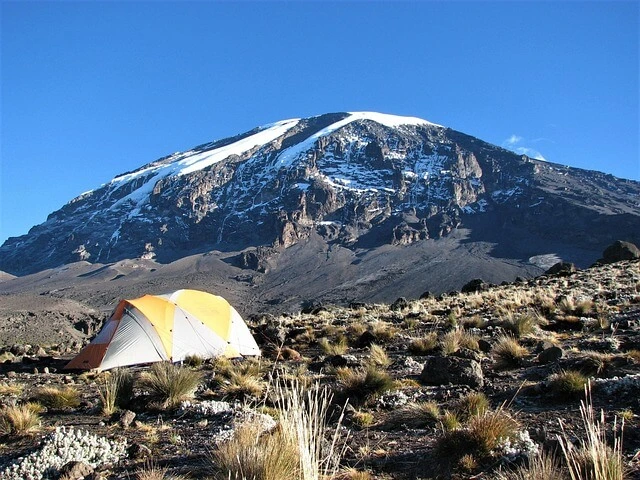
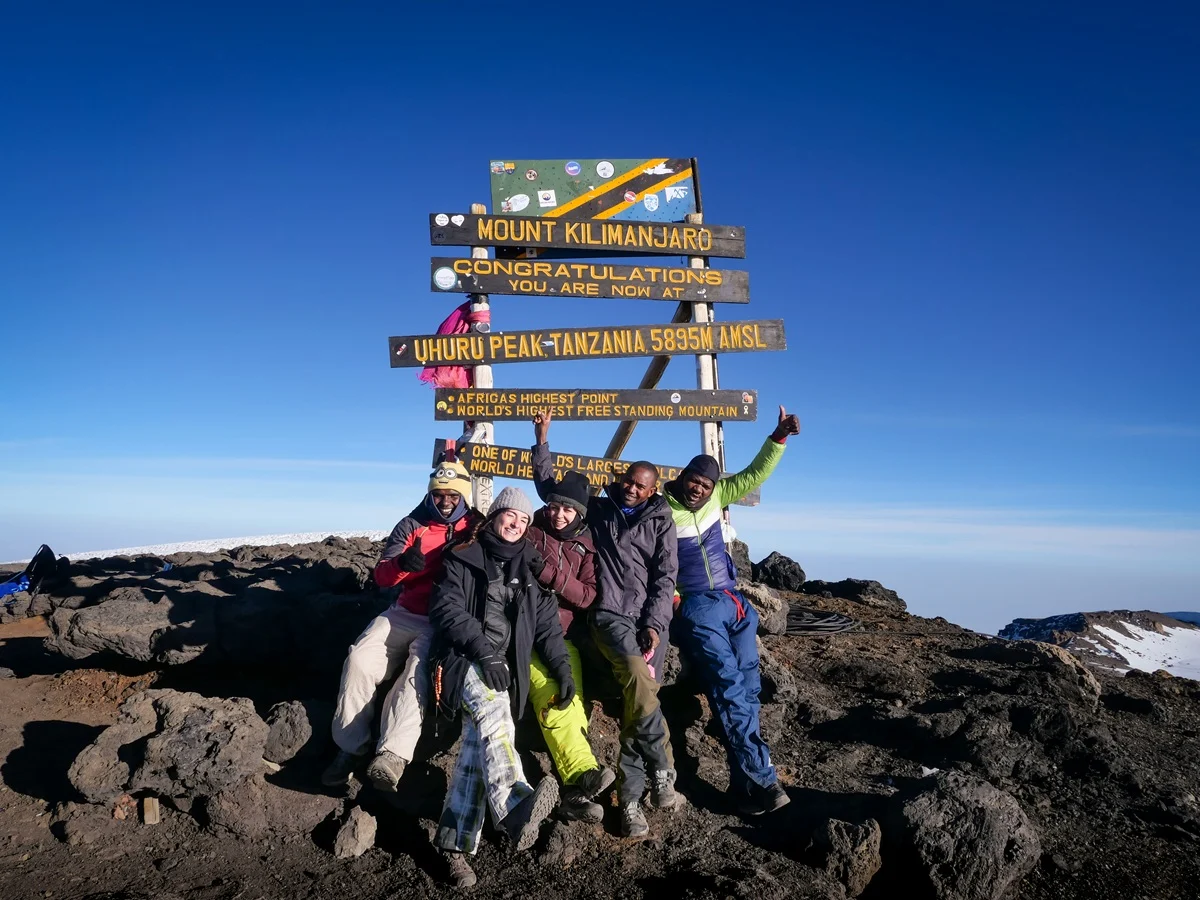
Climb Mount Kilimanjaro in Tanzania to attempt Uhuru Peak, Africa’s highest summit at 5,895 m (19,341 ft). A guided trek takes you from forest to open moorland, alpine desert and the cold summit zone. Standard trekking routes do not require technical mountaineering skills, but altitude and long walking days make preparation essential.
Our five published Kilimanjaro packages cover Machame, Lemosho, Marangu, Rongai and Umbwe. Start with the route and accommodation style, then compare the actual overnight stages, acclimatisation time and price conditions. For background, see where Mount Kilimanjaro is located.
Best Routes for Climbing Mount Kilimanjaro
The best Kilimanjaro route depends on the time you can allow, the terrain you want to walk and whether you prefer huts or camping. Compare our five published tours below. A route name alone does not tell you how much time its itinerary allows for acclimatisation.
Use our Kilimanjaro route comparison guide to compare approaches, accommodation and itinerary questions before choosing a package.
Machame Route
Choose Machame to compare a southern camping route. The itinerary crosses the Shira Plateau and follows the southern circuit past Barranco. The Barranco Wall involves scrambling, so consider your comfort on steep ground as well as walking fitness. See the Machame Route itinerary for its overnight stages.
Compare Machame and Lemosho by their day-by-day schedules, not just their starting prices. Ask how an additional mountain day would change the route and quote.
Lemosho Route
Compare Lemosho for a western approach across the Shira Plateau. This camping route joins the southern circuit before the summit attempt. Look closely at the number of mountain nights and the ascent profile when comparing it with Machame. Read the Lemosho Route itinerary.
Marangu Route
Choose Marangu if shared mountain huts are important to you. Its Mandara, Horombo and Kibo huts make it different from the camping routes. Hut accommodation does not remove the demands of altitude; compare the included acclimatisation day and the summit schedule. View the Marangu Route itinerary.
Rongai Route
Compare Rongai for an approach from the northern side of Kilimanjaro. The published route passes Simba and Mawenzi Tarn before the summit attempt and returns via Horombo. It uses camping accommodation; passing Kibo or Horombo does not mean the whole trek is a hut itinerary. Read the Rongai Route itinerary.
Umbwe Route
Consider Umbwe only after reviewing its steep, direct ascent. It reaches Barranco before joining the southern circuit. The faster early altitude gain is a substantial tradeoff, rather than a shortcut to an easier climb. Discuss your hiking background and previous altitude experience before choosing the Umbwe Route itinerary.
Northern Circuit Route
The Northern Circuit is a separate, longer route option around the mountain. It is not one of the five published packages shown here. Ask our team to confirm availability, mountain days and a written quote if you want to consider it.
How Much Does It Cost to Climb Kilimanjaro?
As one published example, our Marangu package lists US$2,050 per person for 6+ travellers in low season. The same low-season table lists US$2,620 per person for two travellers. These are examples for that route and group size, not a universal price for climbing Kilimanjaro.
Your route, mountain days, group size, travel dates and service choices affect the quote. Open each package’s price table to compare like-for-like conditions. Request written confirmation of the total, inclusions and any optional extras for your departure.
For a full cost breakdown, read how much it costs to climb Kilimanjaro.
- Park fees and permits: confirm the amount included in your quote.
- Guides, porters and cook: confirm staffing and services.
- Meals and mountain equipment: check the packing list and inclusions.
- Hotels and transfers: confirm nights, pickup and drop-off points.
- Tips, rentals and insurance: check what is excluded.
How Long Does Climbing Kilimanjaro Take?
Kilimanjaro summit treks typically take 5–9 days on the mountain, depending on the route and itinerary. Keep mountain days separate from the total holiday: arrival, a pre-climb briefing, hotel nights, recovery and onward travel can add time.
When you compare a shorter climb with a longer one, look at sleeping elevations and acclimatisation days. Extra time can support a more gradual ascent, but cannot guarantee a summit. Send us your available dates so the written plan shows both mountain days and the complete trip.
How Hard Is Climbing Kilimanjaro?
Standard trekking routes do not require technical mountaineering experience, but Kilimanjaro is a demanding high-altitude journey. Fitness helps with walking endurance; it does not prevent altitude illness. Review the ascent profile and discuss personal suitability with a qualified clinician before booking.
Compare daily altitude gains and overnight elevations as well as total days. Extra time can help acclimatisation, but it cannot guarantee a summit. Summit day is usually a long effort followed by descent, so ask for the actual schedule of the itinerary you choose.
Read our Kilimanjaro difficulty guide for a closer look at walking, summit-day demands and preparation for beginners.
- Standard walking routes do not require technical mountaineering experience.
- Altitude illness can affect fit and experienced travellers.
- Summit day includes a demanding ascent and descent.
- Preparation, acclimatisation and guide instructions matter.
Build a preparation plan with our Kilimanjaro training guide.
Best Time for a Kilimanjaro Hike
For generally drier climbing conditions, start by comparing January–February and late June–September. Rainfall can increase around the edges of these windows, including March and October. Weather varies by altitude and can change on any route, so dry-season travel does not guarantee clear skies or an easier summit night.
The wetter periods usually fall around March–May and October–November. Wet paths, cloud and snow at higher elevations can affect the experience. Discuss the exact month, route and equipment with our team before choosing a wet-season departure.
- January–February: compare a generally drier early-year window.
- Late June–September: plan ahead for a dry-season departure.
- March–May and October–November: discuss wetter conditions and route suitability.
For month-by-month advice, see our guide on the best time to climb Kilimanjaro and climbing in July.
Acclimatization and Altitude on Kilimanjaro
Acclimatisation means allowing your body time to adjust to reduced oxygen at altitude. Compare overnight elevations, the pace of ascent and rest or acclimatisation days. Physical fitness helps you cope with the walking, but does not protect you from altitude illness.
Discuss altitude preparation with a qualified travel-health clinician before departure. Report symptoms to your guide promptly and do not continue ascending with altitude illness symptoms. See CDC high-altitude travel guidance for preparation advice.
Read our Kilimanjaro altitude sickness guide for warning signs and the questions to discuss with your guide and clinician before departure.
- Compare sleeping elevations and ascent pace, not only the number of days.
- Prepare for long walks without assuming fitness prevents altitude illness.
- Tell your guide about symptoms promptly.
- Do not ascend higher while experiencing altitude illness symptoms.
Is Climbing Kilimanjaro Safe?
Kilimanjaro involves high altitude, cold and demanding terrain. Before booking, discuss the planned pace, symptom monitoring, emergency equipment and descent procedures for your climb. No route, operator or preparation plan removes all risk, and reaching the summit is never guaranteed.
Ask for written details of the guides, first-aid arrangements, emergency oxygen and evacuation procedure for your departure. Check that your insurer covers the planned trekking altitude and rescue costs. Helicopter evacuation depends on conditions and availability; it is not a guaranteed substitute for a descent plan.
What to Pack for Climbing Mt Kilimanjaro
Smart packing keeps you warm, dry, and comfortable. You will cross tropical heat and freezing summit nights. As a result, a layered clothing system is essential. Pack light, yet never sacrifice warmth or waterproofing.
- Layers: base layers, fleece, down jacket, waterproof shell
- Boots: waterproof, broken-in hiking boots
- Backpack: 30 to 40 liter daypack with hydration
- Sleeping bag: rated for sub-zero temperatures
- Extras: gloves, warm hat, sunglasses, high-SPF sunscreen
- Headlamp and spare batteries, trekking poles, and protected drinking-water containers
If you need rental equipment, ask which items and sizes are available, their condition and the extra charges before travelling.
For full checklists, see our Kilimanjaro packing list and best backpack guide.
What to Expect on Mount Kilimanjaro Hike
Your day-by-day itinerary should show the walking stages, overnight camps or huts and the summit attempt. On camping routes, the mountain crew supports camp arrangements; Marangu uses shared huts. Summit day is typically a longer ascent followed by a substantial descent, rather than another ordinary walking day.
- Daily schedule: check the walking stages and rest time in your itinerary.
- Meals: confirm inclusions and dietary requirements before booking.
- Accommodation: compare the booked camps or hut arrangements.
- Mountain team: confirm staffing rather than assuming a crew-to-climber ratio.
Tipping Guides and Porters
Ask for the current tipping guidance for your booked climb, including the crew roles, group size and number of mountain days. Tips should be distinguished from the tour price and discussed before departure, rather than assumed to be a fixed amount for every itinerary.
Use our Kilimanjaro tipping guide to work through crew roles, the group budget and transparent distribution before departure.
- Lead guide: ask for the current guidance for your departure.
- Assistant guide: confirm the number supporting your group.
- Cook: check the booked mountain-team arrangements.
- Porters: confirm crew numbers and tipping arrangements.
How to Get to Mount Kilimanjaro
Kilimanjaro International Airport (JRO) is the main international gateway for a Kilimanjaro climb. Pre-trek stays commonly use Moshi or Arusha; your route determines the park gate and road transfer. Confirm the arrival hotel, pickup point, briefing time and airport transfers in your written itinerary before booking flights.
For travel details, read how to get to Kilimanjaro and our Kilimanjaro Airport guide. You can also explore things to do in Moshi before your trek.
Why Climb Kilimanjaro with Kilidove Tours
A Tanzanian company with a local team.
Kilidove plans mountain climbs as well as safaris and Zanzibar stays. Our founder George grew up in Moshi, near Mount Kilimanjaro; read our company story.
Responsible trekking you can check.
Kilidove Tours and Safaris is listed in the Partners for Responsible Travel directory. Use that independent listing when reviewing our porter-welfare credentials.
- Five published mountain routes to compare before requesting a plan.
- One operator for your climb and an optional Tanzania safari or Zanzibar stay.
- Traveller reviews include first-hand Kilimanjaro climb experiences.
Read our traveller reviews and the TripAdvisor experiences below. If you want to extend your holiday, compare a Tanzania safari or Zanzibar beach stay and allow recovery time after your climb.
Frequently Asked Questions About Climbing Kilimanjaro
What fitness level do I need for climbing Kilimanjaro?
Prepare for consecutive days of walking on uneven ground, carrying your daypack, with a longer summit effort. Build endurance with regular hikes, including uphill and downhill walking in your boots. Use our Kilimanjaro training guide and discuss individual health or altitude concerns with a qualified clinician.
Can beginners go climbing Kilimanjaro?
A first-time high-altitude trekker can consider Kilimanjaro after suitable preparation. Standard trekking routes do not require technical mountaineering skills, but sustained walking, cold and altitude remain demanding. Compare a gradual ascent profile and discuss your experience before selecting a route.
Is reaching the summit guaranteed?
No. Extra acclimatisation time and preparation can help, but neither guarantees a summit. Illness, weather or the guide’s assessment may require a turnaround. Compare the full itinerary and agree on the descent and emergency arrangements before booking.
What is the age limit for climbing Kilimanjaro?
Ask us to confirm current park and operator age rules for your intended route before booking. Age alone does not determine suitability; discuss the demands of high-altitude trekking with a qualified clinician.
What altitude sickness symptoms should I watch for?
Report headache, nausea, dizziness or unusual fatigue promptly. Confusion, difficulty walking or breathlessness at rest require urgent attention from the guide and medical team. Do not ascend further with altitude illness symptoms; follow the emergency plan and medical advice.
Do I need travel insurance for climbing Kilimanjaro?
Arrange insurance that explicitly covers trekking to Uhuru Peak at 5,895 m, including appropriate medical treatment, rescue and evacuation costs. Check the altitude limit, activity exclusions and emergency assistance conditions with your insurer before buying. Do not assume an ordinary holiday policy includes a Kilimanjaro climb.
Are guides and porters required on every route?
Independent solo trekking is not permitted in Kilimanjaro National Park: climbs must be arranged through a licensed operator. Confirm the guide, cook and porter team, luggage arrangements and included services for your departure in the written quote.
Can I combine climbing Kilimanjaro with a safari?
Yes. Ask us to plan a Tanzania safari or Zanzibar extension around your climb, with time to rest after the mountain. Confirm separate transfers, flights, hotel nights and prices in the complete itinerary.
The adventure begins
Ready to plan your Kilimanjaro climb?
Send your dates, group size, hiking background, preferred route and available mountain days. Our Tanzania team will help you compare the published climbs and prepare a proposed itinerary and quote. Review the route, inclusions, equipment arrangements, payment schedule and cancellation terms before confirming a booking.
Free and without obligation. Or call +255 787 955 466
- 4.9/5 Tripadvisor
- 4.9/5 Google
- Travelife Certified
- 15+ years in East Africa